Culture news and discussion on TalkFuse.
5 samurai movies to watch before playing Onimusha: Way of the Sword
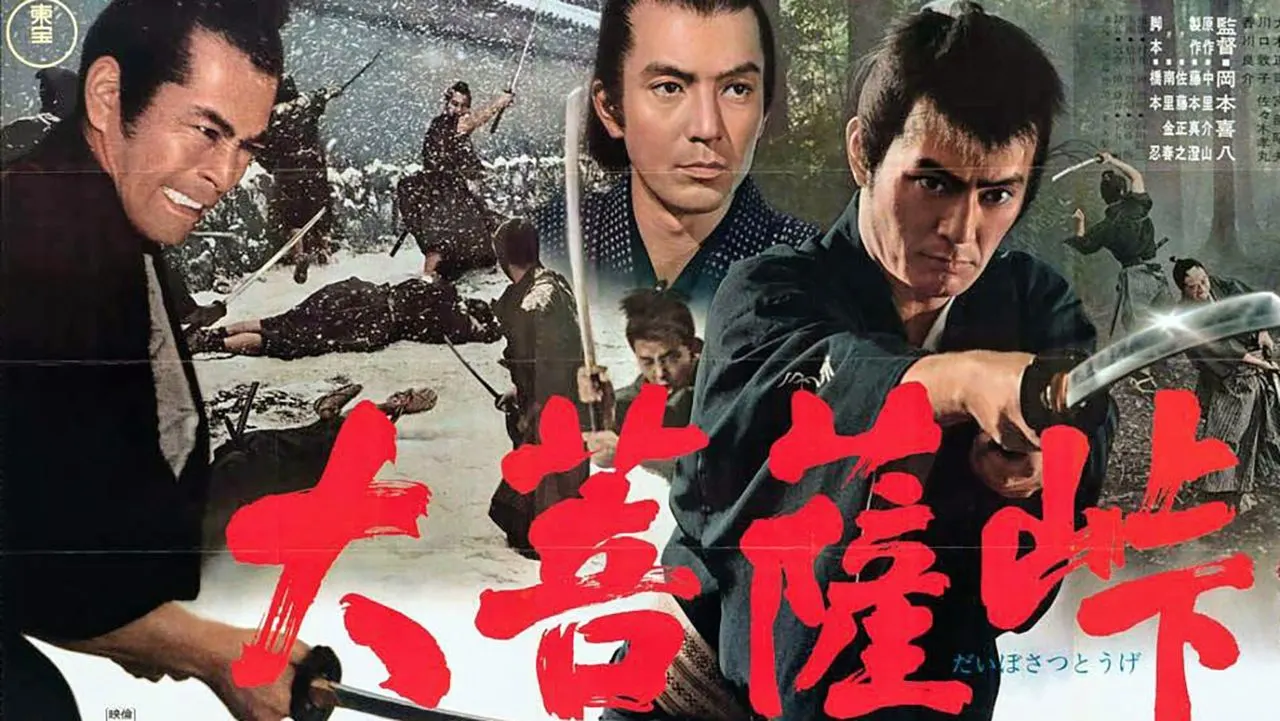
PC Gamer recommends five samurai-film entries as preparation for Capcom’s Onimusha: Way of the Sword, due for release on 3 September. The selections are intended to familiarise players with the game’s swordplay, historical inspirations and mixture of samurai drama with supernatural fantasy.
– Sword of the Stranger (2007): recommended for its exceptionally fast, detailed animated sword fights and its ronin-led story.– Yojimbo: highlighted for Toshiro Mifune’s expressive performance as a calculating ronin, whose mannerisms reportedly inform the new game’s portrayal of Miyamoto Musashi.– The Sword of Doom (1966): offers a dark, nihilistic counterpoint through its violent protagonist, with parallels to Onimusha’s depiction of Sasaki Ganryu.– Ninja Scroll: chosen for its graphic fantasy action and increasingly unusual villains, resembling videogame boss encounters; a 4K restoration arrives in cinemas in October.– Samurai trilogy — Musashi Miyamoto, Duel at Ichijoji Temple and Duel at Ganryu Island: follows Mifune’s Musashi and his rivalry with Ganryu, providing the clearest historical context for the game’s central characters.
In short
- Five films explore Onimusha’s swordplay, characters and fantasy influences.
- Toshiro Mifune’s Musashi is central to the recommendations.
- Ninja Scroll best reflects the series’ supernatural excesses.
Explained simply
Onimusha: Way of the Sword is an upcoming action game from Japanese developer Capcom, set in a supernatural version of Japan’s past. It draws on samurai stories and historical figures, including the swordsman Miyamoto Musashi and his rival Sasaki Ganryu.
Samurai films often follow wandering warriors, known as ronin, and explore rivalries, violence and life in a changing Japan. The films suggested for the game range from grounded dramas starring Toshiro Mifune to animated fantasy, offering different examples of the sword fights, characters and supernatural threats that shape samurai stories.
Art Culture Entertainment Film Research Science