Now PM Andy Burnham’s not so keen to lose the Elgin Marbles – saying the British Museum should choose their fate
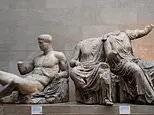
Prime Minister Andy Burnham has softened his previous support for returning the Elgin Marbles to Greece, saying their future is ultimately for the British Museum to decide. The shift matters because he had previously backed their transfer without conditions, but now appears reluctant to make the issue a government priority.
Burnham supported a failed 2002 bill to transfer the Parthenon sculptures and, more recently, argued that sending them back could improve Britain’s international standing. The British Museum said talks with Greece on a long-term “Parthenon Partnership” continue, aiming to share objects internationally while preserving the collection’s integrity.
- Burnham now says the British Museum should decide the Marbles’ future.
- He previously supported returning them to Greece without conditions.
- Museum talks with Greece on a partnership are ongoing.
New here? Start with this
The Elgin Marbles, also known as the Parthenon sculptures, are ancient carvings from the Parthenon temple in Athens. They were removed from Greece in the early 19th century by agents of Lord Elgin and were later bought by the British Museum, where many remain on display.
Greece has long called for the sculptures to be returned so they can be shown together with those already in Athens. The British Museum says it must protect its collection under the law, but has discussed possible arrangements with Greece that could allow objects to be shared without permanently giving them up.
Both sides, in good faith
The strongest fair case each way — we don't pick a winner.
The case for
Supporters of returning the sculptures argue that reuniting them in Athens would acknowledge Greece’s cultural connection to the Parthenon and allow a major surviving ensemble to be understood in its original historical context. They contend that a negotiated transfer or partnership could strengthen relations with Greece and demonstrate that Britain takes cultural restitution seriously, without diminishing the British Museum’s wider international role.
The case against
Supporters of leaving the decision to the British Museum argue that trustees should manage the collection independently, rather than ministers determining the fate of particular objects in response to diplomatic pressure. They maintain that the museum has preserved and made the sculptures accessible to a global public for generations, and that a long-term partnership or loan arrangement may promote international sharing while respecting legal duties and the integrity of the collection.