LISTEN: Holywater Tech Chief Bogdan Nesvit on the Explosive Growth of Microdramas: ‘Studios and Creators are Knocking on Our Doors’
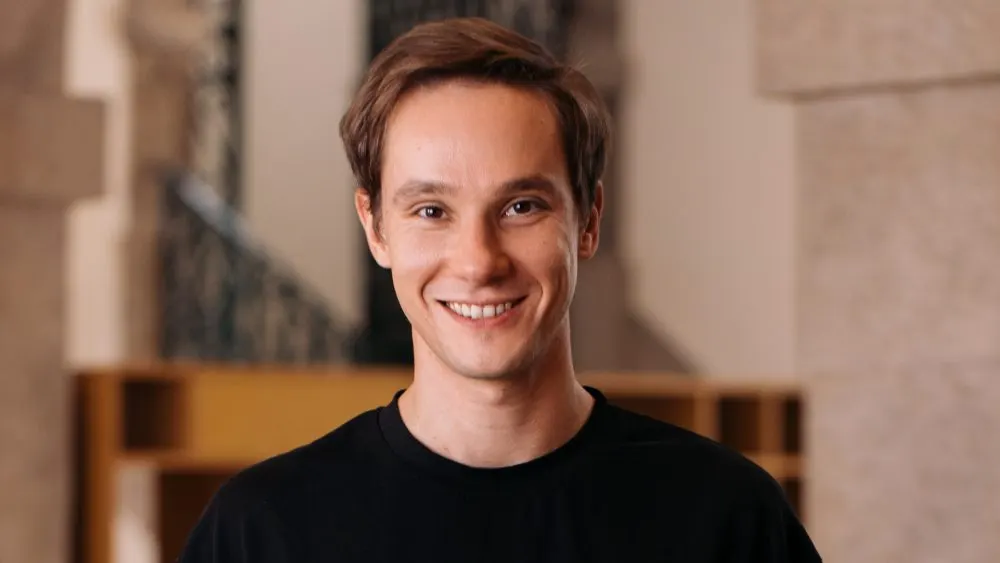
Holywater Tech’s co-chief executive, Bogdan Nesvit, says demand for microdramas and other vertical-video entertainment has grown rapidly, with studios and creators now actively approaching the company. He argues the format is becoming a mainstream entertainment business rather than a short-lived trend, potentially opening new ways for established Hollywood intellectual property to reach mobile-first audiences.
Holywater’s My Drama and My Muse apps have expanded in the US and Europe, and the company agreed last year with Fox to produce up to 200 vertical series from Fox-owned IP. Nesvit says romance remains the main revenue source, but Holywater is testing fantasy, crime and sports to broaden its audience; a vertical adaptation linked to Fox’s “Farmer Wants a Wife” reportedly delivered strong results. He also acknowledges concerns that low-cost production could encourage poor-quality generative AI content, saying the company is investing in research and development rather than relying almost entirely on romance serials.
- Holywater says microdrama demand is now attracting studios and creators.
- Fox deal could produce up to 200 vertical series.
- The company is expanding beyond romance despite AI-quality concerns.
New here? Start with this
Microdramas are short, scripted series made for watching on a phone, usually in a vertical format and broken into episodes lasting only a few minutes. They often use cliff-hangers to encourage viewers to keep watching, and are commonly distributed through dedicated apps rather than traditional television channels.
Holywater Tech is a technology and entertainment company behind the My Drama and My Muse apps, which offer this type of mobile-first programming. Its agreement with Fox, a major US media company, shows how established studios are exploring ways to adapt existing programmes and characters for smaller screens and shorter episodes.
The format has grown first through romance stories, but companies are also testing genres such as crime, fantasy and sport. Its supporters see it as a way to reach audiences who spend much of their viewing time on smartphones, while questions remain about whether rapid, low-cost production can maintain quality as the market expands.
Both sides, in good faith
The strongest fair case each way — we don't pick a winner.
The case for
Supporters argue that microdramas meet audiences where they increasingly spend time: on mobile phones, in short intervals and in a format designed for vertical viewing. Rapid app growth, interest from studios and the Fox agreement suggest the model can give established intellectual property a commercially viable new route to younger, mobile-first viewers, while lower production costs make it easier to test genres and new creative talent. They see this as an expansion of entertainment choice rather than a replacement for conventional television or film.
The case against
Sceptics argue that early commercial momentum does not establish a durable mainstream business, particularly when revenue is still heavily concentrated in romance and tied to app-based monetisation. The pressure to produce large volumes cheaply could favour repetitive storytelling, aggressive payment models and low-quality generative-AI material over distinctive work, potentially weakening trust and audience interest. They contend that studios should demand evidence of sustained retention, broad genre appeal and creative standards before treating vertical serials as a major long-term outlet for valuable intellectual property.