Trump’s tougher round-two birthright citizenship strategy hinges on key legal distinction, experts say
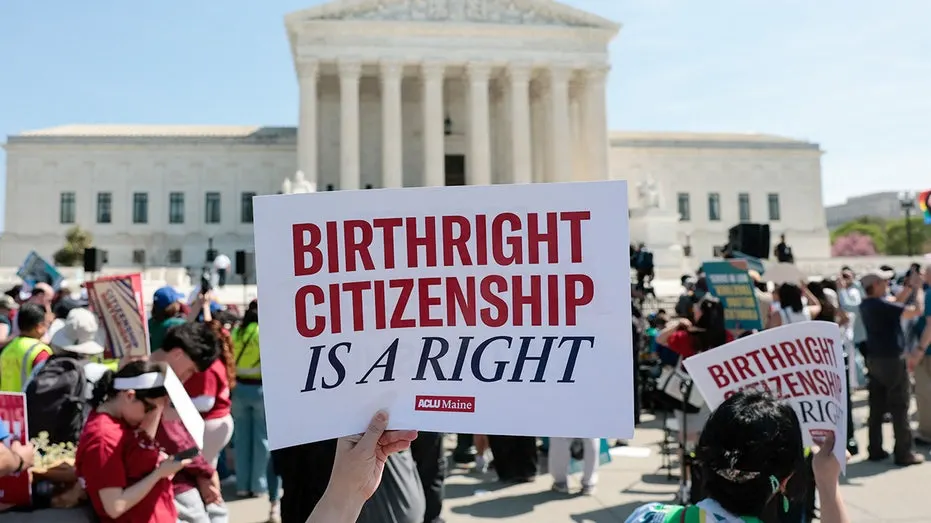
President Trump has issued two narrower executive orders seeking to limit recognition of birthright citizenship and discourage birth tourism, following a Supreme Court setback to his broader proposal. Supporters argue the revised approach relies on historic exceptions for children of diplomats and enemy forces, while critics say it tests whether a president can redefine who is subject to US jurisdiction without Congress.
One order, signed on 6 August, directs agencies to withhold citizenship documents from certain US-born children when neither parent is a citizen, including cases involving designated foreign terrorist organisations, foreign-government employees, or alleged fraud intended to secure birthright citizenship. Conservative legal figures cited the 1898 Wong Kim Ark ruling, which recognised limited exceptions involving diplomats and hostile occupying forces; Cato Institute analyst David Bier said terrorists do not clearly fit those exceptions and called the executive-power claim unprecedented.
- Trump’s revised orders target narrow exceptions to birthright citizenship.
- Supporters cite historic exceptions for diplomats and enemy forces.
- Critics question the president’s authority without Congress.
New here? Start with this
The United States has long followed the principle that most people born on its soil are citizens from birth. This is rooted in the Fourteenth Amendment to the US Constitution, adopted after the Civil War, and has been upheld in important court decisions.
The rule has limited, widely accepted exceptions. Children born to foreign diplomats are generally not citizens because diplomats are not fully subject to US law, and legal arguments have also referred to forces occupying US territory during wartime.
“Birth tourism” describes travel to the United States to give birth so that a child may receive US citizenship. The central legal question is whether a president can extend the existing exceptions to other groups through executive orders, or whether such a change would require Congress or the courts.
Both sides, in good faith
The strongest fair case each way — we don't pick a winner.
The case for
Supporters argue that birthright citizenship has always been tied to being genuinely subject to US jurisdiction, not merely to physical presence at birth. They contend that the established exceptions for diplomats and hostile forces reflect a wider constitutional principle: people acting under a foreign sovereign’s authority, or exploiting immigration fraud or terrorism-linked activity, should not be able to create an automatic citizenship claim for a child. On this view, the narrower orders responsibly test that principle while addressing birth tourism and national-security concerns.
The case against
Critics argue that the Fourteenth Amendment and longstanding case law establish a broad rule of citizenship for nearly all children born in the United States, with narrow, historically specific exceptions that cannot simply be expanded by presidential order. They contend that foreign-government employment, alleged fraud, or links to designated terrorist groups do not automatically place parents outside US jurisdiction in the way accredited diplomats or an occupying army might be. On this view, changing such a fundamental citizenship rule requires Congress or a constitutional amendment, alongside fair individual procedures rather than agency determinations.