Byron Donalds shuts down Bill Maher’s claim on GOP primary racism, says ‘Florida is a meritocracy’
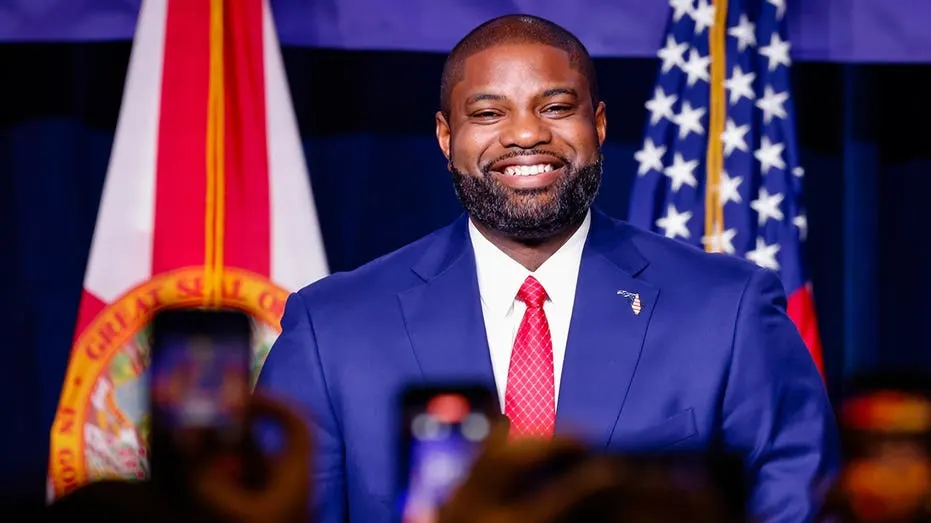
Republican Florida gubernatorial nominee Byron Donalds rejected Bill Maher’s suggestion that racism contributed to his weaker results in several largely White Panhandle counties during the GOP primary. Donalds said the outcome reflected a crowded contest and argued that Florida voters choose candidates on merit, while Maher maintained that racial prejudice may still affect some voters.
Donalds said he won 48% of the statewide vote, or about 800,000 votes, in an 11-candidate primary. Former state senator Dave Aronberg said Donalds’ result raised questions given his fundraising and name-recognition advantage, arguing that race could have played a quiet role in some rural areas; he also warned that the general election may be more competitive than party-registration advantages suggest.
- Donalds disputes Maher’s racism claim over Panhandle primary results.
- He cites 48% and 800,000 votes in an 11-candidate contest.
- A former senator says racial bias cannot be dismissed.
Both sides, in good faith
The strongest fair case each way — we don't pick a winner.
The case for
Donalds’ strongest case is that a crowded 11-candidate primary can produce uneven regional results for reasons unrelated to race, and his statewide win of 48 per cent—about 800,000 votes—shows broad support. Treating weaker results in particular counties as evidence of prejudice risks overlooking local preferences and the difficulty of drawing conclusions from voting patterns alone.
The case against
Maher’s strongest case is that racial prejudice can influence some voters even when they do not acknowledge it, so a candidate’s weaker results in largely White rural areas may warrant scrutiny. Aronberg’s point that Donalds had fundraising and name-recognition advantages makes those results a reasonable question to examine, though they do not by themselves establish that race was decisive.