Cleverly finally turns battle for London into serious contest again – and why it’s good news for Badenoch
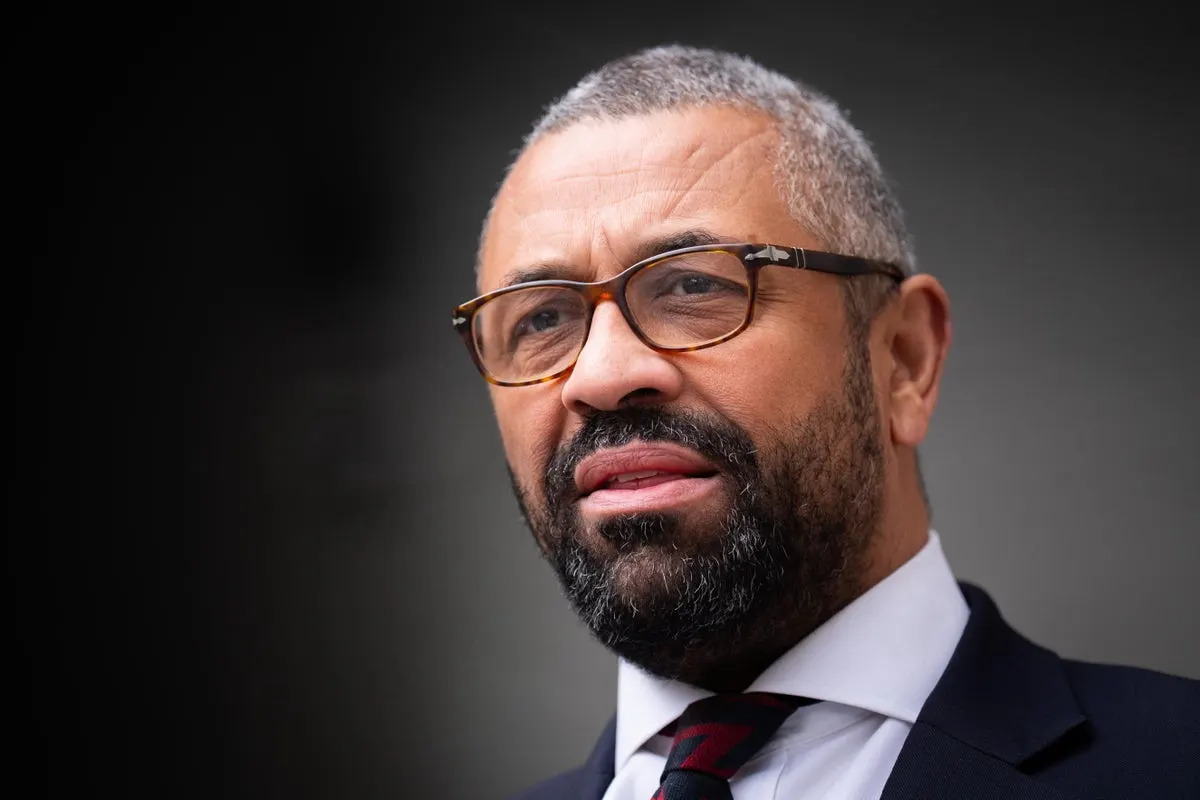
Sir James Cleverly has announced he will leave the shadow cabinet to seek the Conservative nomination for London mayor in 2028, a move the article argues could make the contest against Labour far more competitive. His candidacy matters because London, while generally Labour-leaning, is a major political test ahead of the next general election and could indicate whether the Conservatives have recovered support.
The article highlights Cleverly’s senior ministerial experience, previous role as deputy mayor and public profile, contrasting him with recent Conservative mayoral candidates. It notes that Susan Hall won 32 per cent in 2024 despite limited party backing, while the 2028 race may also reflect Labour’s record in government, Kemi Badenoch’s leadership and the continuing strength of Reform UK.
- Cleverly’s mayoral bid could sharpen the 2028 London contest.
- London may test Conservative recovery before a general election.
- The race could also reveal Reform UK’s enduring influence.
New here? Start with this
London’s mayor is elected by the city’s voters and leads the Greater London Authority, which oversees areas such as transport, policing and housing. Labour has usually been stronger in London than the Conservatives, so the mayoral race is a prominent test of the parties’ support in the capital.
The Conservatives choose a candidate to run for mayor, while Labour’s record in government and the standing of its own candidate will help shape the contest. Kemi Badenoch leads the Conservatives, and Reform UK is another party competing for voters who might otherwise support the Conservatives.
Both sides, in good faith
The strongest fair case each way — we don't pick a winner.
The case for
A senior, well-known Conservative candidate with ministerial and City Hall experience could give London voters a more credible alternative and force a substantive debate on issues such as housing, policing, transport and the capital’s economic competitiveness. Supporters would argue that a competitive mayoral race is healthy democratically, while a strong showing could demonstrate that the Conservatives are rebuilding a broader urban appeal and give Badenoch useful evidence of progress before a general election.
The case against
Critics would argue that a high-profile candidacy alone cannot overcome London’s sustained preference for Labour, nor resolve the Conservatives’ wider difficulties with many metropolitan voters. They may also question whether leaving the shadow cabinet weakens the party’s national scrutiny of government, and contend that treating the mayoral contest chiefly as a test of Badenoch or Labour risks reducing Londoners’ local priorities to a national political proxy.
Americas Business Elections Geopolitics Markets Politics World