World news and discussion on TalkFuse.
Carnage is a terrifying symptom of lawless Britain, warns BEN HOUCHEN, mayor of Tees Valley
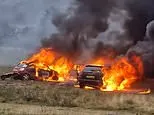
Disorder that erupted in Middlesbrough over the previous weekend continued into Thursday night, when three cars were set alight in a field during what began as a gathering to mourn 23-year-old Michael Cahill, one of five people killed after their car travelled the wrong way down the A66. Writing in the Daily Mail, Tees Valley mayor Ben Houchen argues the incident reflects a wider breakdown in law and order across parts of Britain, driven by drug crime and a loss of respect for authority, rather than being representative of most Middlesbrough residents, whom he describes as decent and hard-working.
Houchen says the unrest began as a vigil but descended into an impromptu "banger race" that alarmed nearby residents, with similar car-burning incidents also reported in County Durham. He rejects explanations rooted in deprivation or circumstance, insisting those involved are criminals seeking money and status through drugs and intimidation, and stresses that the true victims of the A66 crash were the two police officers, PC Matthew Blades and PC Tom Clough, who died responding to it. He calls on the Home Office to fund and sustain a stronger police presence, give Cleveland Police fairer funding, and ensure courts hand down tougher sentences rather than repeated leniency.
In short
- Cars set alight in Middlesbrough amid unrest after fatal A66 crash
- Mayor Ben Houchen blames drug crime and eroded respect for authority
- He urges more police funding, sustained officer presence and tougher courts
Steelman: both sides, in good faith
The strongest fair case each way — we don't pick a winner.
The case for
Advocates for a tougher law-and-order response argue that repeated public disorder, arson and violence cannot be excused by poverty or circumstance, and that treating such incidents as symptoms of deprivation risks letting perpetrators evade responsibility for choices rooted in criminality and drug markets. They hold that communities deserve visible, well-resourced policing and consistent, meaningful sentencing, and that fair funding for forces like Cleveland Police is a matter of basic public safety rather than politics. On this view, honouring the memory of those who died, including the two police officers who lost their lives responding to the crash, requires firm action rather than tolerance of behaviour that endangers residents and undermines trust in the rule of law.
The case against
Others argue that framing such unrest primarily as criminality driven by drugs and disrespect for authority risks overlooking the deeper social and economic pressures, such as deprivation, limited opportunity and strained community relations with police, that can fuel disorder, particularly among young people in areas already grappling with poverty. They contend that calls for tougher sentencing and heavier policing alone can deepen distrust and alienation without addressing root causes, and that lasting safety depends on investment in youth services, addiction support and community engagement alongside enforcement. On this view, characterising a grieving community's tragedy-triggered unrest solely through a law-and-order lens may unfairly tar law-abiding residents and miss opportunities for more constructive, long-term solutions.
Explained simply
Disorder in Middlesbrough began as a vigil for 23-year-old Michael Cahill, one of five people who died when a car travelled the wrong way down the A66. Over the following days, what started as a gathering to mourn him escalated into scenes of unrest, including cars being set alight, with similar incidents also reported nearby in County Durham.
Ben Houchen is the elected mayor of Tees Valley, a role covering areas including Middlesbrough, Stockton and Darlington, with responsibilities that include policing oversight in the region. Writing in the Daily Mail, he has framed the unrest as evidence of a broader breakdown in law and order linked to drug crime, rather than as typical of the local community. He has also drawn attention to PC Matthew Blades and PC Tom Clough, two police officers who died responding to the original A66 crash.
The story matters because it touches on several live debates in England: how communities and authorities respond to public disorder, how policing is funded and resourced (including calls for changes to how Cleveland Police is financed), and how courts sentence those involved in such incidents. It also reflects wider, often contested arguments about the underlying causes of crime and unrest, including the roles of deprivation, drugs and policing capacity.