WhatsApp group moved millions for crime and extremist networks
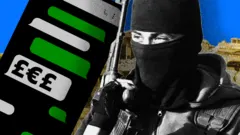
A WhatsApp group chat with 532 members was used to move hundreds of millions of euros in cash worldwide with no paper trail, funding organised crime and extremism, according to an investigation by the European Broadcasting Union (EBU), whose members include the BBC. The chat, called "Traders of Greater Europe", arranged cross-border cash transfers using the ancient hawala system, including payments from Brussels that reached Islamic State group militants in Syria, as well as transfers to British cities such as Birmingham and London. The case matters because it exposes a vast, largely invisible financial network operating entirely outside conventional banking oversight, one investigators say was far more extensive than initially suspected.
The chat contained over 82,000 messages sent between February and December 2022 and was uncovered by Belgian investigating magistrate Vincent Guerra after police arrested Abu Adam, head of a Brussels-based network, whose phone held the group chat along with 6,000 photos of €5 notes and 6,000 photos of identity cards, evidence suggesting he alone processed at least 12,000 transactions. The group was reserved for transfers over €5,000, with hawaladar brokers settling accounts between themselves rather than moving physical cash or leaving an electronic trail. The investigation began as a terror-financing probe, which led to a 2024 Belgian court case convicting six money launderers, but Guerra said it revealed a far larger, professional underground banking system also linked to people smuggling and drug trafficking; hawala itself is legal in the UK if brokers are registered with HMRC, though illegal in most of the EU.
- WhatsApp group moved hundreds of millions in untraceable hawala cash transfers
- Funds reportedly reached IS militants in Syria via Brussels network
- Belgian magistrate calls network a "professional" shadow banking system
New here? Start with this
Chat groups and cash-transfer networks like this one usually rely on a system called hawala, a centuries-old, informal way of moving money across borders without banks or paperwork. Instead of transferring cash directly, brokers known as hawaladars take payment in one country and arrange for an associate elsewhere to pay out an equivalent sum, later settling debts between themselves. The system is legal and widely used, including by migrant workers sending money home, but its lack of records makes it attractive to criminals and, in some cases, to groups funding extremism.
The investigation into this particular network began in Belgium, where a magistrate examining terror financing found evidence linking cash transfers to Islamic State fighters in Syria. That inquiry expanded once investigators discovered a single mobile phone containing thousands of messages and images pointing to a much larger underground financial operation, with links stretching into organised crime, people smuggling and drug trafficking across Europe, including cities in the UK.
The story matters because it shows how huge sums of money can move around the world completely outside the banking system that regulators normally monitor. It raises questions about how well authorities can track funds tied to serious crime and militant groups when transactions leave no conventional financial trail.
Read the full article at the source →
Originally published by BBC World as “WhatsApp chat used to send cash for crime and extremism”.