Trump’s ‘economic D-day’ against Iran risks driving the stakes even higher | Sina Toossi
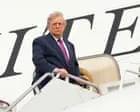
The US Treasury secretary, Scott Bessent, has launched "Operation Economic Outcast", a fresh sanctions drive aimed at fully cutting Iran off from the global economy after months of war failed to secure its capitulation. Writing in the Guardian, Sina Toossi argues the plan repeats a familiar US error of treating pressure as a substitute for strategy, since Iran, though economically battered, is more likely to dig in than surrender, as relinquishing leverage would leave it exposed to further US demands.
Iran's economy has already been weakened by years of sanctions, war and a prolonged US naval blockade, with oil exports and foreign currency access severely constrained and ordinary Iranians facing high inflation and falling living standards. Iranian officials, including Mohsen Rezaei, head of the supreme national security council, have branded participation in the new campaign an "act of war" and threatened retaliation against neighbouring states that comply, even hinting Iran could disrupt Gulf oil routes bypassing the Strait of Hormuz. The strategy's success also hinges on persuading China, Iran's main oil buyer, to comply, but Beijing has ordered firms not to observe the US sanctions and warned it will take "all necessary measures" to protect its interests, leaving Washington facing a wider, harder-to-manage confrontation.
- US unveils "Operation Economic Outcast" to isolate Iran economically
- Iran vows defiance, warns of retaliation and Gulf export disruption
- China rejects compliance, complicating Washington's sanctions strategy
New here? Start with this
Iran has been under heavy US sanctions and, until recently, direct military conflict for months, leaving its economy severely weakened, with oil exports and access to foreign currency badly constrained and ordinary people facing high inflation. The Trump administration, led on this front by Treasury Secretary Scott Bessent, has now launched a new sanctions campaign intended to isolate Iran fully from the global economy, after earlier military pressure failed to force it to back down.
Iran's leadership has responded defiantly, with senior officials, including Mohsen Rezaei of the supreme national security council, describing compliance with the new sanctions by other countries as an "act of war" and warning of possible retaliation, including against shipping routes in the Gulf. A key factor in whether the sanctions succeed is China, which buys most of Iran's oil and has told its companies to ignore the US measures, setting up a potential clash between Washington and Beijing.
This matters because it raises the risk of a wider confrontation involving not just the US and Iran but also China and Gulf states, with potential knock-on effects for global oil markets and regional stability. It also revives a long-running debate about whether economic pressure alone can change Iran's behaviour, or whether it instead pushes Tehran to hold firm.
Both sides, in good faith
The strongest fair case each way — we don't pick a winner.
The case for
Advocates of the sanctions campaign argue that after years of Iran using proceeds from oil sales and sanctions evasion to fund regional militias, advance its nuclear programme and destabilise neighbours, a maximalist economic squeeze is a proportionate and comparatively low-cost tool to force genuine strategic concessions. They contend that half-measures have previously allowed Tehran to absorb pressure and continue troubling behaviour, so only a comprehensive cutoff, including pressure on China as the principal buyer of Iranian oil, can create enough leverage to compel meaningful change without resorting to further military action. From this perspective, the policy reflects a serious, coordinated attempt to protect regional stability and non-proliferation goals by denying the Iranian state the resources it needs to project power abroad.
The case against
Critics argue that intensifying sanctions after a costly war has already failed to produce capitulation risks entrenching Iranian defiance rather than ending it, since a regime facing existential pressure is likely to hold firmer rather than surrender its remaining leverage. They point out that ordinary Iranians already suffering from inflation and economic hardship will bear the brunt of further isolation, while the strategy's reliance on securing compliance from China and regional states makes it fragile and could provoke a wider, harder-to-control confrontation, including threats to shipping routes near the Gulf. For these observers, the approach exemplifies a longstanding pattern of mistaking economic coercion for a coherent diplomatic strategy, raising the danger of escalation without a realistic off-ramp.