Girl Scouts defend Muslim faith badges amid criticism
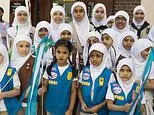
The Girl Scouts of the USA has pushed back against criticism from right-wing commentator Natalie Winters, who accused the organisation of promoting Islamic content through badges awarded via its affiliated group, Girl Scouts of the Islamic Faith. Winters highlighted badges recognising activities such as sharing Ramadan with a friend and completing the Hajj pilgrimage, questioning how far "Islamic programming" had spread within the organisation. The row matters because it feeds into a wider culture-war debate in the US over religion, secularism and youth institutions, with the Girl Scouts insisting it remains a secular body that welcomes members of all faiths.
The GSUSA said the badges were created and administered by independent faith organisations, including the National Islamic Committee on Girl Scouting, rather than by the Girl Scouts itself, and dismissed Winters' claims as "misinformation". It noted similar faith-based badge programmes exist for numerous religions, including Roman Catholic, Jewish, Lutheran, Mormon, Presbyterian, Hindu and Buddhist groups, all approved for wear on the official uniform. Winters rejected the response as a "word game", insisting her reporting was factually accurate, while the Girl Scouts maintained it does not itself teach religion and is "proud of every girl" in its ranks.
- Girl Scouts defends Islamic-themed badges after commentator Natalie Winters' criticism
- Organisation says badges are made by independent faith groups, not GSUSA itself
- Similar faith badges exist across many religions, including Christianity and Judaism
New here? Start with this
Girl Scouts of the USA is a long-running youth organisation, and like many similar groups it lets outside religious bodies design badges that members can earn to mark faith-related milestones. These faith badges are not written by the Girl Scouts itself but by separate religious committees, and they exist for a wide range of denominations, not just Islam, covering things like Catholic sacraments or Jewish holidays.
The current dispute began when Natalie Winters, a commentator known for right-leaning political coverage, drew attention to Islamic faith badges linked to practices such as Ramadan and the Hajj pilgrimage, questioning their presence within the organisation. The Girl Scouts responded by explaining how these badges are produced and by stressing that it does not teach religion itself, framing the criticism as inaccurate.
The disagreement sits within a broader and long-running American debate about the place of religion in youth organisations and public life more generally, where such groups are often expected to remain neutral between faiths. It matters because it touches on questions of religious inclusion, secularism and how far commentary and social media pressure can shape the policies of large membership organisations.
Both sides, in good faith
The strongest fair case each way — we don't pick a winner.
The case for
The Girl Scouts can reasonably argue that faith-based badges let members explore their own traditions through independent religious groups, while the organisation remains secular and open to girls of all faiths. Since comparable programmes exist for many religions, the Islamic badges appear consistent with an inclusive approach rather than evidence that GSUSA itself teaches Islam.
The case against
Critics can reasonably argue that approving religious badges for wear on the official uniform gives them an association with the national organisation, even if outside groups create and administer them. They may see the distinction between approval and direct instruction as incomplete, and question whether the arrangement fits a secular youth organisation’s public role.
Read the full article at the source →
Originally published by Daily Mail as “Girl Scouts of the USA responds to backlash over Islamic badges: ‘We welcome girls of every faith’”.