Entertainment news and discussion on TalkFuse.
Maybe It’s a Good Thing AAA Games Take 13 Years to Make
A Polygon newsletter column argues that the lengthy development cycles behind major AAA games, such as the 13 years between Grand Theft Auto 5 and Grand Theft Auto 6, are not purely a drawback. Instead, the piece suggests such delays allow studios to properly maintain and expand existing titles rather than rushing straight to sequels, pointing to Gamescom's Opening Night Live showcase as evidence that older games are still being meaningfully supported. This matters because it reframes a common industry criticism, long waits between blockbuster releases, as something that can benefit players through sustained investment in beloved games.
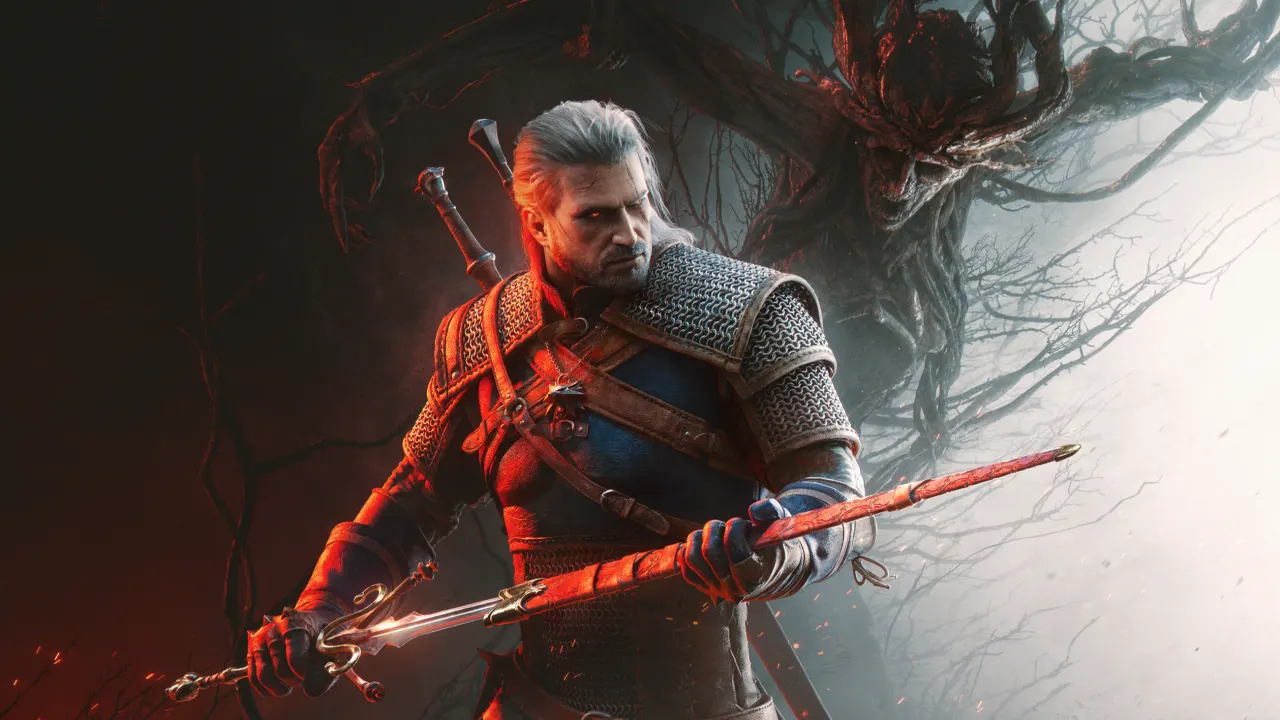
The column notes that GTA 6's extended trailer, released via Netflix, overshadowed Geoff Keighley's two-and-a-half-hour Gamescom showcase, while Chinese and Korean developers, including HoYoverse with NodusFall and the game Ananta, made a strong impression with big-budget reveals. It also highlights that CD Projekt Red closed its showcase with a free second remaster and a new expansion for the 11-year-old The Witcher 3, framing this ongoing support, alongside GTA 5's success across three console generations and GTA Online's longevity, as proof that patience and long-term care can benefit both games and players.
In short
- AAA games' long development times let studios support existing titles well.
- GTA 6's Netflix trailer overshadowed Gamescom's Opening Night Live showcase.
- The Witcher 3 gets a free remaster and new expansion after 11 years.
Steelman: both sides, in good faith
The strongest fair case each way — we don't pick a winner.
The case for
Long development cycles can give studios room to polish ambitious games and keep successful older titles fresh, rather than abandoning them as soon as a sequel is ready. GTA 5’s continued life across console generations and The Witcher 3’s new content suggest that sustained support can offer players more value and help beloved games endure.
The case against
Long waits can leave players without new entries for years and risk slowing creative momentum, especially when blockbuster development absorbs large teams and budgets. Ongoing updates to older games may be welcome, but they do not replace the variety and fresh ideas that timely new releases can bring.
Explained simply
AAA games are big-budget titles made by large development teams, and they can take many years to produce. Grand Theft Auto 5 came out in 2013, while its successor, Grand Theft Auto 6, is still in development. In the meantime, GTA 5 has been released on several generations of consoles, and its online mode has continued to receive support.
Game studios can also update older titles with new content or revised editions after release. The Witcher 3, for example, came out in 2015, and its developer, CD Projekt Red, has continued to add to and revisit the game. These long-running releases matter because they show how a studio’s time and resources may go towards maintaining existing games as well as making new ones.
Players and publishers may therefore see long gaps between major releases differently: a wait can be frustrating, while ongoing updates can keep a game active for years. The balance depends on what studios choose to support and how players respond.