Hasan Piker insists Abdul El-Sayed asked him to ‘stump’ for Michigan campaign amid backlash
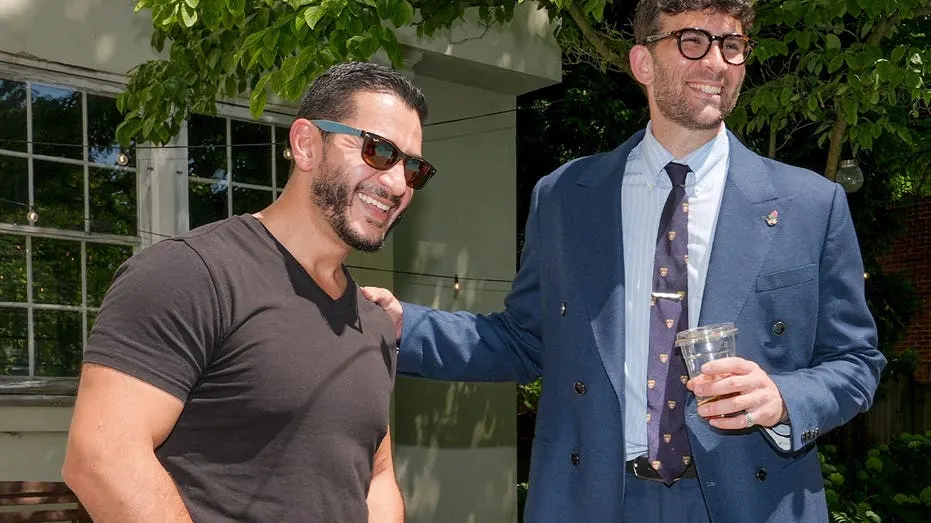
Twitch streamer Hasan Piker has said Michigan Democratic Senate candidate Abdul El-Sayed personally asked him to campaign on his behalf, contradicting suggestions that Piker had inserted himself into the race. The claim comes as El-Sayed faces sustained criticism from establishment Democrats and groups such as Third Way over his association with Piker, who has a history of controversial remarks, including that America "deserved" 9/11 and that Jewish Americans were "making antisemitism worse" by backing Israel. El-Sayed has since sought to downplay the connection, repeatedly dismissing questions about Piker as irrelevant to his campaign.
Speaking to Semafor's David Weigel, Piker said he had not previously considered "stumping" for a candidate and was surprised by the scale of the backlash, noting he had faced far less criticism for supporting New York Mayor Zohran Mamdani's campaign. He contrasted the reaction with earlier, less publicised activities such as fundraising and joint appearances with El-Sayed. At Saturday's Michigan Democratic Party Nominating Convention, El-Sayed told reporters he did not want to discuss "a social media person in California," and separately apologised to Fox News Digital for past comments made after an attack on a Michigan synagogue in March, saying his remarks were not intended to minimise the harm caused.
- Piker says El-Sayed asked him to campaign, not the reverse
- El-Sayed faces backlash from establishment Democrats over Piker ties
- El-Sayed also apologised for past comments on a synagogue attack
New here? Start with this
Michigan’s Democratic voters will choose a candidate to run for the US Senate, which represents the state in Congress. Abdul El-Sayed is seeking the party’s nomination; Twitch streamer Hasan Piker is an online political commentator who has appeared with him and supported his campaign.
Piker has made remarks about 9/11 and Israel that have drawn criticism, including from Democratic groups and party figures. El-Sayed’s association with him has therefore become a point of dispute within the party, alongside questions about how candidates engage with prominent online supporters.
The episode also reflects wider tensions over who speaks for the Democratic Party and how candidates handle controversial allies. For voters, the nomination contest will determine who represents the party in the Senate race.
Both sides, in good faith
The strongest fair case each way — we don't pick a winner.
The case for
Supporters of El-Sayed argue the backlash is overblown and largely driven by political opponents keen to tar a progressive candidate by association. They note Piker's endorsement is one of many he has received, that fundraising help and joint appearances are standard campaign practice, and that focusing on a commentator's past remarks rather than El-Sayed's own record and policies is a distraction tactic long used against insurgent candidates. On this view, voters should judge El-Sayed by what he says and does, not by guilt through association with a supporter he does not fully control.
The case against
Critics contend that who a candidate welcomes onto the campaign trail says something real about their judgement, particularly when that figure has made remarks many regard as trivialising the 9/11 attacks or minimising antisemitism. They argue El-Sayed's shifting response, first downplaying the relationship, then facing scrutiny over past comments of his own after the Michigan synagogue attack, raises fair questions about candour and accountability rather than mere political point-scoring. For them, given the seriousness of the remarks in question, voters are entitled to expect a clear, consistent explanation rather than dismissal of the issue as irrelevant.