‘Breakthrough’ as Turkmenistan starts fixing ‘mindboggling’ methane mega-leaks
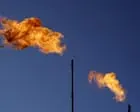
Turkmenistan has begun repairing the ageing oil and gas infrastructure responsible for some of the world's worst methane "super-emitter" leaks, in what UN officials have called a breakthrough. The secretive, authoritarian state was named by the Guardian in 2023 as the worst offender for methane mega-leaks, and the resulting scrutiny is credited with pushing its government to engage with foreign partners and start fixing corroded pipes, faulty wells and failing flares. Methane is a highly potent greenhouse gas, trapping 80 times more heat than carbon dioxide and driving roughly a quarter of current global heating, so plugging leaks quickly can have an outsized and rapid climate benefit.
The UN's Methane Alert and Response System (Mars) sent Turkmenistan 192 alerts over the past year, and the country responded to about 20% of them, going on to fix eight leaks. It still had three of the world's six worst leaks detected in the last six months and nine of the top 50, showing much work remains. By contrast, the US received 138 alerts but fixed none, while Iran, Russia and China responded to none at all; Mexico, home to the single worst leak detected (37 tonnes an hour, offshore), responded to every alert but has yet to complete a fix. Turkmenistan joined the global methane pledge in December 2023, and UN programme manager Meghan Demeter said the country's response rate is growing steadily, though the fixes so far remain small relative to the country's overall emissions.
- Turkmenistan starts fixing methane super-leaks after 2023 Guardian exposé
- Eight leaks repaired; UN calls it an "incredible first step"
- US, Russia, China and Iran ignored UN methane leak alerts entirely
New here? Start with this
Turkmenistan is a Central Asian country whose economy depends heavily on oil and gas. Much of its production relies on ageing pipes, wells and gas flares, which can leak methane when they corrode or fail.
Methane is a greenhouse gas released during the production and transport of fossil fuels. It traps much more heat than carbon dioxide over the short term, so stopping leaks can help slow global warming.
The UN’s Methane Alert and Response System uses satellite data to identify major leaks and alert governments. Turkmenistan joined an international pledge to cut methane emissions in 2023; its response is significant because the country has had some of the largest recorded leaks, though the scale of the problem remains substantial.
Both sides, in good faith
The strongest fair case each way — we don't pick a winner.
The case for
Repairing Turkmenistan’s leaks is a meaningful climate step: methane traps substantial heat, and stopping leaks can reduce warming quickly. International monitoring and scrutiny appear to have helped prompt repairs, and the country’s responses to some alerts show that engagement can produce practical progress even where the problem remains large.
The case against
Calling the effort a breakthrough may overstate what has been achieved: Turkmenistan still has several of the world’s largest detected leaks, has acted on only a fraction of alerts, and the reported repairs are small relative to its emissions. A response rate and a pledge matter less than verified, sustained reductions, while the story offers limited evidence so far that the fixes will be comprehensive or durable.
Art Business Celebrity Culture Entertainment Geopolitics Politics