Families living on unfinished housing estate after developer went bust ‘forced to raise £100,000 themselves to make their own homes safe’
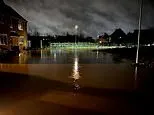
Residents of around 30 properties on the unfinished Linden Gardens estate in Oxfordshire say they face a bill of up to £100,000 to complete construction works themselves, after the site's developer collapsed and left roads, street lighting and drainage unfinished for more than five years. Locals blame Oxfordshire County Council for failing to enforce a road bond, a financial safeguard meant to protect residents from exactly this outcome if a developer walks away, and say the authority's inaction has left them feeling "deceived and isolated" while unable to sell their homes.
The estate has suffered flooding in winter, with images showing muddy water covering pavements and driveways, along with large potholes and raised manhole covers described as hazardous. TH Carterton Limited, which managed the project for Taggart Homes, closed last year, and the developer went insolvent in June 2025. Liberal Democrat MP for Witney Charlie Maynard has urged the council to fund the completion works upfront and recover costs from Taggart Homes, but the council has so far declined, and the Local Government Ombudsman has also dismissed residents' complaint.
- Oxfordshire estate left unfinished after developer's insolvency in 2025
- Residents may have to pay up to £100,000 to fix roads and drainage themselves
- Council accused of failing to enforce a protective bond; complaint dismissed
New here? Start with this
A road bond is money or a financial guarantee that a developer provides to a council to cover agreed road works if the developer fails to finish them. Councils can use it to complete works such as roads, drainage and street lighting, which may otherwise be left to residents to resolve.
The Linden Gardens estate is in Oxfordshire, and its homes were built as part of a development managed by TH Carterton for Taggart Homes. When a developer becomes insolvent, responsibility for unfinished work and the bond can become disputed, leaving residents, the council and the developer’s representatives to deal with the costs and practical problems.
Unfinished roads and drainage can affect safety, increase flood risks and make homes harder to sell. The dispute matters because it raises questions about how councils use road bonds and who should pay when a development is left incomplete.
Both sides, in good faith
The strongest fair case each way — we don't pick a winner.
The case for
Residents can argue that the road bond exists to protect communities when a developer fails, and that the council should have acted before years of unfinished roads and drainage made homes difficult to sell and potentially unsafe. Funding urgent works upfront could address hazards and flooding now, while leaving the council to pursue recovery from the developer or its estate.
The case against
The council can argue that public money should not be committed to private development works without a clear legal duty or reliable prospect of recovering the cost, especially after the developer became insolvent. It may also consider that the bond was not enforceable in the circumstances, and that the Ombudsman’s dismissal of the complaint supports its position that it was not obliged to fund the works.