Francesco Carrozzini on His Venice AI Doc ‘Be Brave’ and Why ‘The Human Has to Come First’ (EXCLUSIVE)
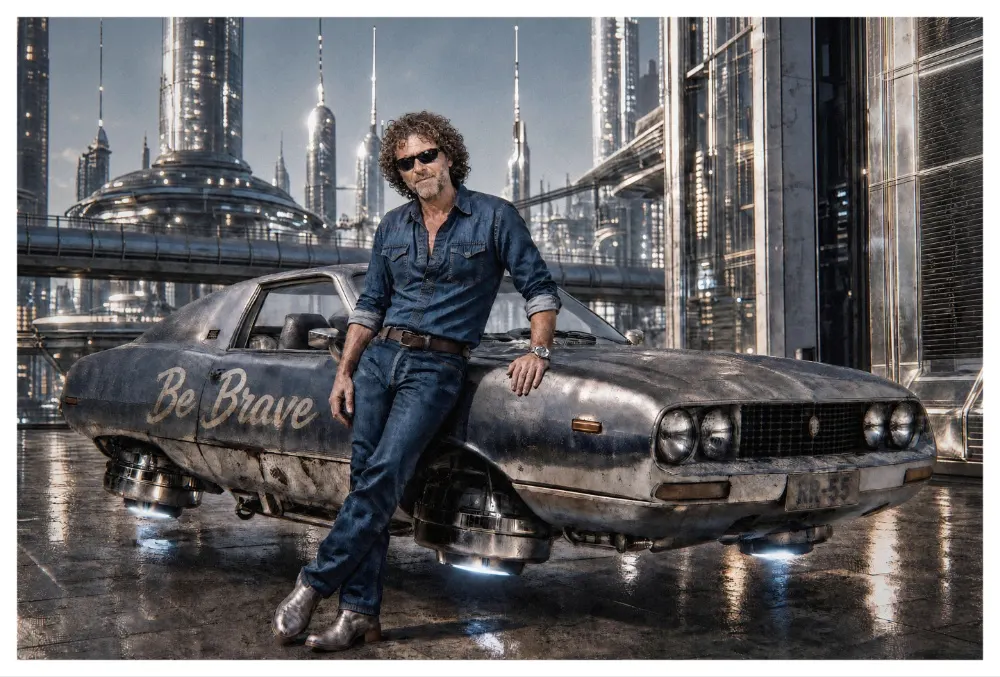
Italian director Francesco Carrozzini is bringing "Be Brave," an 85-minute AI-generated documentary about Diesel founder Renzo Rosso, to the Venice Film Festival. The film is notable for not featuring a single traditionally shot frame of its subject; instead, Carrozzini used artificial intelligence to recreate Rosso at various stages of his life, making it one of the first AI-driven features to premiere at a major film festival. Venice artistic director Alberto Barbera has framed its inclusion as an invitation for filmmakers to consider how AI can expand creative possibilities, while Carrozzini insists the project remains an exercise in "emotion and storytelling" rather than a technological showcase.
The fully scripted documentary portrays Rosso as an underdog who built a fashion empire from poverty, and was born partly from necessity, as usable archival interview footage of him was scarce. Carrozzini spent about eighteen months making the film, during which AI tools evolved so rapidly that early work had to be redone, and he expects the technology to have moved on again by the time audiences see it in cinemas. Produced by Lorenzo Mieli, Mario Gianani and Gabriele Immirzi through Rome-based Our Films (a Mediawan company), the documentary combines AI-generated sequences with real "talking head" interviews, and closes on the message that, in storytelling, "the human has to come first."
- Carrozzini's AI documentary "Be Brave" on Diesel founder Renzo Rosso premieres at Venice.
- Film uses no traditionally shot footage of Rosso, only AI recreations.
- Director says fast-moving AI tech made production a constant challenge.
New here? Start with this
Artificial intelligence can generate images from prompts and other material, allowing filmmakers to create scenes that were not traditionally filmed. Its use in documentaries raises questions about how audiences can tell the difference between recorded footage and generated images, and how those images shape a real person’s story.
Francesco Carrozzini is an Italian director, and Renzo Rosso is the founder of the fashion company Diesel. Carrozzini’s film traces Rosso’s life using AI-generated images alongside interviews with real people; the approach was partly prompted by a lack of usable archive interviews.
The Venice Film Festival is a major international film event, and its artistic director, Alberto Barbera, has described the film’s inclusion as a way to prompt discussion about AI’s creative possibilities. The project matters because it tests how a documentary can use generated images while keeping its focus on a person’s experiences and story.
Both sides, in good faith
The strongest fair case each way — we don't pick a winner.
The case for
AI can help filmmakers tell stories that scarce or incomplete archives would otherwise make difficult to realise, while opening new creative possibilities. If it is used in service of a fully scripted story, alongside real interviews and with attention to human emotion, it can be a legitimate filmmaking tool rather than a substitute for storytelling.
The case against
Recreating a real person across different stages of life with AI raises concerns about authenticity and how audiences distinguish generated images from historical evidence. Even with a scripted account and real interviews, the technique may blur that boundary and normalise synthetic portrayals of people, making careful disclosure and editorial responsibility especially important.
AI Culture Entertainment Europe Fashion Film Space Technology World