Garmin Cirqa review: A fine but utterly inessential smart band
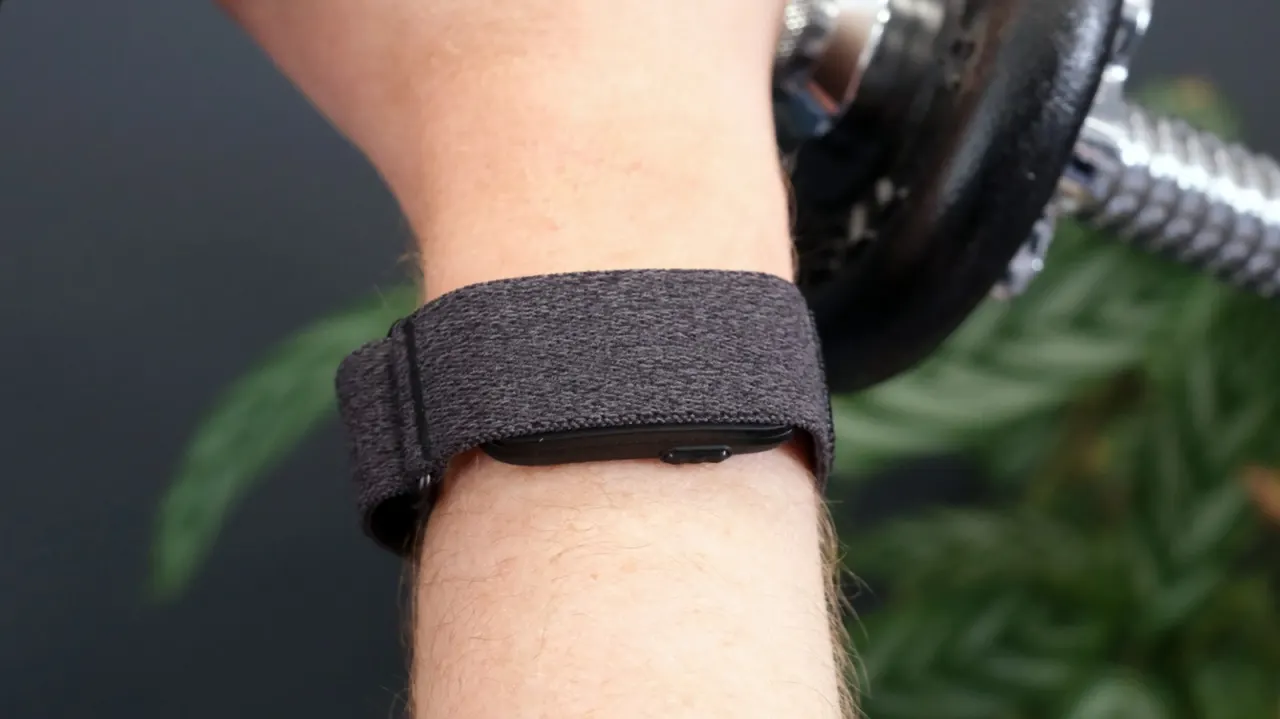
Engadget's review of the Garmin Cirqa finds it a competent but ultimately unnecessary screenless fitness band, launched to compete with the likes of Whoop as that company's valuation soared to around $10 billion. The reviewer argues the screenless wearable trend is driven more by status signalling among fitness enthusiasts than by genuine practicality, and while Garmin has replicated its usual tracking quality in the Cirqa, the device lacks the software depth and AI-driven insights needed to truly rival Whoop.
Physically, the Cirqa is a small plastic puck (roughly 2 by 1 inches) with a woven fabric strap, weighing just over an ounce, and packing a 10-day battery, an optical heart rate sensor and an accelerometer, but no GPS. It offers 24/7 heart rate, respiration, stress and activity monitoring, plus sleep, menstrual cycle and temperature tracking, all controlled via a single physical button and companion app; Garmin markets it as needing no subscription, distinguishing it from rivals like Whoop, Fitbit, Oura and Ultrahuman. The reviewer praises its automatic activity and sleep tracking but criticises the fiddly single-button control, particularly for dismissing the smart alarm, which can accidentally trigger unwanted activity recordings.
- Garmin's screenless Cirqa tracker rivals Whoop but lacks AI-driven insights.
- Compact device offers 24/7 health tracking with no subscription fee.
- Single-button control is fiddly, especially for dismissing the wake alarm.
New here? Start with this
Screenless fitness bands track health and activity data without showing it on the device; users usually check results in a companion app. Garmin is best known for fitness watches and trackers, while Whoop has built a competing service around continuous monitoring and coaching, typically sold with a subscription.
These devices can measure things such as heart rate, movement and sleep, and some also track temperature or menstrual cycles. Garmin’s band is designed to work without a subscription, while products from Whoop and other companies offer different combinations of tracking, app features and paid services.
The category appeals to people who want to monitor training and recovery without wearing a conventional watch. How useful a band is depends not only on its sensors but also on how clearly its app explains the data and helps users make sense of it.
Both sides, in good faith
The strongest fair case each way — we don't pick a winner.
The case for
A screenless band can suit people who want continuous health and activity tracking without another display demanding attention, and the Cirqa’s long battery life, automatic sleep and activity detection, and lack of a subscription make it a practical, lower-friction option. Garmin’s established tracking and familiar app may also appeal to users who value dependable basics over a more elaborate coaching system.
The case against
The Cirqa may be hard to justify when its limited controls and lack of GPS make everyday use less convenient, while its tracking and insights do not appear to offer enough depth to match more developed rivals. If the screenless format mainly appeals as a status marker and adds little practical value for many users, the device risks being an unnecessary purchase despite its competent basics.