Video games news, releases, esports and culture — all the biggest gaming stories in one place.
With GTA 6 leaker hunt ‘rapidly evolving,’ Take-Two asks court to keep latest subpoena request sealed to avoid tipping off leakers
Developed over time first seen 2 months ago
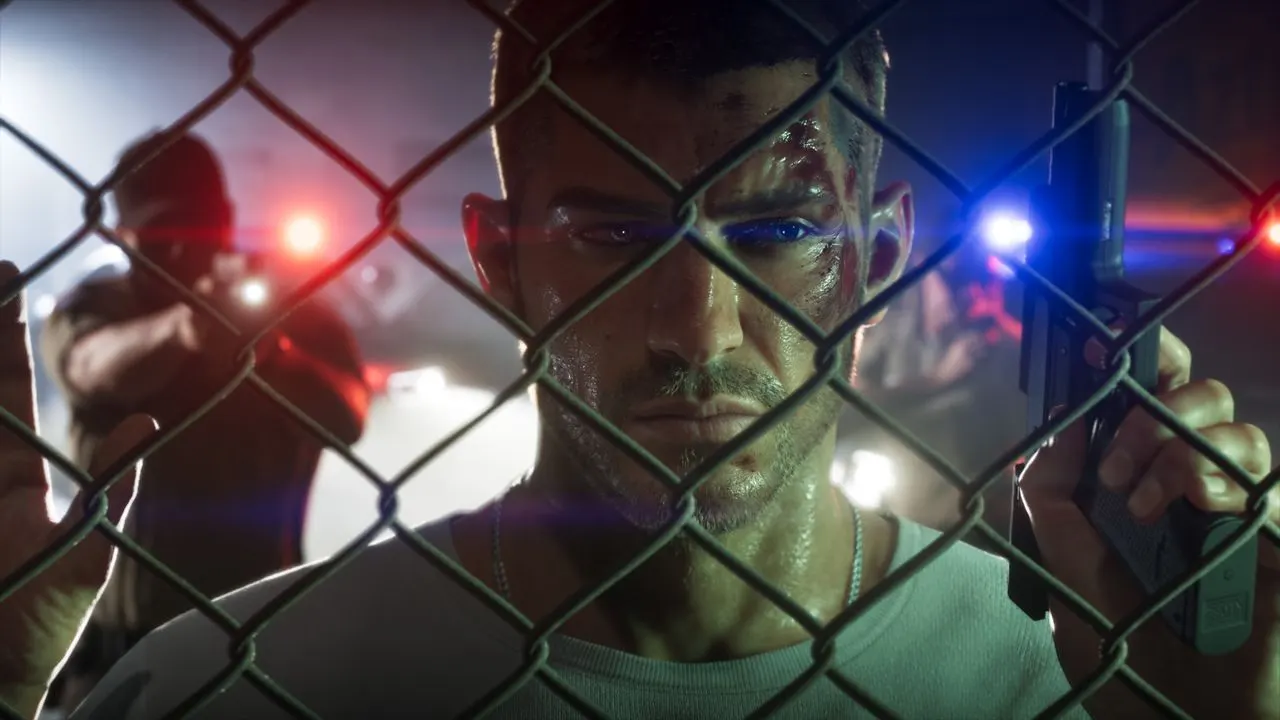
Take-Two Interactive has asked a US court to keep its most recent subpoena request sealed as part of its ongoing effort to identify those responsible for leaking material from Grand Theft Auto 6. The publisher argued that publicising the request could tip off the individuals under investigation, allowing them to evade identification or destroy evidence, and described the leaker hunt as "rapidly evolving." The case underlines how seriously Take-Two continues to treat unauthorised disclosures of GTA 6 content, given the game's scale and commercial importance.
The subpoena forms part of a broader, ongoing legal campaign by Take-Two to unmask those behind the leaks, though the identities of those targeted and the precise scope of the investigation have not been made public. Limited detail was available beyond the company's characterisation of the probe as fast-moving, and no further developments in the case have since come to light.
- Sources
- 2
- Outlets
- 2
- Left · Centre · Right
- 0 · 0 · 0
In short
- Take-Two seeks to seal subpoena in GTA 6 leaker investigation
- Publisher fears disclosure could let leakers evade detection
- Case is part of wider, ongoing legal effort to unmask leakers
How this story developed
- 2 months ago Take-Two Interactive has asked a US court to keep its most recent subpoena request in the Grand Theft Auto 6 leaker investigation sealed, arguing that public disclosure could tip off those responsible and let them evade identification or destroy evidence.
- 2 months ago Take-Two Interactive has asked a US court to keep its latest subpoena request sealed as part of its ongoing legal effort to identify people responsible for leaking material related to Grand Theft Auto 6.
- 2 months ago Take-Two Interactive has asked a US court to keep its most recent subpoena request sealed as part of its ongoing effort to identify those responsible for leaking material from Grand Theft Auto 6.
Steelman: both sides, in good faith
The strongest fair case each way — we don't pick a winner.
The case for
Take-Two's case rests on established investigative principles: revealing subpoena details during an active investigation genuinely risks allowing suspects to destroy evidence, assume false identities, or evade enforcement actions. Courts routinely seal documents in active cases—from fraud to corporate espionage—because confidentiality is essential to investigation effectiveness, not concealment. The company's substantial GTA 6 investment means unauthorised leaks cause real competitive and industry-wide harm justifying protective measures.
The case against
Court records should be presumptively public in a democratic society; sealed subpoenas prevent public scrutiny of whether investigations are proportionate, targeted fairly, or conducted ethically. Without transparency, nobody can know if Take-Two is conducting a fishing expedition, targeting individuals unfairly, or misusing legal tools to suppress legitimate speech, nor can citizens anticipate when they might face subpoenas themselves. Whilst investigative sensitivity merits consideration, courts should require companies to meet a demanding threshold before sealing rather than routinely granting such requests.
Explained simply
Take-Two Interactive, the publisher behind the Grand Theft Auto series, has spent months trying to identify people it says leaked unreleased material from the highly anticipated GTA 6. The company has used the US courts to issue subpoenas, legal orders that force a person or company (often a tech platform or internet provider) to hand over information, in an effort to trace who was responsible for the leaks.
GTA 6 is one of the most valuable and closely guarded projects in the video game industry, and any early leaks of footage, images or details can affect its marketing and commercial plans. Take-Two has treated unauthorised leaks as a serious legal matter rather than an inevitable side effect of hype, and this case is part of a broader pattern of the company pursuing leakers through the courts.
Sealing a court filing means keeping its contents hidden from the public record, usually because a party argues that disclosure could cause harm, such as alerting a suspect before they can be formally identified. This background explains why Take-Two is now asking to keep a subpoena request confidential, rather than revealing who or what it is targeting.