Entertainment news and discussion on TalkFuse.
Hollywood Assistant Horror Novel ‘This Town Will Eat You Alive’ Written Under Pseudonym by Industry Insider Set at Hanover Square Press (EXCLUSIVE)
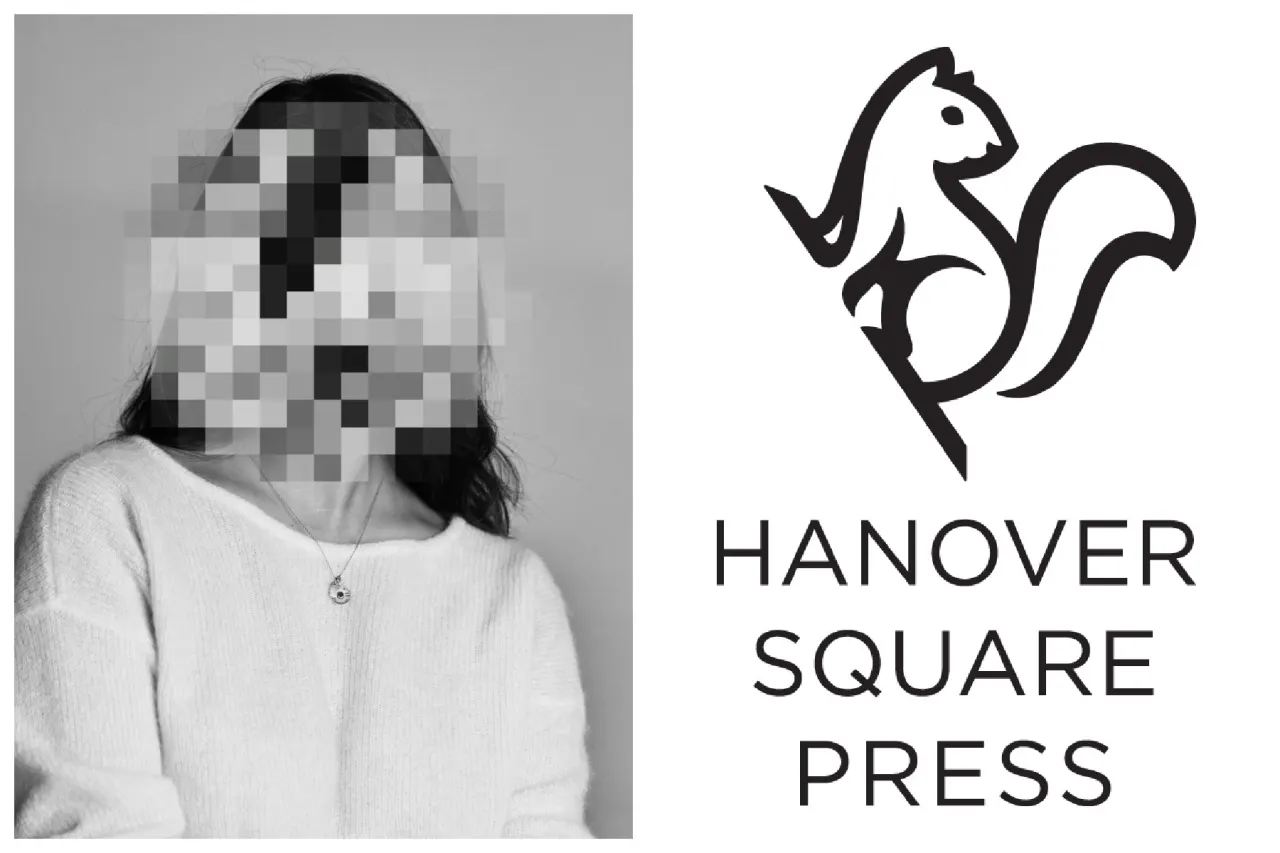
Hanover Square Press has acquired a satirical horror-romance novel by debut author Clare Ogawa, a pen name used by a real Hollywood industry insider who wishes to remain anonymous while still working in the business. "This Town Will Eat You Alive," due out on 6 July 2027, draws on the author's own experience starting out as an assistant, reimagining the exploitative side of the industry through a horror lens in which a powerful studio boss literally transforms into a monster.
The book follows assistant Frankie Meyers as she uncovers that her boss, studio head Lee Becker, is turning into a tentacled creature that preys on women, forcing her to weigh her career ambitions against stopping him, with help from his son Blue. Hanover Square Press's Dina Davis acquired North American rights in a preempt from agent Jenny Bent. Ogawa, described as a Gen-Z mixed Japanese-American author currently working in Hollywood, said the monstrous boss was a way to externalise fears about whether #MeToo-era misconduct had truly stopped or simply gone underground.
In short
- Anonymous Hollywood insider "Clare Ogawa" sells horror novel to Hanover Square Press
- Story: an assistant discovers her studio boss becomes a literal monster
- Inspired by #MeToo-era fears; publishes 6 July 2027
Explained simply
Hollywood studios make films and television programmes, and studio executives oversee projects and wield influence over the people who work on them. Assistants often begin their careers supporting senior staff, while hoping to move into more creative or powerful roles.
The novel uses a fictional studio and a supernatural threat to explore workplace power, ambition and misconduct. Its author, Clare Ogawa, is a pseudonym for an industry insider who says she is drawing on experience as an assistant while remaining anonymous and working in Hollywood.
The story also connects to the wider discussion sparked by #MeToo, a movement that brought attention to sexual harassment and abuse. It raises questions about whether changes in workplace behaviour have lasted and how people with less power can respond to misconduct.