Gal Gadot Defends Starring in Movie With AI Sets and Lighting Because ‘You’re Going to Work With It or Be Out of the Game’; Lawyers Spent 6 Months Ensuring AI Would Not Alter Actors
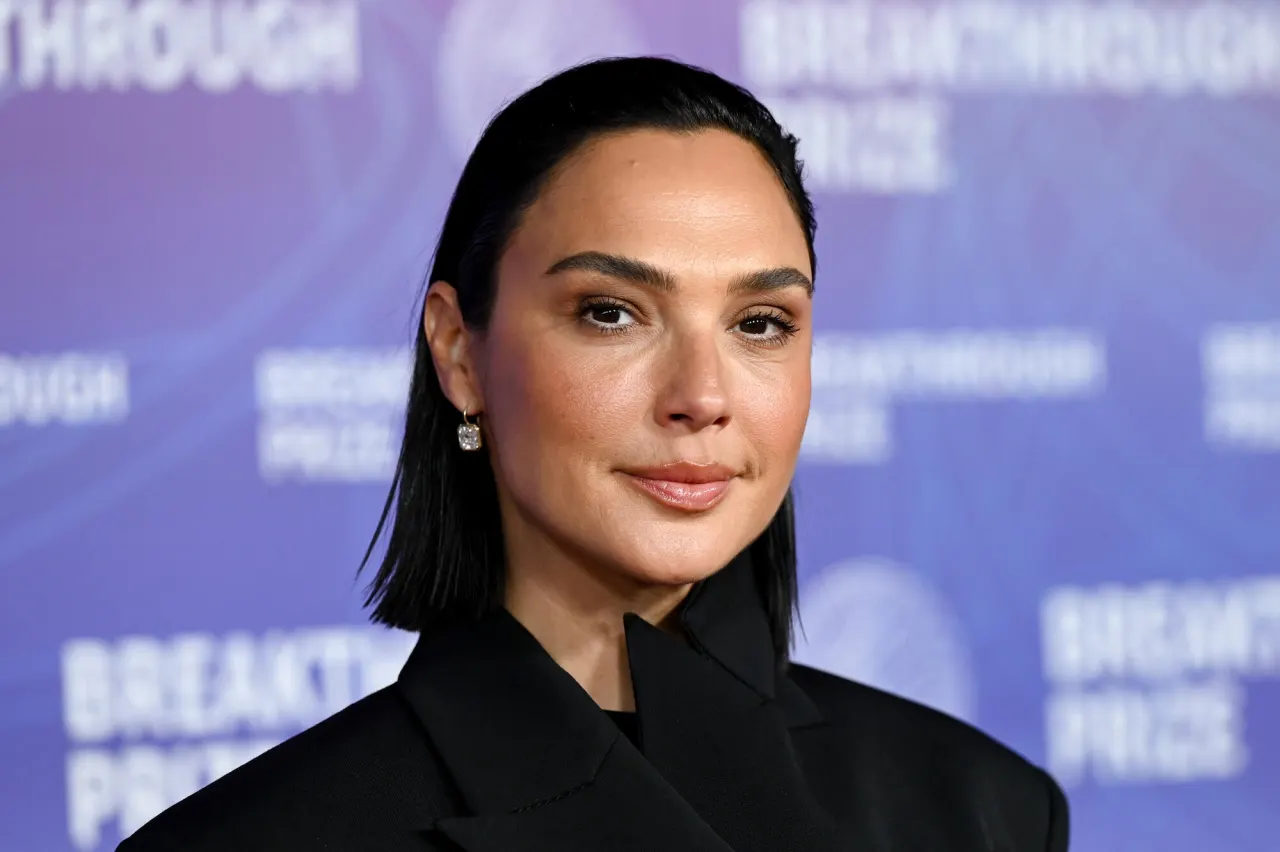
Gal Gadot has defended her decision to star in Doug Liman's "Bitcoin", a film that used AI to generate its sets and lighting, arguing that actors must engage with AI technology or risk being left behind. Speaking on the "Happy Sad Confused" podcast to promote her new Prime Video film "The Runner", Gadot said her lawyers spent six months negotiating contractual protections to ensure AI would not be used to alter her performance, a process so rigorous that SAG-AFTRA contacted her legal team for guidance on updating its own contracts to safeguard other actors.
The Bitcoin production, which stars Gadot alongside Casey Affleck, Pete Davidson and Isla Fisher, was reportedly shot in a bare warehouse space, with AI used to digitally fill in sets and lighting afterwards. Producer Ryan Kavanaugh has claimed the approach saved the $70 million production more than $200 million. Gadot likened the shoot to theatre work, saying the cast filmed continuously for ten-hour stretches without the usual waits for lighting setups. In the same interview, she also said she would be unlikely to return as Wonder Woman for a third film, citing family commitments, after DC Studios chiefs James Gunn and Peter Safran did not proceed with a Gadot-led sequel following the studio's leadership change.
- Gadot defends AI-generated sets in new film "Bitcoin"
- Lawyers spent six months protecting her performance from AI use
- Says she'd likely skip a third Wonder Woman film
New here? Start with this
Doug Liman's "Bitcoin" is a film that used artificial intelligence to create its sets and lighting, rather than building them physically or filming on location. Instead of a traditional set, the cast reportedly filmed in an empty warehouse, with AI used afterwards to add the visual backdrop. The cast includes Gal Gadot, Casey Affleck, Pete Davidson and Isla Fisher, and the production has been reported to cost around $70 million, with its producer claiming the AI approach cut costs significantly compared with conventional filmmaking.
The use of AI in film production has become a contentious issue in the entertainment industry, with actors' unions such as SAG-AFTRA pushing for contractual safeguards after past disputes, including the 2023 Hollywood strikes, over how the technology might be used to replicate or alter performers' likenesses without consent. Gadot is one of the most prominent actors so far to publicly defend working on an AI-assisted production, making her comments notable within that wider industry debate.
Gadot is best known for playing Wonder Woman in several DC superhero films, a franchise that has faced uncertainty since Warner Bros' DC division came under new leadership. Her remarks were made while promoting a separate, unrelated new film, "The Runner", on the "Happy Sad Confused" podcast.
Both sides, in good faith
The strongest fair case each way — we don't pick a winner.
The case for
Using AI for sets and lighting could make film production faster and more affordable, while letting actors work continuously rather than wait through technical changes. Gadot’s account also suggests that clear contractual limits can protect performers from having their likeness or performance altered without consent, allowing the industry to explore the technology responsibly.
The case against
AI-generated production may reduce demand for set builders, lighting crews and other workers whose craft supports conventional filmmaking, while shifting more creative control to producers and technology providers. Even with contractual safeguards, wider use could make actors’ work more vulnerable to replication or alteration, so caution and strong industry-wide protections may be warranted before adoption accelerates.