Navy unveils ‘MALICE’ missile built to strike enemy aircraft from extreme range
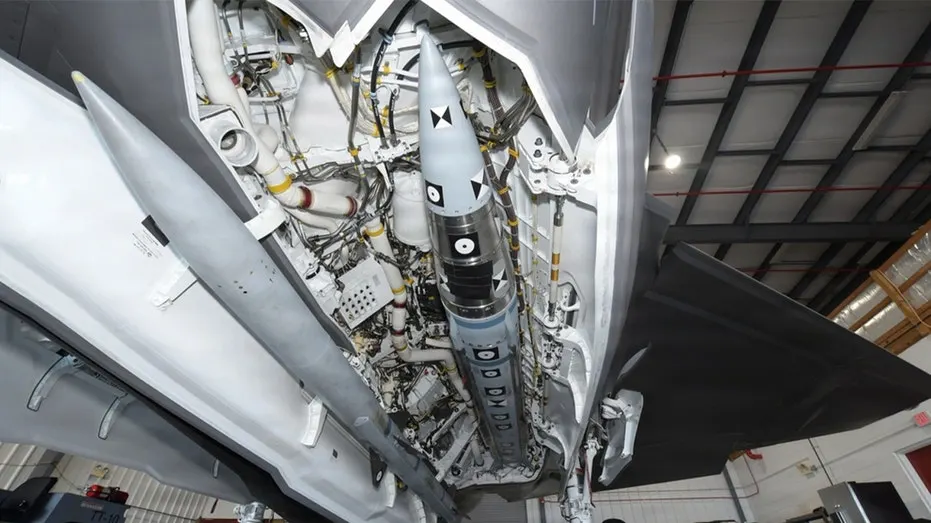
The US Navy has unveiled a new extreme-range air-to-air missile, the AIM-424 LRAAM, nicknamed "MALICE," designed to let pilots detect, engage and destroy enemy aircraft or drones well before coming within range of a threat themselves. The Navy announced the weapon on 22 August, saying it is intended to preserve America's "first look, first shot, first kill" advantage in aerial combat, boosting the reach, survivability and tactical flexibility of naval and Marine Corps aviators.
The missile has a range described as "in excess" of 250 nautical miles (roughly 287 miles), far exceeding typical air-to-air weapons, and is designed to shield an entire fleet from beyond the horizon. Measuring 13.5 feet long and weighing around 1,500 pounds, it dwarfs the standard AIM-120 AMRAAM, which weighs about 335 pounds, reflecting the larger propulsion system needed for its range. It carries a blast-fragmentation warhead that can destroy targets without a direct hit, and is being built by defence contractor Raytheon for use across fourth, fifth and future sixth-generation fighter jets.
- Navy reveals new AIM-424 "MALICE" long-range air-to-air missile
- Range exceeds 250 nautical miles, far beyond standard missiles
- Built by Raytheon; works across current and future fighter jets
New here? Start with this
Air-to-air missiles are weapons launched from one aircraft to attack another. The US Navy and Marine Corps operate aircraft from ships as well as land bases, and their pilots may need to defend both themselves and the wider fleet from enemy planes or drones.
Most current air-to-air missiles have a shorter reach than the range reported for MALICE. A longer-range weapon could allow a pilot to attack from farther away, though detecting and tracking a target at that distance is also important.
Raytheon, a US defence company, is building the missile for use on several generations of fighter aircraft. Its development matters because the ability to threaten aircraft from greater distances could affect how air forces plan missions and protect ships.
Both sides, in good faith
The strongest fair case each way — we don't pick a winner.
The case for
Supporters could argue that a very long-range missile helps protect pilots and ships by allowing hostile aircraft or drones to be intercepted before they get close enough to launch their own attacks. They may see it as a deterrent that strengthens defence and gives commanders more options in a fast-moving threat environment.
The case against
Critics could argue that extending the reach and speed of air-to-air engagements may heighten the risk of misidentifying targets or escalating a confrontation before there is time to assess it. They may also question whether investing in such weapons encourages an arms race and diverts resources from other ways to reduce threats.