Duane Davis convicted of Tupac Shakur’s 1996 murder
Developed over time first seen 2 months ago
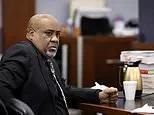
Duane "Keffe D" Davis, a former Crips gang leader, has been found guilty of orchestrating the 1996 drive-by shooting that killed rapper Tupac Shakur. The 63-year-old was convicted of murder with a deadly weapon with intent to promote a criminal gang, and now faces a potential life sentence. The case marks the first and only conviction secured over Shakur's killing, which had gone unsolved for nearly three decades until Davis's own public admissions reopened the investigation.
Prosecutors said Davis organised the attack after Shakur's entourage assaulted his nephew at the MGM Grand in Las Vegas, and that Davis supplied the gun used, though he did not fire the fatal shots. Key evidence included a 2008 immunity deal with federal investigators and details from Davis's 2019 memoir, in which he described his role in the killing. The defence argued there was no independent evidence, such as CCTV or phone records, placing Davis at the scene, and claimed he had fabricated the account to avoid a drugs sentence and later to boost book sales. A jury of 16 reached its verdict after hearing from 27 witnesses over nine days; Shakur, then 25, died six days after being shot on 7 September 1996.
- Duane Davis convicted of murder over Tupac Shakur's 1996 killing
- Prosecutors say he supplied gun but didn't fire shots
- Davis faces possible life sentence; case rested partly on his memoir
New here? Start with this
Duane "Keffe D" Davis was a leading figure in the Southside Crips gang in Compton, California. He has now been convicted by a Las Vegas jury of murder over the September 1996 drive-by shooting that killed Tupac Shakur, one of the most influential rappers of his generation, as Shakur rode in a car with Death Row Records boss Marion "Suge" Knight after a Mike Tyson boxing match.
The killing went unsolved for nearly three decades, fuelling years of speculation, until Davis himself gave investigators an account of his involvement in 2008 in exchange for legal protection, and later described his role again in a 2019 memoir. Prosecutors said the shooting was linked to an earlier altercation between Davis's nephew and members of Shakur's entourage, while Davis's lawyers argued there was no hard evidence, such as phone or camera footage, tying him to the scene.
The case matters both because it is the first prosecution to result from Shakur's murder and because his death remains one of the most significant unresolved episodes in American music history. Davis, 63, now faces a possible life sentence, and the verdict has reopened public attention on a killing that has long shaped conversations about the rap industry, gang rivalries and unsolved celebrity murders of the 1990s.
Both sides, in good faith
The strongest fair case each way — we don't pick a winner.
The case for
Supporters of the verdict argue that Davis's own repeated, detailed admissions, made voluntarily to federal investigators and later expanded upon in his published memoir, amount to compelling evidence that a reasonable jury was entitled to credit. They note that the jury heard extensive testimony from 24 witnesses over nine days and was well placed to judge Davis's credibility and motive for confessing. For this view, the verdict finally delivers accountability and closure to Shakur's family after nearly three decades of an unsolved killing, and reflects the justice system working as intended even when forensic evidence is scarce.
The case against
Sceptics of the conviction argue that it rests almost entirely on Davis's own words rather than independent, verifiable evidence such as surveillance footage, phone records or forensic material placing him at the scene or in the vehicle. They point out that his account emerged first as part of a proffer agreement aimed at avoiding a harsher drug sentence, and later formed the basis of a memoir he had a financial interest in promoting, raising a genuine question about whether self-serving or embellished statements should be sufficient to convict someone of murder. This view reflects a broader concern about safeguarding due process and the standard of proof in cases built on uncorroborated personal narrative rather than physical evidence.
Full account
A Las Vegas jury has convicted Duane 'Keffe D' Davis, a 63-year-old former leader of the South Side Compton Crips, of murder with a deadly weapon carried out to promote a criminal gang, over the 1996 drive-by shooting that killed rapper Tupac Shakur. The verdict, delivered on Monday after a trial that opened some three decades after Shakur's death, marks the first conviction secured over one of hip-hop's most notorious unsolved killings. Davis was not accused of firing the fatal shots himself but of directing the attack, and he now faces a potential life sentence, with sentencing set for 13 October. One outlet reported that Shakur's sister, Sekyiwa Shakur, was seen crying quietly in the courtroom as the verdict was announced.
Prosecutors told jurors that Davis organised the shooting in retaliation after members of Shakur's entourage assaulted his nephew, Orlando 'Baby Lane' Anderson, at the MGM Grand hours earlier following a Mike Tyson bout. They alleged Davis obtained a handgun and, travelling in a white Cadillac, tracked down Shakur and Death Row Records boss Marion 'Suge' Knight, whose BMW was fired upon as it stopped in traffic in Paradise, Nevada, on 7 September 1996. Shakur was struck several times and died of his injuries six days later, aged 25; Knight was only grazed. Accounts differ slightly on who is believed to have pulled the trigger, with reporting pointing either to Anderson or to another associate seated in the back of the Cadillac, though prosecutors maintained Davis's role as organiser was the central charge regardless of who fired.
Much of the case rested on Davis's own words rather than forensic or eyewitness evidence placing him at the scene. Prosecutors highlighted a 2008 proffer agreement Davis made with federal agents investigating the murder of Christopher Wallace, the rapper Notorious B.I.G., noting that Davis mistakenly believed it granted him blanket immunity and so spoke candidly about details of Shakur's killing that only someone involved could have known. They also cited years of public boasting, including a 2018 television documentary appearance and his 2019 memoir, Compton Street Legend, in which he described his part in the shooting in detail. The defence countered that these were self-serving fabrications designed to sell books and boost his profile, arguing there was no independent proof — no surveillance footage, phone records or forensic material — placing Davis in Las Vegas or in the Cadillac that night, and questioning why, if his confessions were genuine, prosecution took so long to follow.
The case has also revived attention on the broader rivalries surrounding Shakur's death, including the West Coast-East Coast hip-hop feud of the 1990s and reported gang affiliations linking Death Row Records to the Bloods and rival label Bad Boy Records, founded by Sean 'Diddy' Combs, to the Crips. One report noted Davis has previously claimed Combs offered a bounty for Shakur's murder, an allegation Combs has consistently denied and which was not a focus of the trial itself. Coverage otherwise varied in emphasis: some outlets stressed the scale of the prosecution's case, noting testimony from more than twenty witnesses over roughly two weeks, while others focused on the relatively swift jury deliberations, reported at around three hours. Davis's legal team has indicated he intends to appeal once sentencing is handed down.
Where outlets differ
Fox News (Source 2) describes the conviction simply as 'first-degree murder with the use of a deadly weapon', while the Daily Mail and Page Six specify the fuller charge of murder with a deadly weapon with intent to promote/assist a criminal gang.
Only the Daily Mail (via CNN) reports that Shakur's sister, Sekyiwa Shakur, appeared to cry in court during the verdict.
Only Page Six specifies the jury deliberated for roughly three hours and gives the 13 October sentencing date and Davis's stated plan to appeal.
Fox News gives more procedural detail (16-member panel including four alternates, 24 prosecution witnesses, nine days of testimony) than other outlets.
Only The Hollywood Reporter foregrounds the East Coast/West Coast label rivalry and the allegation that Sean 'Diddy' Combs offered money for Shakur's killing, a claim Combs denies and which several other outlets omit entirely.
Sources vary on who is believed to have physically fired the weapon — Page Six notes prosecutors floated either Orlando Anderson or another man in the backseat, while other reports focus solely on Davis's role as organiser rather than naming a shooter.
More coverage
- BBC World — Watch: Moment Duane 'Keffe D' Davis is found guilty of Tupac Shakur's murder
- Fox News — Duane 'Keffe D' Davis found guilty of first-degree murder in 1996 killing of Tupac Shakur
- Variety — Duane ‘Keffe D’ Davis Found Guilty of Orchestrating Tupac Shakur’s Murder
- The Hollywood Reporter — Tupac Shakur Murder Trial: Duane “Keffe D” Davis Convicted in 1996 Killing of Rapper
- Rolling Stone — Duane ‘Keffe D’ Davis Found Guilty in Murder of Tupac Shakur
- Billboard — Tupac Shakur Murder Verdict: Man Found Guilty In Rapper’s 1996 Slaying
- Consequence — Duane “Keffe D” Davis Found Guilty of Orchestrating Tupac’s Murder
- Pitchfork — Man Found Guilty in Murder of Tupac Shakur
- Stereogum — Duane Davis Found Guilty Of Tupac Shakur’s Murder
- IGN — Duane Davis Found Guilty in Murder of Tupac Shakur
- NPR — Jury convicts a man of first-degree murder for the 1996 killing of rap icon Tupac Shakur
- BBC Entertainment — Ex-gang boss found guilty in 1996 murder of rapper Tupac Shakur
Read the full article at the source →
Originally published by Daily Mail as “Former Crips boss Duane ‘Keffe D’ Davis guilty of murder for 1996 slaying of rap legend Tupac Shakur”.