Healthcare cyberattacks hit pacemakers and millions of patient records
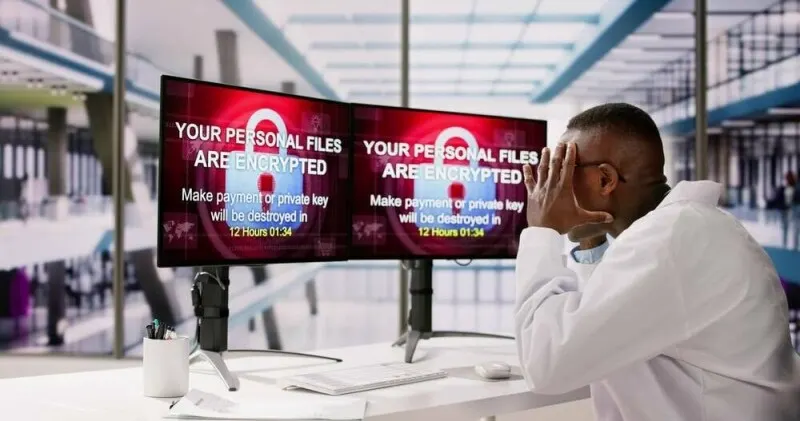
Medical-device maker Boston Scientific and pharmaceutical distributor McKesson both disclosed weekend updates on separate cyberattacks affecting their US healthcare operations, one disrupting pacemaker monitoring and shipping, the other exposing millions of patient records. The incidents highlight the growing vulnerability of healthcare infrastructure to cybercrime, with attacks now reaching beyond data theft into physical medical devices and disrupting care delivery, manufacturing and distribution networks relied upon by hospitals and cancer clinics.
Boston Scientific said the breach, first detected on 25 August, remains unresolved: newly implanted pacemakers and other cardiac devices cannot transmit data remotely until systems are restored, though episodes are still recorded and can be uploaded manually via an app. The firm has hired CrowdStrike, says cloud systems were unaffected, and is gradually restoring shipping, but has declined to confirm whether ransomware was involved. Separately, McKesson confirmed hackers accessed its Snowflake and Salesforce platforms, stealing data from patients in its Oncology & Multispecialty and Medical-Surgical units, which serve roughly 3,300 oncology providers across 29 states; the extortion group ShinyHunters claimed responsibility and reportedly demanded $55.2 million, though McKesson has not disclosed how many patients were affected.
- Boston Scientific breach disrupts pacemaker remote monitoring since 25 August
- McKesson confirms patient data theft from oncology and surgical units
- ShinyHunters claims McKesson hack, demands $55.2 million ransom
New here? Start with this
Hospitals and clinics rely on connected medical devices and digital systems to monitor patients, store records and move medicines and equipment. When those systems are disrupted or accessed without permission, the effects can reach beyond computers and affect how care is delivered.
Boston Scientific makes pacemakers and other devices that help manage heart conditions; McKesson distributes medicines and supplies and supports cancer and other specialist care. Their US operations are part of a wider network linking patients, healthcare providers and suppliers.
Cyberattacks can therefore create different kinds of risk across healthcare, from interruptions to remote device monitoring and deliveries to the exposure of private patient information. The incidents raise questions about how healthcare organisations protect systems that support both medical care and sensitive data.