3 Best Sleep Tracker Picks for Optimizing Your Sleep (2026)
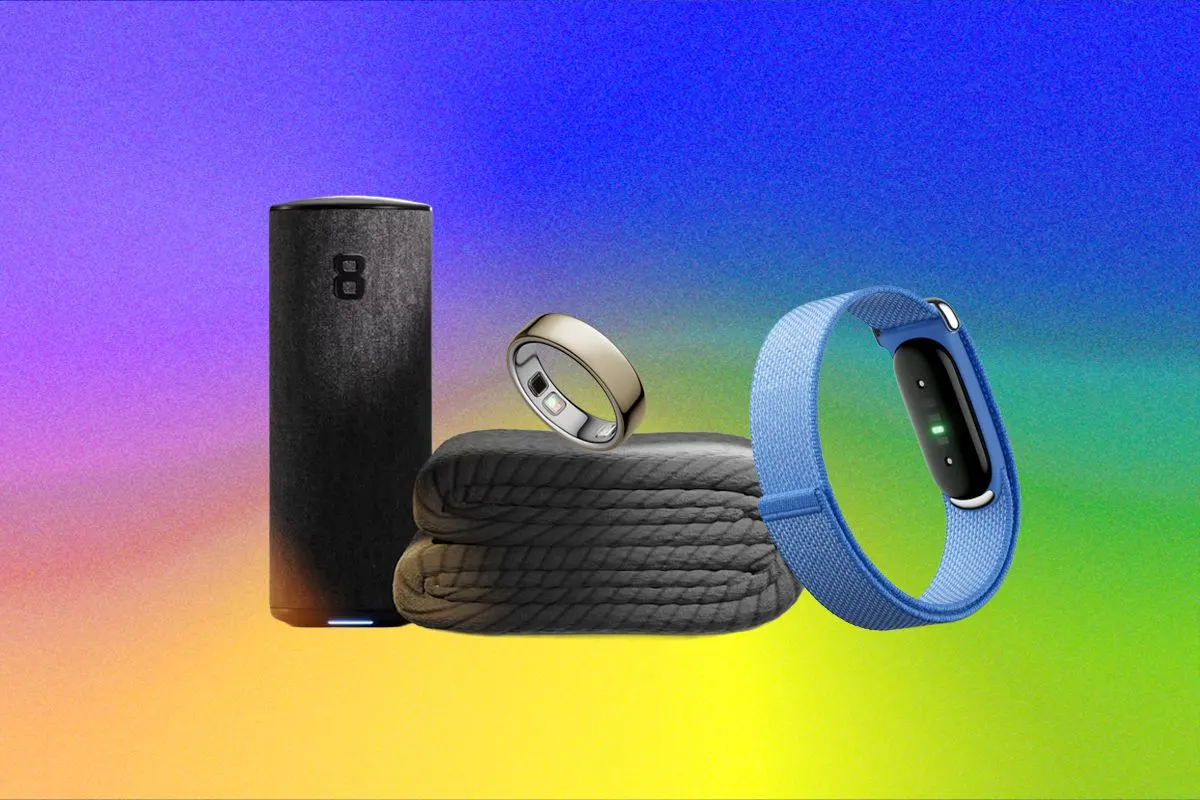
Wired has updated its guide to the best sleep trackers for 2026, recommending three top picks after testing a range of wearable and non-wearable devices. The update reflects both the growing sophistication of sleep-tracking technology and a note of caution from the reviewer, who warns that increasingly advanced tools risk becoming prescriptive rather than supportive, potentially fostering anxiety instead of genuinely improving sleep.
The overall top pick is the Oura Ring, praised for its accurate sleep assessment using a multisensor suite that tracks blood oxygen, heart rate, temperature and movement, though advanced metrics require a $6-a-month subscription. The Google Fitbit Air is named best screenless band, said to be 15 percent more accurate than its predecessor and praised for honestly flagging incomplete data rather than guessing, with premium insights costing $10 a month. The Eight Sleep Pod 5, a temperature-regulating mattress cover, is highlighted as the best contactless option, adjusting to each partner's sleep patterns in real time. The guide also notes recent additions including the Oura Ring 5 and details of a class-action lawsuit against Oura.
- Wired names Oura Ring its top overall sleep tracker pick for 2026
- Google Fitbit Air rated best screenless wristband, praised for data honesty
- Eight Sleep Pod 5 chosen as best contactless, temperature-regulating option
New here? Start with this
Sleep trackers use sensors to estimate patterns such as how long someone sleeps and how often they wake. They range from rings and wristbands to devices placed in or on a bed, and their readings are estimates rather than a full medical assessment.
The main companies in this market include Oura, Google’s Fitbit and Eight Sleep. Their devices collect different signals, such as movement, heart rate or temperature, and some charge a subscription for extra analysis.
These tools can help people notice patterns, but detailed scores may also make sleep feel like something to manage or worry about. Understanding how the estimates are produced, and what they can and cannot show, matters when comparing devices or deciding how much weight to give their results.
Both sides, in good faith
The strongest fair case each way — we don't pick a winner.
The case for
Sleep trackers can help people notice patterns and make more informed changes to their routines, while newer sensors and features may provide useful detail with less effort than keeping a sleep diary. For people who find feedback motivating, tools such as temperature adjustment or clearer readings of incomplete data could offer practical support, though subscriptions add to the cost.
The case against
More tracking does not necessarily lead to better rest, and frequent scores or prescriptive advice may make some people anxious or overly focused on normal night-to-night variation. The devices and paid insights also cost money, while their measurements and recommendations may not provide enough benefit to justify that expense for everyone.