Poco’s F9 Ultra is a midrange phone with a flagship processor and a 185Hz display
Developed over time first seen 2 months ago
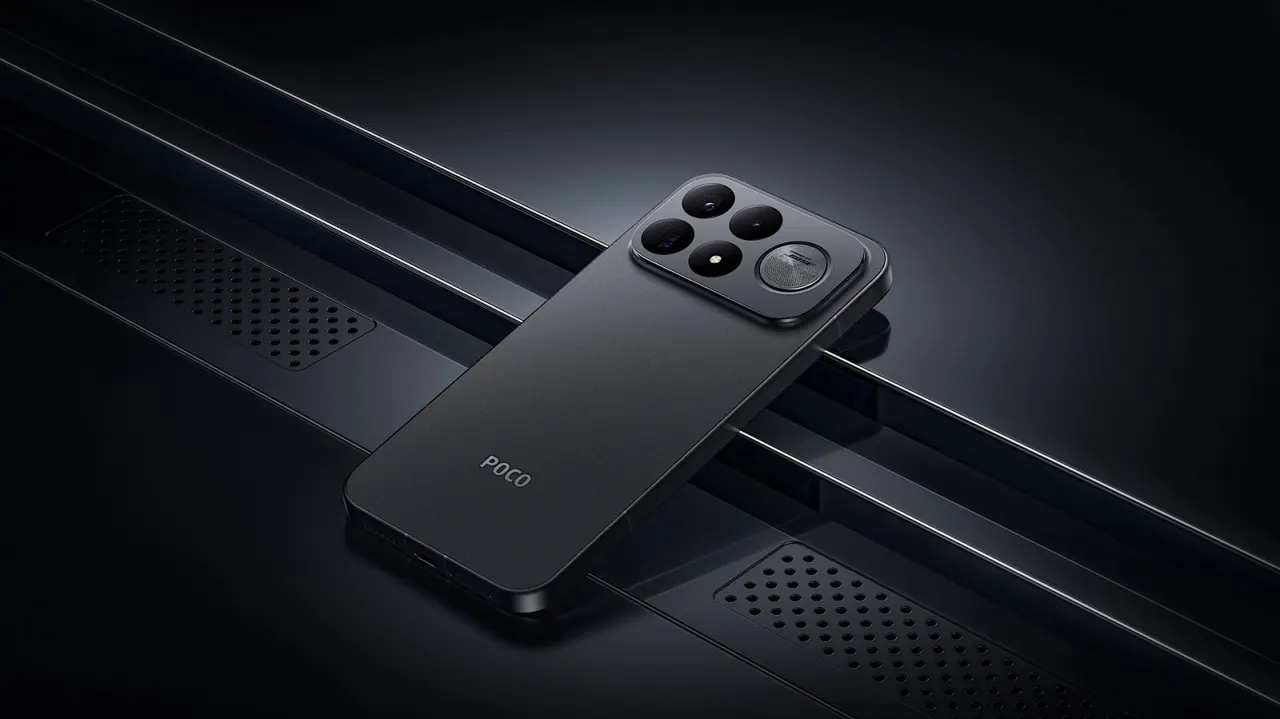
Xiaomi's sub-brand Poco has unveiled the F9 Ultra, a China-market smartphone that pairs flagship-level specifications with midrange positioning, including a notably larger 8,050mAh battery, up from 6,500mAh in last year's F8 Ultra. The phone won't be sold in the US, but it offers a useful snapshot of how Chinese phonemakers continue to push hardware specs while keeping prices down, with a company spokesperson indicating it will cost under $800 at its global launch.
The device features a 6.9-inch AMOLED display with a 185Hz refresh rate, a specification usually reserved for pricier gaming phones, alongside 2.1-channel Bose sound and a redesigned camera module that now sits flush with the body, in a new Dark Cherry red finish. It retains last year's Snapdragon 8 Elite Gen 5 chipset and Poco's VisionBoost D8 AI imaging processor, but adds 100W wired and 50W wireless charging, plus improved LiquidCool thermal management said to cut chip temperatures by up to three degrees Celsius to support its WildBoost gaming engine, which claims native 185fps in 24 games. The rear cameras comprise a 200-megapixel main sensor, a 5x optical-zoom periscope telephoto and a 50-megapixel ultrawide.
- Poco F9 Ultra unveiled with 8,050mAh battery and 185Hz display
- China-only launch, priced under $800, no US release
- Keeps Snapdragon 8 Elite Gen 5 chip, adds faster charging and cooling
New here? Start with this
Poco is the budget-focused sub-brand of Chinese electronics giant Xiaomi, and it has long built a reputation for squeezing high-end components into cheaper handsets. The F9 Ultra is its newest device, following on from last year's F8 Ultra, and it is currently launching in China only, with no confirmed release in the US or UK.
The phone matters as an example of a broader trend among Chinese manufacturers: offering specifications typically found in premium, expensive phones, such as fast processors and high-refresh-rate screens, at a lower midrange price. This approach puts pressure on rival brands and gives consumers a sense of how much technology is now available outside the traditional flagship price bracket.
Full account
Xiaomi's budget-focused sub-brand Poco has unveiled the F9 Ultra, the latest in its line of phones that pair near-flagship processing power with pricing well below that of mainstream flagships. The handset centres on a large 6.9-inch AMOLED display capable of an unusually high 185Hz refresh rate, a specification more commonly associated with dedicated gaming phones such as Asus's ROG Phone series. Inside, Poco has stuck with the Qualcomm Snapdragon 8 Elite Gen 5 chipset used in last year's F8 Ultra, rather than moving to a newer chip, since Qualcomm has yet to announce a successor.
Audio and screen quality are being pushed as key selling points. For the second year running, Poco has worked with Bose on the F9 Ultra's sound system, retaining the 2.1-channel speaker setup introduced on the F8 Ultra but refining the two main drivers and adding a small LED ring around the built-in subwoofer, which can light up for calls, notifications or in sync with music and games. Reviewers who have tried the phone describe it as exceptionally loud for a smartphone, with Bose-designed sound profiles, a customisable equaliser and a new game-audio mode that sharpens directional cues such as footsteps in first-person shooters. Poco also claims the display can reach extremely high peak brightness, though the headline 185Hz refresh rate is reportedly limited to a curated list of compatible games rather than being available system-wide.
On the performance side, Poco has retained several features from its predecessor while adding some new touches. Its proprietary VisionBoost D8 chip, which uses AI processing to sharpen image detail and smooth graphics, returns from the F8 Ultra, alongside a WildBoost gaming engine said to support native 185fps play in a growing list of titles at launch. A new LiquidCool cooling system is claimed to lower chip temperatures by up to three degrees Celsius under load. The phone is built around a substantially larger silicon-carbon battery than before, rated at roughly 8,050mAh, with support for 100W wired and 50W wireless charging where compatible chargers are used. Configurations are said to go up to 16GB of RAM and 1TB of storage.
The camera setup is shared consistency across reports: a 200-megapixel main sensor, a 50-megapixel ultrawide, and a 50-megapixel periscope telephoto offering 5x optical zoom, with Poco's photography credited to image-processing work inherited from parent company Xiaomi. The F9 Ultra is launching alongside a less expensive F9 Pro sibling with a similar design ethos. Pricing has been pitched as coming in under $800, positioning the phone firmly as a value alternative to premium flagships, though it is not expected to be sold in the United States, limiting its relevance mainly to buyers in China and other Poco markets.
Where outlets differ
One outlet frames the F9 Ultra chiefly around raw value-for-money specs — battery size, gaming performance claims, colour options and a sub-$800 price pledge — and explicitly notes it won't be sold in the US, while the other outlet is a hands-on impression piece that barely touches on pricing or availability and instead dwells on the Bose audio partnership, the subwoofer's light-up ring and how loud/good the speakers actually sound in practice.
The two accounts give slightly different figures and framings for the games supporting the 185Hz mode — one says 24 titles at launch, the other says 'more than 20' and names specific games (Clash of Clans, GTA: Liberty City Stories).
Only one source mentions the extremely high claimed peak brightness figure for the display, RAM/storage configurations up to 16GB/1TB, and the existence of a companion F9 Pro model.
One source highlights Poco-branded software/hardware features (VisionBoost D8 chip, WildBoost engine, LiquidCool thermal system) in detail, while the other focuses more on the Bose game-audio engine and customisable EQ options.
There is a minor inconsistency within one source itself, which opens by citing an 8,000mAh battery before later giving the more precise 8,050mAh figure used consistently by the other outlet.