‘Sonos 27’ brings a refreshed UI to the app and lets AI agents control your system
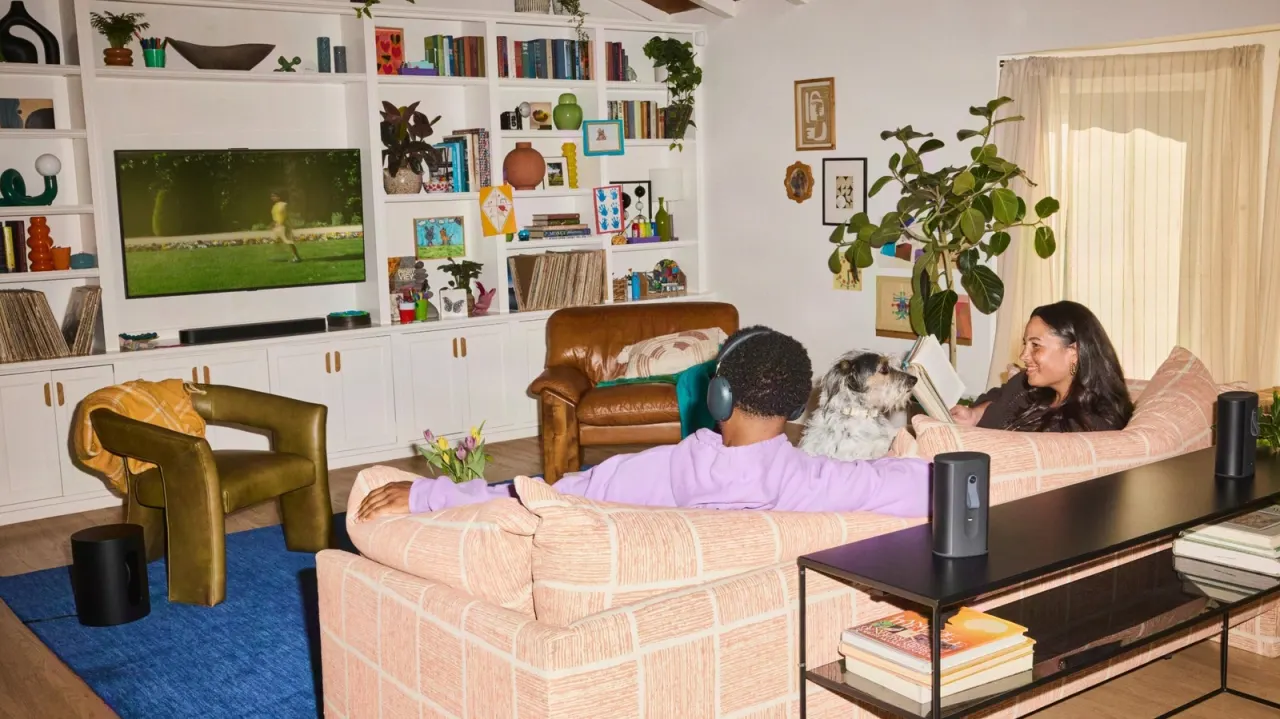
Sonos has unveiled "Sonos 27," a major overhaul of the operating system underpinning its speakers, soundbars and headphones, alongside a redesigned app. It marks the company's most significant software update since its troubled 2024 app relaunch, which led to widespread bugs, the departure of chief executive Patrick Spence, and a year without new product releases in 2025. The headline addition is support for outside AI assistants and agents, including ChatGPT, allowing users to control their Sonos system through whichever AI tool they already use, via a public MCP (model context protocol) server.
Beyond AI integration, Sonos is introducing "Sonos Fabric," a feature letting compatible speakers automatically detect their position and adjust their role, such as portable speakers switching to surround-sound duty when placed near a soundbar, using high-frequency sound sensing. The Ace Ultra headphones, arriving 29 September, will gain an early-access "headphone linking" feature to receive audio directly from other system speakers. The redesigned app, with persistent navigation tabs and pinned favourites, becomes the default from 8 September, while Sonos is also previewing Custom Agents and an updated in-house voice assistant, though details remain limited.
- Sonos 27 lets ChatGPT and other AI agents control your speaker system
- New "Sonos Fabric" tech auto-adjusts speaker roles based on placement
- Redesigned app and headphone-linking for Ace Ultra roll out from 8-29 September
New here? Start with this
Sonos is an audio company whose speakers, soundbars and headphones can be linked and controlled through one app. Its products let people play music in different rooms or use speakers together for home cinema.
The company’s 2024 app relaunch was widely criticised after users encountered bugs and missing features. The problems were followed by chief executive Patrick Spence’s departure and a pause in new product releases during 2025, making the software’s reliability an important issue for Sonos and its customers.
AI assistants are tools that respond to requests in ordinary language, while an agent can also carry out tasks for a user. Sonos’s system software and app connect its devices and manage how they play sound, so support for outside AI tools could give users another way to control that setup.
Both sides, in good faith
The strongest fair case each way — we don't pick a winner.
The case for
Sonos 27 could make a complex multi-speaker system easier to use by letting customers control it through AI assistants they already know, while automatic speaker detection and a clearer app may reduce setup and day-to-day friction. After the problems following the 2024 relaunch, a substantial software refresh also gives Sonos a chance to rebuild trust by improving the experience across existing products.
The case against
The update adds complexity and reliance on outside AI services to a system whose recent app overhaul already damaged customer confidence; users may reasonably question whether new integrations will work reliably and how their data will be handled. Features such as automatic speaker sensing and agent control may also offer limited value to people who prefer predictable, direct controls, while the announcement gives few details about the custom agents or voice assistant.