Locals torch migrant shelters as Spain’s PM points blame beyond the border
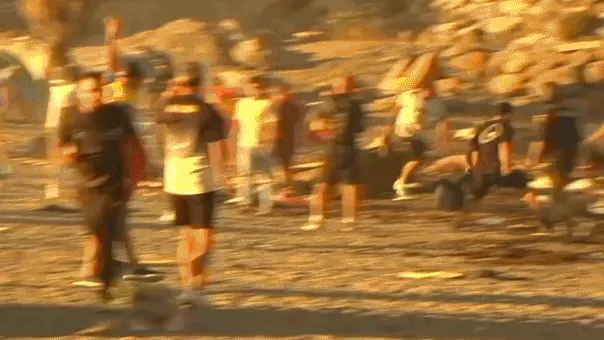
Residents in Spain's North African enclave of Ceuta tore down and set fire to makeshift migrant shelters last week, as tensions boiled over following a huge influx of migrants from Morocco. Prime Minister Pedro Sánchez has since accused Russian- and Israeli-linked networks of spreading disinformation that helped fuel the crisis, claims both governments have firmly rejected. The unrest matters because it highlights deepening friction in Ceuta over migration and raises the political stakes for Sánchez, who is also fending off accusations that Morocco's government allowed the crossings to happen.
Protesters carrying Spanish flags marched towards beachside migrant camps on two consecutive days, chanting "Invaders, expulsion" as police tried to keep demonstrators and migrants apart. The unrest follows a surge on 30-31 July in which more than 72,000 migrants crossed irregularly from Morocco into Ceuta, one of the EU's two land borders with Africa; at least 100 people died attempting the crossing, and roughly 5,000 migrants remained in the enclave as of Monday. Sánchez cited European External Action Service research pointing to Russian and Israeli involvement in disinformation, alongside far-right networks, and suggested both countries were retaliating over his stance on Ukraine and Gaza — though he offered no supporting evidence. Israel's foreign minister accused him of "lying shamelessly", the Kremlin denied any link, and Sánchez separately rejected claims that Moroccan authorities had facilitated the crossings.
- Ceuta residents burned migrant shelters amid mass-crossing tensions with Morocco.
- Sánchez blames Russian and Israeli networks for disinformation fuelling the crisis.
- Israel and Russia deny involvement; over 72,000 crossed in late July.
New here? Start with this
Ceuta is a Spanish-administered city on the North African coast, bordering Morocco. It is one of two land borders between the European Union and Africa, and migrants sometimes try to enter it from Morocco by sea or across the border.
Migration has long been a source of tension in Ceuta, where arrivals are handled by Spanish authorities and many people hope to travel on to mainland Europe. A sudden rise in crossings can put pressure on local services and lead to disputes over how migrants are treated and where they stay.
Spain’s prime minister, Pedro Sánchez, leads the government responsible for the enclave and its border policy. Relations with Morocco also matter because the two countries share the border, while claims about foreign disinformation have drawn Russia and Israel into the political debate.
Both sides, in good faith
The strongest fair case each way — we don't pick a winner.
The case for
Sánchez’s warning may reflect a legitimate concern that coordinated disinformation can inflame an already volatile situation and that foreign actors could exploit migration pressures for political purposes. Given the scale of the crossings and the political tensions around Ukraine and Gaza, investigating credible indications of outside involvement could help explain how the crisis escalated, even if the allegations have not yet been substantiated publicly.
The case against
The accusations risk shifting attention from the immediate causes of the crisis and assigning blame without evidence Sánchez has made public; the governments named have denied involvement. Critics can reasonably argue that claims of foreign manipulation should be supported by verifiable findings, while Spain also examines its relations with Morocco and addresses local tensions and the treatment of migrants.