Waymo robotaxi rides are now open to the public in Denver, San Diego and Tampa
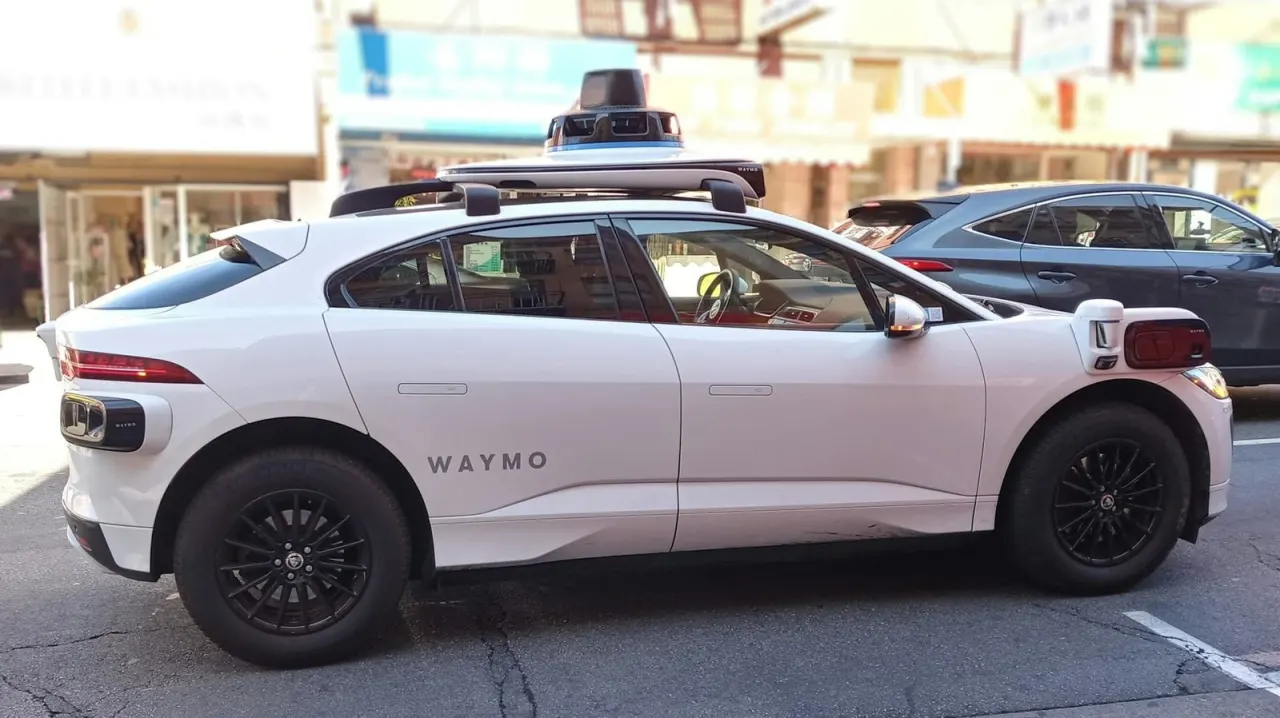
Waymo has opened its robotaxi service to the general public in three more US cities – Denver, San Diego and Tampa, Florida – as it presses ahead with expansion before an anticipated move into international markets. The rollout matters because it extends autonomous ride-hailing to new regions of the US at a time when the company is also eyeing cities such as Tokyo, Munich and London, positioning Waymo as the clear frontrunner in the race to commercialise driverless taxis.
Waymo said tens of thousands of people in each of the three cities had already signed up and would be granted access gradually before the service opens to everyone. The expansion brings the total number of US cities where Waymo operates to 14. However, its international ambitions face headwinds: reports last week indicated Waymo, along with rivals Wayve (backed by Uber) and Baidu (partnered with Lyft), is unlikely to hit its target of offering fully driverless rides in London this year, owing to technical and regulatory delays.
- Waymo robotaxis now public in Denver, San Diego and Tampa
- Service now runs in 14 US cities, with global expansion planned
- London launch likely delayed by regulatory and technical hurdles
New here? Start with this
Waymo is a self-driving technology company owned by Google’s parent company, Alphabet. It runs taxi services using cars equipped with cameras, sensors and software that navigate roads without a human driver at the wheel.
Driverless taxis are part of a wider effort by technology and transport companies to offer rides using automated vehicles. Waymo competes with firms including Wayve and Baidu, while ride-hailing companies such as Uber and Lyft may provide services or partnerships.
Expanding into new cities means adapting the technology to different roads, traffic and local rules. The approach matters to passengers, transport authorities and other road users as companies test how driverless services can operate at scale.
Both sides, in good faith
The strongest fair case each way — we don't pick a winner.
The case for
Opening the service to more people could make autonomous taxis a more practical transport option and give residents another choice, while extending operations may help Waymo learn how its vehicles perform in different urban settings. Supporters may also see expansion as a way to build a commercial market for driverless transport and encourage investment in the technology.
The case against
Expanding access before the technology is proven across a wider range of conditions may raise concerns about road safety, accountability and how well driverless vehicles handle unusual situations. Critics may also question whether commercial rollout is moving faster than public oversight and local readiness, particularly given the reported technical and regulatory delays affecting plans for London.