Burnham blames Brexit for ‘decade of low growth’ in UK
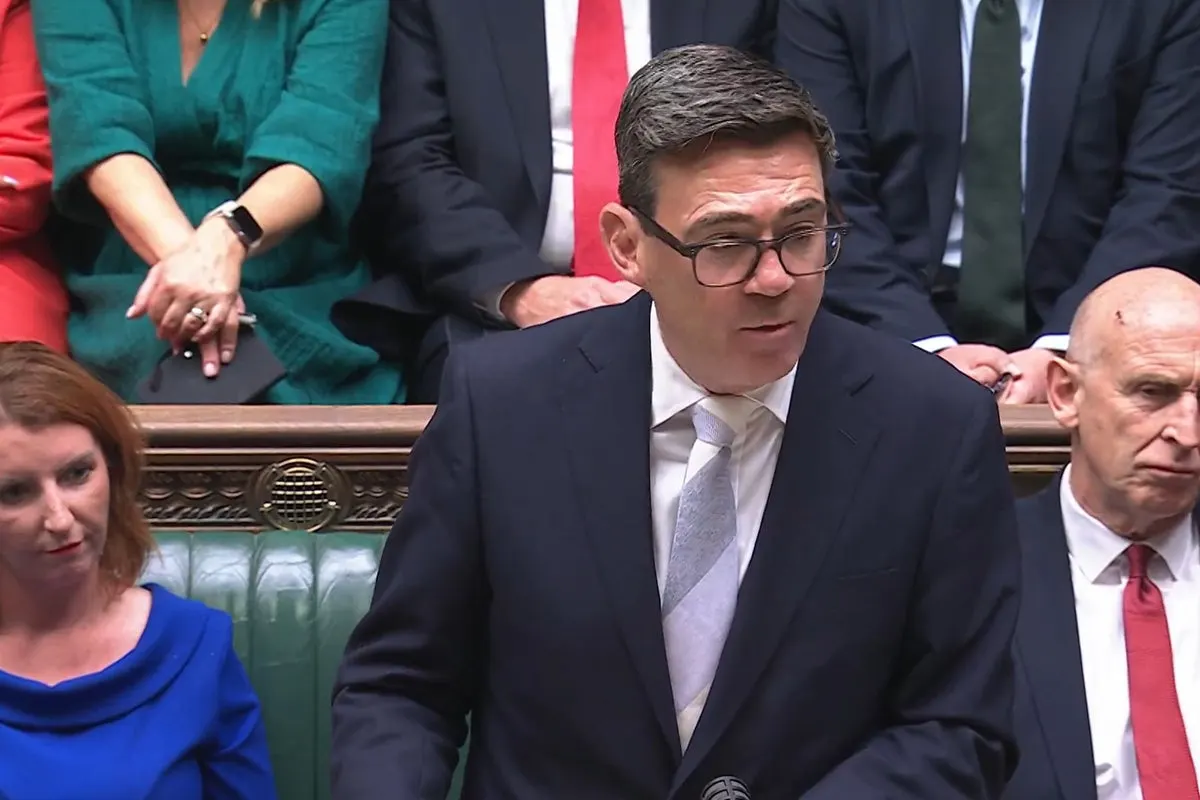
Prime Minister Andy Burnham used his first statement to the Commons since replacing Sir Keir Starmer to blame Brexit as one of a "series of wrong turns" that has left Britain with a "decade of low growth". The remarks mark a notable shift in tone from Sir Keir's leadership, with Burnham framing decentralisation, public ownership and cross-party cooperation as central to his premiership, while pro-EU campaigners hope his criticism signals openness to closer ties with Brussels before the next election, even though he has pledged to maintain Starmer's red lines against rejoining the EU, single market or customs union.
Burnham told MPs the UK had taken wrong turns since the 1980s, citing centralisation of political power, privatisation, deindustrialisation and austerity, before Brexit "compounded the damage". His comments follow reporting that Brexit has cost British business £11.7bn a year in lost exports, with 98.2% of firms surveyed wanting to rejoin the single market; Best for Britain's Naomi Smith urged him to pursue rejoining, citing a potential £92bn economic boost, while Conservative leader Kemi Badenoch criticised him for avoiding Commons scrutiny during his first 43 days in office.
In short
- Burnham says Brexit caused a "decade of low growth" for Britain
- He still rules out rejoining EU, single market or customs union
- Pro-EU campaigners hope his stance signals future policy shift
Steelman: both sides, in good faith
The strongest fair case each way — we don't pick a winner.
The case for
Burnham’s case is that Brexit added trade barriers and uncertainty to existing weaknesses, making it harder for British firms to export and contributing to the UK’s prolonged low growth. Advocates of closer EU ties argue that reducing those frictions could support trade and investment, while decentralisation and cooperation at home could help spread the gains.
The case against
Critics can argue that Britain’s weak growth has several causes, including long-running choices on productivity, investment and industrial policy, so attributing a decade of poor performance to Brexit risks overstating its role. They may also contend that closer integration with the EU would constrain policy choices or bring costs of its own, and that the government should focus on domestic reforms while honouring its commitments not to rejoin the single market or customs union.
Explained simply
Brexit is the UK’s departure from the European Union, completed in 2020. Before leaving, Britain was part of the EU’s single market and customs union, which made it easier to trade with other member countries.
Andy Burnham is the UK prime minister, and Kemi Badenoch leads the Conservative opposition. Burnham’s remarks place Brexit alongside longer-running changes such as privatisation, the decline of industry and government spending cuts in debates about Britain’s economic performance.
The UK remains outside the EU, single market and customs union. Closer ties with Brussels could affect trade and the economy, but rejoining those arrangements would be a major political choice.
Celebrity Entertainment Government Politics TV UK World