STEPHEN DAISLEY: Groundhog Day as SNP’s ‘reimagined’ policies are trotted out
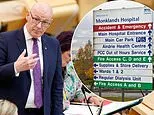
Writing in the Daily Mail, columnist Stephen Daisley mocks Scottish First Minister John Swinney's newly unveiled programme for government, arguing that many of its flagship pledges are recycled promises from previous SNP administrations rather than genuinely new policy. He highlights commitments such as a new Monklands Hospital, closing the poverty-related attainment gap, and a misogyny Bill as having been announced repeatedly by successive SNP leaders including Nicola Sturgeon and Humza Yousaf without being delivered, framing the announcement as an exercise in repackaging old ideas as "reimagined" reform.
The piece also details reactions from opposition politicians, including Scottish Conservative MSP Malcolm Offord, who dubbed it "Groundhog Day" and criticised GP walk-in clinics, a food price cap and free book bags as gimmicks given Scotland's literacy problems, and Scottish Labour's Jackie Baillie, who suggested NHS restructuring plans resembled her own party's earlier proposals. Scottish Green co-leader Gillian Mackay voiced disappointment that the programme omitted a conversion practices ban and stronger action on Israel and Palestine, including boycott legislation, though it does include a Gaza scholarship scheme for Palestinian students.
In short
- Daisley says Swinney's new SNP programme reuses old, unfulfilled promises.
- Rivals branded it "Groundhog Day", citing repeated hospital and NHS pledges.
- Greens criticised missing conversion therapy ban and Israel/Palestine measures.
Steelman: both sides, in good faith
The strongest fair case each way — we don't pick a winner.
The case for
A programme for government can reasonably revisit earlier pledges when they address persistent needs, especially if plans have changed or the government believes it can now deliver them. Supporters could argue that a new hospital, efforts to narrow the attainment gap and measures to improve access to GPs remain worthwhile regardless of when they were first proposed, and that practical steps matter more than novelty.
The case against
Critics can reasonably argue that repeatedly announcing major commitments without delivering them undermines public trust and makes a new programme look like repackaging rather than progress. They may also question whether initiatives such as walk-in clinics, a food price cap or free book bags are adequate responses to entrenched problems, and point to omitted priorities as evidence that the programme falls short.
Explained simply
The Scottish Government sets out its plans in a programme for government, covering areas such as health, education and the economy. The government is led by the Scottish National Party (SNP), with John Swinney as First Minister; opposition parties and the Scottish Greens scrutinise its proposals and call for different priorities.
Several issues in the debate have been long-running commitments, including plans for a new Monklands Hospital and efforts to narrow the gap in school results linked to poverty. Whether such promises lead to action matters to people relying on public services, while the programme also signals which social and international issues the government chooses to address.