SNP and unions set to clash as John Swinney lays out plans for sweeping health board reforms
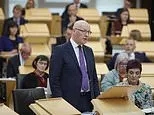
First Minister John Swinney has unveiled sweeping public sector reforms, including cutting Scotland's 14 regional NHS boards down to just two, in what he called the most radical reshaping of public services since devolution began in 1999. The plans, part of a wider overhaul of councils and quangos, have triggered immediate anger from trade unions, who warn of mass job losses and accuse the SNP government of disguising cuts as reform, setting up a bitter confrontation ahead of implementation.
Under the proposals, the mainland will be split into two "strategic" east and west health blocs, while Orkney, Shetland and the Western Isles are expected to merge their health boards with local councils. Swinney claimed the changes would guarantee no patient waits more than 26 weeks for treatment by 2031, and said Scotland's 32 councils would lose control of social care to the NHS, alongside a cull of the country's 135 quangos, all aimed at addressing a projected £4.7billion funding gap. Unions including Unite, Unison and the STUC condemned the plans, with some warning up to 20,000 jobs could be at risk and threatening industrial action.
In short
- Swinney to cut Scotland's 14 NHS boards down to just two
- Councils to lose social care powers to the NHS
- Unions warn of up to 20,000 job losses, threaten action
Steelman: both sides, in good faith
The strongest fair case each way — we don't pick a winner.
The case for
Supporters can argue that Scotland’s fragmented public services need simpler structures to coordinate health and social care, reduce duplication and direct more of a strained budget towards patient care. They may see larger health bodies and fewer quangos as a way to tackle the projected funding gap and make it easier to meet the 2031 waiting-time pledge.
The case against
Critics can argue that merging health boards and shifting social care could disrupt local accountability and services, while savings targets risk becoming cuts to staffing and provision. Unions’ warnings about possible job losses reflect concern that a rapid restructuring could harm workers and patients before it delivers any promised efficiencies.
Explained simply
The NHS in Scotland is organised into 14 regional health boards, which plan and provide services in their areas. Scotland also has 32 councils, responsible for local services including social care, and a range of public bodies known as quangos.
John Swinney is Scotland’s First Minister and leads the SNP government. Health boards, councils and public bodies employ large numbers of people, while unions such as Unite, Unison and the STUC represent many public sector workers.
Changes to these organisations could affect how health and social care are run, as well as jobs and local accountability. The debate also comes amid pressure on public finances and concerns about access to treatment.