Best Amazon Labor Day Deals (2026): Sony, Shark, Anker
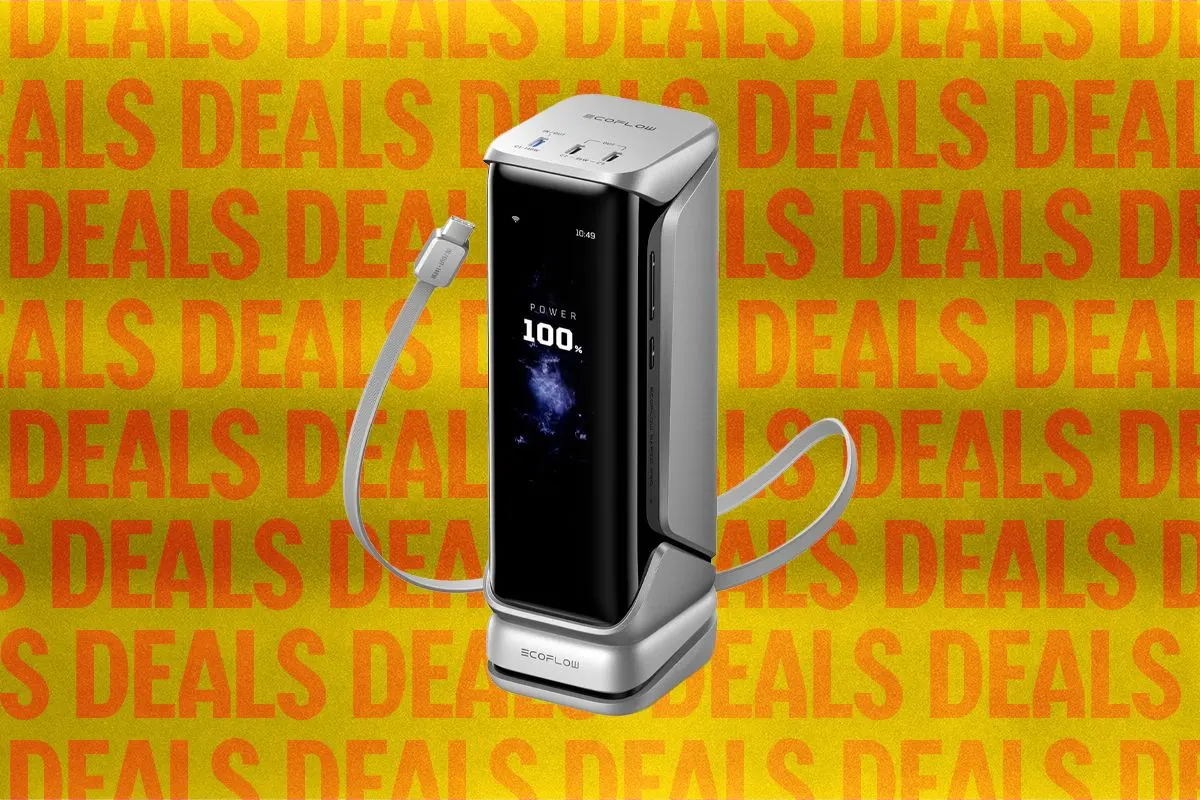
WIRED has rounded up its picks for the best Amazon Labor Day 2026 deals, noting that stock is shifting quickly, with some grills and griddles already sold out ahead of the holiday. The list covers discounted headphones, earbuds, a soundbar, a smart display, a Bluetooth tracker, power banks and kitchen appliances, drawing on WIRED reviewers' prior testing to flag which offers represent genuinely low prices rather than routine markdowns.
Highlights include Sony's WH-1000XM5 headphones at $198 (a record low) and the newer WH-1000XM6 at $60 off, Nothing's Ear (3a) earbuds at $79, the Sonos Arc Ultra soundbar at $899, the latest Amazon Echo Spot at $70, and Apple's second-generation AirTag at $25. Also featured are two laptop power banks—an EcoFlow model with 300W fast charging at $180 and an Anker Prime version with a charging dock at the same price—alongside a discounted Cuisinart air fryer toaster oven, with the article noting deals may sell out before the holiday itself.
- WIRED lists top Amazon Labor Day 2026 deals across tech and home goods.
- Highlights: Sony headphones, Nothing earbuds, Sonos soundbar, Echo Spot, AirTags.
- Stock is moving fast; some items already sold out before the holiday.
New here? Start with this
Amazon Labor Day sales are a US shopping event tied to the September public holiday, when retailers cut prices on a range of products. WIRED is a technology magazine that tests products and compares sale prices with their usual prices to help readers judge whether a discount is worthwhile.
The products in this story include headphones and earbuds for listening, a soundbar for television audio, and smart devices such as Amazon’s Echo Spot display and Apple’s AirTag tracker. It also covers portable power banks and a kitchen appliance, so the offers span electronics and home equipment.
These deals matter to shoppers comparing prices, but sale stock can change or run out. A listed discount alone does not show whether a product suits someone’s needs, so the article draws on earlier product testing as context.