Entertainment news and discussion on TalkFuse.
The 1978 song that made John Lydon abandon Sex Pistols: “It was clear”
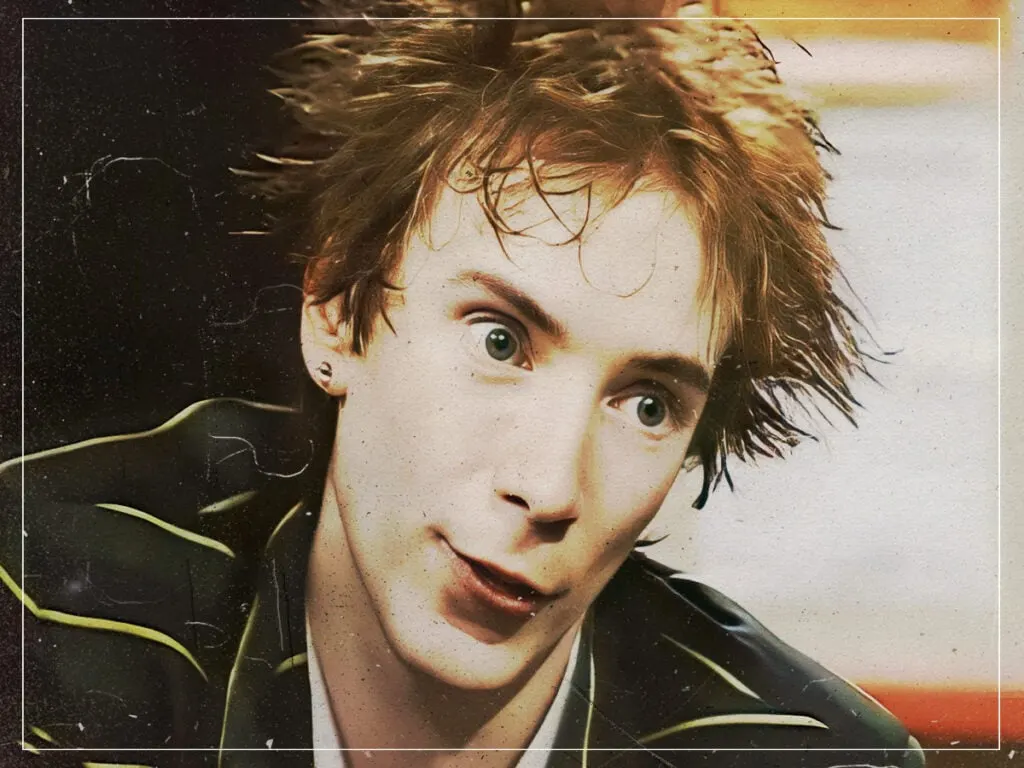
John Lydon has revealed that Public Image Ltd's 1978 debut single, 'Public Image', marked his deliberate break from Johnny Rotten and the Sex Pistols, allowing him to reject the persona and politics that had defined the band. The Sex Pistols, assembled by manager Malcolm McLaren in 1975, ignited London's punk scene and released the landmark album Nevermind the Bollocks, Here's the Sex Pistols, but internal tensions, worsened by Sid Vicious's heroin addiction, led Lydon to quit the group in January 1978 following a show at San Francisco's Winterland Ballroom.
Speaking to Mojo in 2012, Lydon said the new single made clear he no longer needed to "repeat where I stand politically" and could instead focus on personal change, adding that "you can change everything that's wrong with your enemy by changing yourself first." The track represented Lydon distancing himself from McLaren's exploitative publicity tactics and gimmicks, opting instead for a more expansive musical direction with Public Image Ltd, effectively closing the chapter on London's first wave of punk.
In short
- Lydon quit the Sex Pistols in January 1978 amid internal tensions
- Public Image Ltd's debut single signalled his break from Johnny Rotten
- Lydon said the song let him move past punk's political persona
Explained simply
John Lydon, who performed as Johnny Rotten in the Sex Pistols, became a leading figure in British punk in the 1970s. The band was managed by Malcolm McLaren and became known for confrontational performances and songs, as well as disputes among its members.
After leaving the group in 1978, Lydon formed Public Image Ltd, often called PiL. Its music took a different direction from the Sex Pistols, giving him a way to develop beyond the public image and political stance associated with his former band.
The change matters because it marked a shift in Lydon’s career and in the sound of British punk after its first wave. It also reflects a broader question in popular music: how artists can move on from identities that brought them fame.