Sport news and discussion on TalkFuse.
LOVB owner defends WNBA’s Caitlin Clark handling, sees women’s sports as investment opportunity
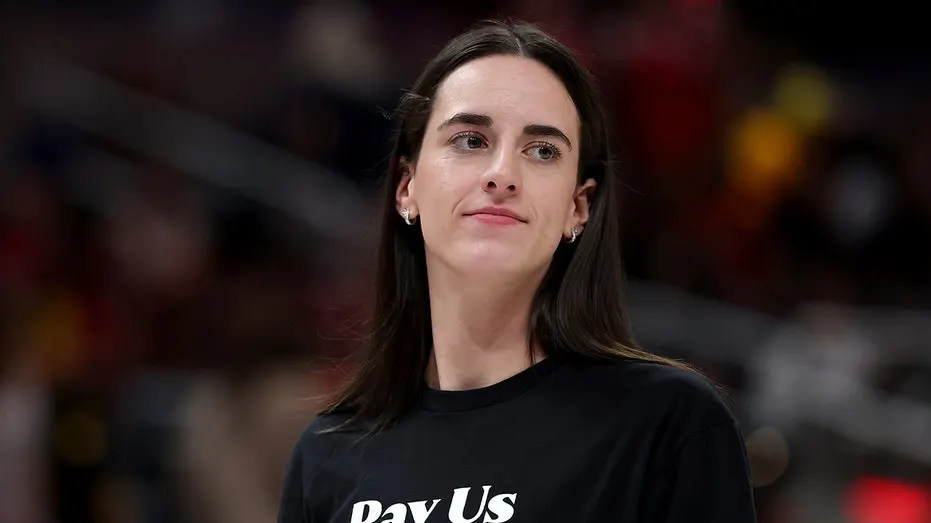
Chantell Preston, an investor in the League One Volleyball (LOVB) league and co-founder of the incoming San Francisco Signal franchise, has defended the WNBA's handling of Caitlin Clark, saying the league has "done a good job" despite some missteps. Her comments come amid ongoing criticism that the WNBA and its broadcast partners have repeatedly downplayed Clark's role in driving record ratings and attendance, including omitting her from promotional graphics and a recent ESPN documentary on the league's growth. The debate matters because it touches on how the WNBA balances promoting its breakout star against showcasing its wider talent pool as it seeks sustained commercial growth.
Preston argued the league should highlight multiple players rather than relying solely on Clark, pointing to examples such as a May promotional graphic and a July ESPN documentary that both sidelined her despite her evident pull with audiences. Fever games have drawn some of the WNBA's biggest audiences of the season, including 3.31 million viewers for a Fever-Sky match on 23 August, the most-watched regular-season game since 1997, and 2.64 million for a Fever-Aces game in July. Preston, who also invests in LOVB, said she spent three years assessing women's sports leagues before investing, framing it as a sound financial opportunity rather than charity.
In short
- LOVB owner Chantell Preston praises WNBA's handling of Caitlin Clark's rise
- Critics say league and broadcasters have downplayed Clark despite record ratings
- Fever games drew up to 3.31 million viewers, the biggest since 1997
Steelman: both sides, in good faith
The strongest fair case each way — we don't pick a winner.
The case for
The WNBA has a reason to promote a range of players: sustained growth depends on building interest in the league as a whole, not tying its appeal to one star. Preston’s view is that the league has generally handled Clark well while trying to showcase its broader talent, and that investment in women’s sport can be justified by its commercial potential.
The case against
Clark’s exceptional audience draw gives the WNBA a strong commercial and journalistic reason to feature her prominently. Repeatedly leaving her out of promotional material or a documentary about the league’s growth can seem out of step with what is bringing new viewers, and may weaken efforts to build on record audiences.
Explained simply
The WNBA is the top professional women’s basketball league in the United States. Caitlin Clark, a guard for the Indiana Fever, has become one of its biggest audience draws, bringing fresh attention to the league and raising questions about how much its promotion should focus on one player.
The debate is part of a wider effort to grow women’s sport while recognising both its star players and the broader range of talent. Chantell Preston is an investor in League One Volleyball and a co-founder of a planned San Francisco team; she has said investment in women’s sport can make financial sense. The discussion matters because leagues and broadcasters are deciding how to turn growing audiences into lasting commercial support.