Entertainment news and discussion on TalkFuse.
4K monitors offer better value and performance for gamers
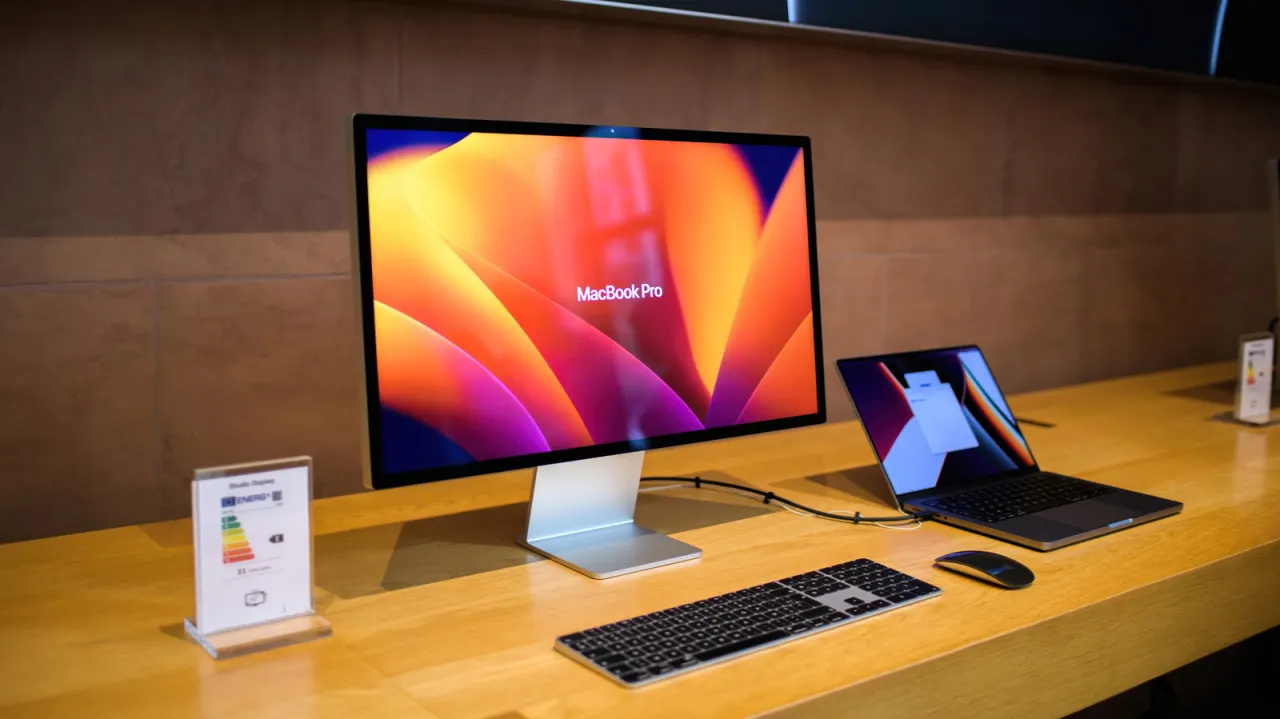
A gaming-focused monitor buying guide argues that despite 5K displays offering a sharper image, 4K remains the better choice for gamers due to superior value, faster refresh rates and lower hardware demands. The piece is aimed at consumers weighing up a new monitor purchase, noting that 5K panels are primarily designed for prosumers such as photographers and video editors rather than gamers.
The article compares 4K (3840 x 2160, roughly 8.29 million pixels, around 35% US market share) with 5K (5120 x 2880, about 14.7 million pixels, 77% more pixels than 4K). It highlights that 5K monitors cost considerably more, with the cheapest model (ASUS ProArt Display PA27JCV) around $650 versus roughly $200 for entry-level 4K screens, and that the fastest 4K panels reach 240Hz refresh rates compared with just 165-180Hz for the quickest 5K displays. It also notes that native 5K gaming demands extremely powerful hardware, such as an Nvidia RTX 5090, whereas 4K gaming can achieve strong results more affordably using upscaling technologies like DLSS and FSR.
In short
- 4K offers better gaming value than 5K despite lower resolution
- 5K monitors cost more and have slower refresh rates
- 5K suits photo/video professionals, not gamers, due to hardware demands
Steelman: both sides, in good faith
The strongest fair case each way — we don't pick a winner.
The case for
For most gamers, 4K offers a more practical balance of cost, speed and image quality: entry-level screens are much cheaper, top models can reach higher refresh rates, and the lower pixel count is easier for graphics hardware to drive. That can leave more of a budget for the computer itself while still delivering a sharp gaming image, with upscaling helping to maintain performance.
The case against
A gamer who values maximum image detail, or also uses a monitor for demanding creative work, could reasonably prefer 5K despite its higher price and hardware demands. Its substantially greater pixel count produces a sharper image, and its fastest panels still offer high refresh rates; buyers with a powerful system and a budget for a premium display may consider those benefits worth the trade-offs.
Explained simply
Gaming monitors display the images produced by a computer or console. Their resolution is the number of pixels on screen: 5K has more pixels than 4K, so it can show finer detail, but the display usually costs more and the computer must work harder to run games at that resolution.
Refresh rate measures how often the screen updates each second. Higher rates can make fast-moving games look smoother, and some 4K monitors update more often than the fastest 5K models. 5K screens are often aimed at people doing detailed photo or video work, while 4K screens are more widely available for gaming.
The choice also depends on the computer’s graphics hardware, which creates each game image. Running a game at 5K can require a very powerful graphics card; tools such as DLSS and FSR can help a computer produce a smoother-looking image at lower resolutions.
Read the full article at the source →
Originally published by Engadget as “Skip the 5K monitor for gaming and go with a 4K instead — here’s why”.