New releases, music videos and album news — indie, rap, rock and pop. Always covering Ren, Chris Webby, Sam Tompkins, bbno$, CHINCHILLA, Muse, Yungblud and more.
The 1950s drummer Stevie Wonder wanted everyone to know: “One of the major forces”
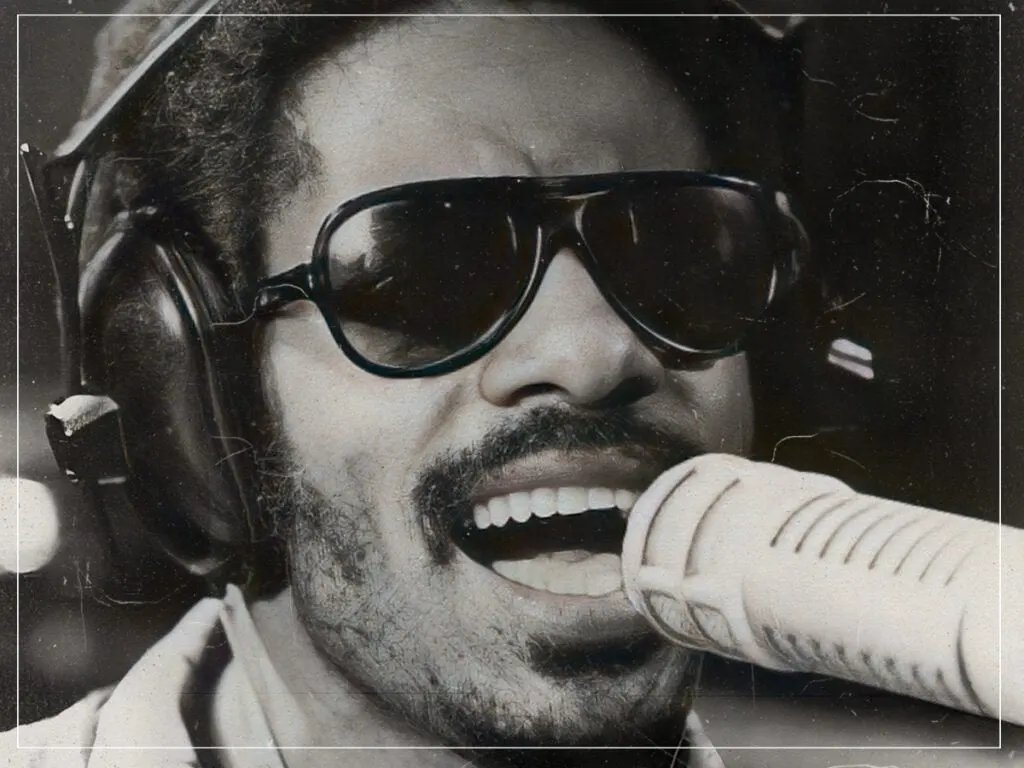
The article recounts how Stevie Wonder repeatedly urged people to remember Benny Benjamin, the original Motown house-band drummer whose playing underpinned many of the label's biggest hits despite his name going largely unrecognised. Wonder felt strongly that session musicians like Benjamin deserved the same recognition as the singers they backed, since their contribution was fundamental to the sound of the records but was rarely credited or celebrated publicly.
Benjamin played drums on classics including The Temptations' "My Girl", Gladys Knight & the Pips' "I Heard It Through the Grapevine", Barrett Strong's "Money (That's What I Want)", Mary Wells' "My Guy", and on Wonder's own "Uptight (Everything's Alright)" and "My Cherie Amour". He died in 1969 aged just 43, and Wonder later lamented that he "died without notice", comparing his talent to that of celebrated drummer Bernard Purdie. The piece notes that documentaries such as Standing in the Shadows of Motown and Muscle Shoals have since helped highlight the unsung session musicians behind many classic recordings.
In short
- Stevie Wonder wanted Motown drummer Benny Benjamin properly recognised
- Benjamin played on hits like "My Girl" and "My Guy"
- He died in 1969, aged 43, largely uncredited
Explained simply
Motown was a Detroit record label whose singers became famous in the 1960s, while many of the musicians who recorded with them remained little known. Benny Benjamin was the label’s original house-band drummer, playing on records by artists including The Temptations, Gladys Knight & the Pips and Stevie Wonder.
Session musicians such as Benjamin helped create the sound of Motown’s hits, but their names were often absent from public attention. Wonder argued that the musicians deserved recognition too, because their playing was central to the records. Benjamin died in 1969, aged 43, and later documentaries have helped bring the work of Motown’s backing musicians to wider notice.