Entertainment news and discussion on TalkFuse.
The 10 Greatest Ultra Low-Budget Horror Movies of All Time
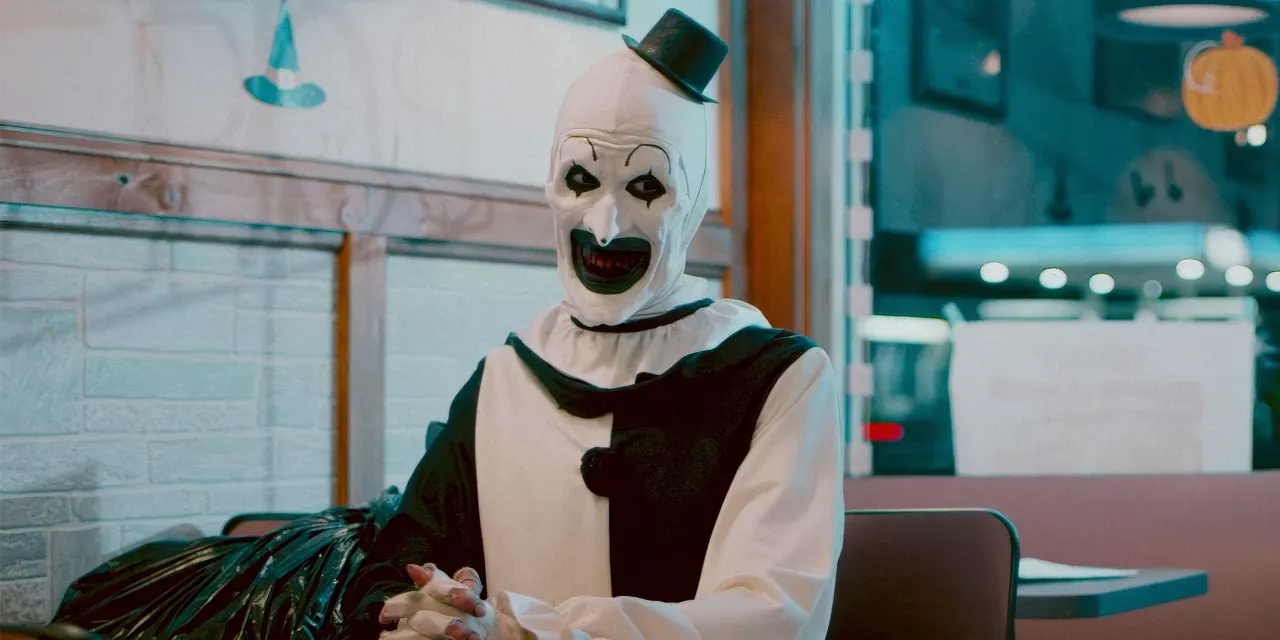
Collider presents a ranked list of the ten greatest ultra low-budget horror films ever made, highlighting how minimal financing has not stopped some movies from achieving cult status or major box-office returns. The piece notes recent examples such as Backrooms and Obsession, which reportedly earned 40 and 400 times their budgets respectively, and frames the list around films made for £150,000 or less as proof that inventive filmmaking can outperform big studio spending.
– Basket Case (1982): shot guerrilla-style in New York for around £30,000, this cult favourite follows a man and his monstrous separated twin seeking revenge.– Eraserhead (1977): David Lynch's surreal black-and-white debut, made piecemeal over several years, blending body horror with dark parenting anxieties.– A further entry from writer-director Justin Benson and co-director Aaron Moorhead is introduced but cut off before further detail is given.– The list references genre landmarks like The Blair Witch Project and Paranormal Activity as benchmarks for low-budget horror success.
In short
- Collider ranks ten of the best ultra low-budget horror films.
- Backrooms and Obsession earned far more than their tiny budgets.
- Basket Case and Eraserhead are among the cult classics featured.
Explained simply
Low-budget horror films are made with limited funding, so filmmakers often rely on small casts, ordinary locations and imaginative effects. Some have found audiences well beyond their original releases, becoming cult favourites or earning far more than they cost to make.
The story refers to films such as Basket Case, shot in New York on a very small budget, and Eraserhead, David Lynch’s independently made first feature. The Blair Witch Project and Paranormal Activity are other well-known examples of horror films whose commercial success drew attention to what limited budgets could achieve.
These films matter because they show how horror can be made outside the usual studio system, while also influencing expectations about the genre. Their approaches range from surreal imagery to stories presented as found footage, a style that makes events seem as though they were recorded by the characters.