Japan halves speed limit to 30km/h on all narrow city streets
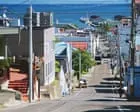
Japan has cut the speed limit from 60km/h to 30km/h on narrow residential roads without centre lines or posted speed signs, in an effort to cut deaths and injuries among pedestrians, particularly children and older people. The new rule, which took effect on Tuesday, covers roughly 870,000km of streets, some 70% of the country's general road network, and reflects growing concern that safety gains seen on larger roads have not been matched on the tight, unmarked streets common in Japan's crowded cities.
Police data cited by the Mainichi Shimbun show pedestrian mortality is under 1% in collisions at or below 30km/h, but rises to 2.7% at 30-40km/h and 17.4% at 50-60km/h. While Japan's overall road death toll fell to a record low of 2,457 last year, fatalities and serious injuries involving children and the elderly on residential roads have stayed around 300 annually since 2021 and rose in 2025 for the first time in three years. A similar "zone 30" scheme introduced in 2011 on selected residential streets and school routes cut deaths and serious injuries by 30%, and police commissioner general Yoshinobu Kusunoki has urged drivers to take extra care on roads shared with pedestrians and cyclists.
In short
- Japan cuts speed limit to 30km/h on narrow, unmarked residential streets
- Change affects about 70% of the country's general roads
- Aims to curb steady toll of deaths among children and elderly
Steelman: both sides, in good faith
The strongest fair case each way — we don't pick a winner.
The case for
A 30km/h limit on narrow, unmarked residential streets could reduce the severity of collisions where pedestrians, cyclists and vehicles share limited space. The case is especially strong for protecting children and older people, given the reported rise in their serious injuries and the earlier Zone 30 scheme’s reduction in deaths and serious injuries.
The case against
A blanket limit across such a large share of the road network may impose slower journeys even on streets where traffic or pedestrian risk is low. A thoughtful critic could argue that targeted limits, street design changes and enforcement focused on the most hazardous locations might protect vulnerable road users while allowing higher speeds where conditions make them safe.
Explained simply
Japan’s roads include a large network of narrow residential streets, many without a centre line or a posted speed limit. These streets are shared by cars, pedestrians and cyclists, including children and older people, who can be especially vulnerable in collisions.
The change forms part of a wider effort to improve road safety. Japan’s overall road deaths have fallen, but serious harm to children and older people on residential roads has remained a concern. An earlier scheme limiting speeds on selected neighbourhood streets was associated with fewer deaths and serious injuries.