Venice Jury Head Maggie Gyllenhaal Calls For Empathy In Politically Charged Times; Addresses Dearth Of Women In Competition: “It’s A Systemic Problem”
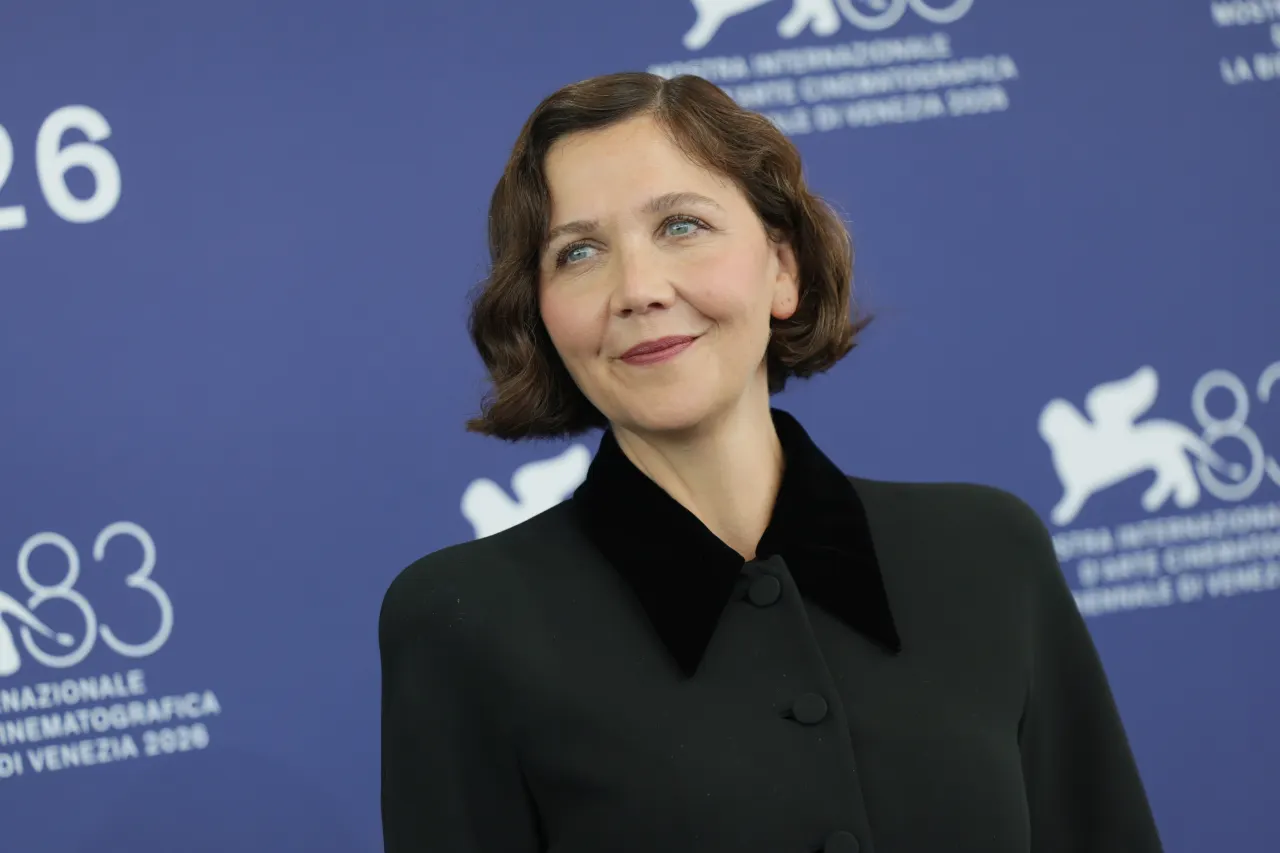
Maggie Gyllenhaal, president of the jury at the 83rd Venice Film Festival, used the event's opening press conference to call for empathy in cinema at a time of heightened political division. Asked whether films should engage with politics, she argued that storytelling inherently opens space for understanding even the most flawed or corrupt characters, and that honest depictions of human experience are "unavoidably political" by nature.
Gyllenhaal also addressed criticism over the small number of women directors, just two, in this year's main competition, describing it as a systemic issue rather than a simple imbalance. She noted that women face greater difficulty securing financing for their films, and suggested that stories reflecting women's distinct experiences of life are often not recognised as "high art" by those who determine artistic value. She is joined on the jury by Kaouther Ben Hania, Daniel Blumberg, Francesco Casetti, Xavier Giannoli, Shahrbanoo Sadat and Johnnie To, while Valérie Donzelli and Carolina Cavalli lead the juries for the Orizzonti and Lion of the Future sections respectively.
In short
- Gyllenhaal opens Venice 83 by championing empathy over political division in film
- She calls the lack of women directors in competition a "systemic problem"
- Cites harder financing access and biased notions of "high art"
Steelman: both sides, in good faith
The strongest fair case each way — we don't pick a winner.
The case for
Cinema can deepen empathy by inviting audiences to understand people whose choices or beliefs they may reject, and stories grounded in real human experience can carry political meaning whether or not that is their stated aim. The low number of women directors may reflect wider barriers to financing and recognition, so addressing those structural patterns could make film culture more open to a broader range of experiences.
The case against
Some may argue that cinema need not be expected to promote empathy or engage with politics: films can be judged chiefly on artistic aims, and audiences can draw their own meanings. They may also caution that a single festival’s gender balance does not by itself establish systemic bias, and that selection should turn on the merits of individual films while any funding barriers are examined separately.
Explained simply
The Venice Film Festival is an annual international film event where films compete for awards, including the Golden Lion, its top prize. The main competition brings together films selected by festival organisers, and a jury watches them and chooses the winners.
The jury is led by a president and includes people from across cinema and the arts. This year, actor and filmmaker Maggie Gyllenhaal is president, alongside six other jurors. Separate juries judge films in sections including Orizzonti, which highlights emerging work, and the Lion of the Future, an award for a debut film.
The number of women directors in a festival’s competition is often discussed as part of wider questions about who gets funding and recognition in film. Financing can shape which projects get made, while decisions about what counts as prestigious art affect which stories receive attention.
Art Culture Government Politics