China has found a new illicit drug market. America must shut it down
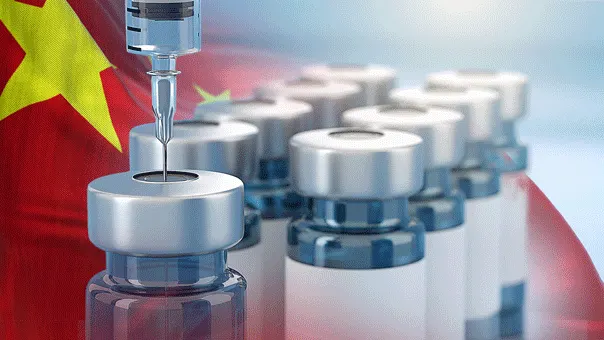
An opinion article published on Fox News warns that Chinese chemical manufacturers are shipping an experimental, non-FDA-approved injectable drug called retatrutide ("reta") directly to American consumers seeking weight-loss treatments. The piece argues this mirrors the fentanyl crisis, in which Chinese suppliers provided precursor chemicals to cartels, and warns that the same illicit infrastructure – customs fraud, concealed shipments and US-based middlemen – is now being repurposed to exploit demand for GLP-1-style weight-loss drugs, raising national security concerns beyond public health.
The article cites blockchain analysis firms Chainalysis and TRM Labs, which reportedly traced proceeds from US peptide sales back to Chinese manufacturers previously linked to synthetic opioid production, and note some of these firms shifting into the "peptide business." It describes vendors disguising retatrutide with coded names such as "GLP-3 RT" and labelling packages "for research use only" while still supplying dosing instructions and syringes. It also references a Customs and Border Protection operation in Cincinnati that seized more than 300 master cartons from China containing roughly 5,000 individual peptide shipments, including retatrutide, and calls for the pipeline to be shut down as a matter of national security rather than treated purely as a pharmaceutical issue.
In short
- Chinese manufacturers allegedly smuggling unapproved weight-loss drug "reta" into the US
- Researchers link peptide sales proceeds to firms previously tied to fentanyl production
- CBP seized thousands of illicit peptide shipments in one Cincinnati operation
Steelman: both sides, in good faith
The strongest fair case each way — we don't pick a winner.
The case for
Treating the supply chain as a national security concern could help disrupt an illicit network before it grows, especially if the same manufacturers and intermediaries have experience evading customs controls for other drugs. Retatrutide is experimental and not FDA-approved, so direct sales with dosing instructions may expose consumers to products of uncertain quality and risks without medical oversight. The reported seizure suggests the trade is already operating at meaningful scale, strengthening the case for coordinated enforcement alongside public-health measures.
The case against
The article’s account may justify enforcement against deceptive or unsafe sales, but comparing the peptide trade to the fentanyl crisis risks overstating what the evidence establishes about scale, harm and links to opioid suppliers. A national security framing could encourage broad crackdowns where targeted customs and consumer-protection action would address the demonstrated concerns more proportionately. Since demand may reflect gaps in access to regulated weight-loss care, enforcement alone could push buyers towards less visible channels without reducing that demand.
Explained simply
Retatrutide is an experimental injectable being studied for weight loss. It has not been approved by the US Food and Drug Administration, so it is not authorised for routine sale as a medicine in the United States. Some online sellers offer it directly to consumers, sometimes with labels saying it is for research.
The reported supply chain links Chinese chemical manufacturers with US-based sellers and buyers. The article says investigators have traced payments from peptide sales to some manufacturers previously associated with chemicals used to make synthetic opioids such as fentanyl. Customs officials have also seized shipments containing thousands of peptide parcels.
The issue sits at the intersection of drug safety, online commerce and efforts to stop illicit shipments. Retatrutide is not fentanyl, but the article argues that methods used to move goods and money in the opioid trade may also be used for unapproved medicines.
Asia Business Health Markets Medicine World