Burnham doubles down on blaming Brexit for UK’s woes at PMQs as he vows to use summit to get closer to Brussels
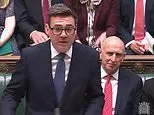
Andy Burnham used his second day as Prime Minister to reinforce his view that Brexit is largely responsible for a "decade of low growth" in the UK, using Prime Minister's Questions to make the case again after first raising it in his Commons debut a day earlier. He said he wanted a closer relationship with the EU, building on work started by his predecessor Sir Keir Starmer, and would press for a better deal for British farming and steel at an upcoming UK-EU summit, prompting some laughter from opposition benches.
The exchange came after Liberal Democrat leader Sir Ed Davey urged Burnham to pursue single market membership, blaming the Conservatives and Reform's Nigel Farage for the "terrible Brexit deal" holding back growth. Burnham agreed with Davey's analysis but stopped short of committing to single market membership, instead pointing to concrete concerns such as new EU steel tariffs, which have cut tariff-free import quotas by 47 per cent to 18.3 million tonnes a year, and the UK's own 51 per cent cut to tariff-free quotas for steel importers. Burnham is also due to host French President Emmanuel Macron in London, with both leaders and their wives joining the King and Queen for a private viewing of the Bayeux Tapestry.
In short
- Burnham again blames Brexit for a "decade of low growth" at PMQs
- Vows to seek closer EU ties on steel and farming at upcoming summit
- Stops short of backing Lib Dems' call to rejoin the single market
Steelman: both sides, in good faith
The strongest fair case each way — we don't pick a winner.
The case for
Brexit may have contributed to the UK’s prolonged weak growth by making trade with its largest nearby market more difficult, so Burnham argues that closer ties with the EU could help businesses and sectors such as farming and steel. Pursuing practical changes at the summit would let the government seek economic benefits while assessing how far closer cooperation can go.
The case against
Weak UK growth has several possible causes, so attributing a decade of poor performance largely to Brexit risks overstating its role and overlooking domestic policy choices and wider economic conditions. Closer EU ties may help some industries, but the government should weigh any concessions against their costs and avoid commitments such as single market membership without a clear case that the benefits outweigh the trade-offs.
Explained simply
Brexit refers to the UK’s departure from the European Union, which changed the rules for trade and cooperation between them. Since then, UK governments have sought to manage the economic effects while deciding how closely to work with the EU.
Andy Burnham is the UK prime minister, and Sir Ed Davey leads the Liberal Democrats. The Conservatives and Nigel Farage’s Reform UK were prominent supporters of leaving the EU; Davey argues that the deal agreed after Brexit has held back growth.
The UK and EU trade in goods such as food and steel, and both sides set rules on imports. Their relationship matters to businesses and workers, while any closer ties can raise questions about how much access the UK should seek and what arrangements it should accept.
Business Celebrity Entertainment Europe Geopolitics Government Markets Politics UK World