World news and discussion on TalkFuse.
Three-year-old dies from HUS after Melbourne petting farm visits
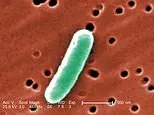
A three-year-old girl has died in a Melbourne hospital after contracting haemolytic uraemic syndrome (HUS), a rare and potentially life-threatening condition, following visits to a petting farm for birthday parties. She spent six weeks in intensive care at Monash Children's Hospital, suffering permanent kidney and brain damage before her death, which her devastated family confirmed via an online fundraiser. A second toddler, a two-year-old boy, was also hospitalised with the same illness after visiting the farm and has since made a full recovery, though he required 17 days of dialysis and two blood transfusions.
HUS can be triggered by Shiga toxin-producing E. coli (STEC), bacteria carried in animals' gastrointestinal tracts that can spread to humans through contact with contaminated faeces, causing symptoms such as bloody diarrhoea and vomiting. Victoria has recorded more than 160 STEC infections so far this year, a rise health officials attribute partly to improved testing and reporting. There is no evidence of wrongdoing by the unnamed farm, though Victoria's Department of Health has advised it to add handwashing stations and display infection risk warnings, while the boy's mother has called for petting farms to improve hygiene information for visitors.
In short
- Melbourne toddler dies after contracting HUS linked to a petting farm
- Second toddler hospitalised with same illness has fully recovered
- Victoria has seen over 160 E. coli infections this year, prompting hygiene warnings
Steelman: both sides, in good faith
The strongest fair case each way — we don't pick a winner.
The case for
Petting farms offer children a valuable chance to encounter animals, and the reported cases do not establish that the farm acted wrongly. Requiring clearer warnings and practical hygiene measures, such as accessible handwashing, could help families make informed choices and reduce infection risks while keeping these visits available.
The case against
Because young children may not understand or reliably follow hygiene advice, venues with animal contact should face strong precautions and clear, prominent warnings even when no wrongdoing has been established. After severe illness linked to visits, families can reasonably argue that current information and safeguards may not be enough to let parents judge the risks or protect children.
Explained simply
Haemolytic uraemic syndrome (HUS) is a rare, serious illness that can damage the kidneys and other organs. It can develop after infection with a type of E. coli bacteria that produces Shiga toxin; the bacteria may spread from animal faeces to people through contaminated hands or surfaces.
Petting farms let visitors, including young children, get close to animals. Because bacteria can be present even when animals appear healthy, handwashing and clear hygiene advice are important ways to reduce the risk of infection.
Victoria’s Department of Health oversees public health advice in the state of Victoria, where Melbourne is located. The cases have drawn attention to how visitors are warned about infection risks and given opportunities to wash their hands at animal farms.
Read the full article at the source →
Originally published by Daily Mail as “Child dies after contracting infection linked to Melbourne petting zoo – as another toddler suffers kidney damage”.