Video games news, releases, esports and culture — all the biggest gaming stories in one place.
How the time system works in The Blood of Dawnwalker.
Developed over time first seen 2 months ago
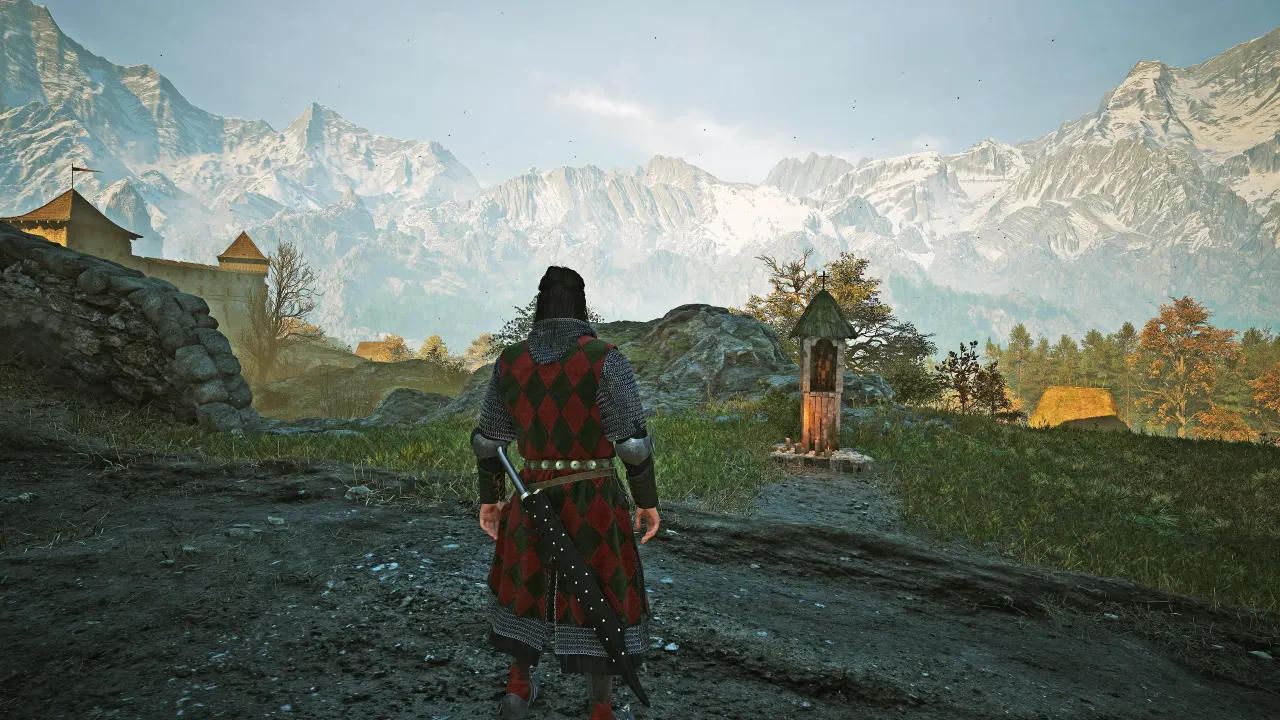
The Blood of Dawnwalker uses a distinctive time system rather than the real-time clocks common in open-world games, and a guide has now set out fully how it works. Players have 30 in-game days, split into day and night segments, to prepare protagonist Coen before a climactic confrontation with Brencis, with actions such as quests, combat and skill upgrades consuming a limited pool of "time segments" as a kind of spendable currency.
Each day and night is divided into eight segments, giving 480 segments across the full 30-day countdown, and the game always states a segment cost before an action is taken. Time of day also reshapes the world and Coen himself: shops close and streets empty at night, some quests are restricted to day or night and marked with a sun or moon icon, and Coen gains vampiric powers such as blood-draining and the Shadowstep ability after dark, while by day he relies on witchcraft instead. Players can freely explore without spending segments, can deliberately skip time forward at shrines, and must watch for quests marked with a clock icon, which expire if left too long.
- Sources
- 2
- Outlets
- 2
- Left · Centre · Right
- 0 · 0 · 0
In short
- The Blood of Dawnwalker runs on a 30-day, segment-based time system, not real-time.
- Quests, combat and skill upgrades cost time segments; exploring alone does not.
- Day and night change the world and give Coen different vampire or witchcraft abilities.
How this story developed
- 2 months ago Additional detail has emerged on The Blood of Dawnwalker's time system, clarifying how the day/night cycle and timed content interact with the game's 30-day countdown.
- 2 months ago The Blood of Dawnwalker uses a distinctive time system rather than the real-time clocks common in open-world games, and a guide has now set out fully how it works.
- 2 months ago The Blood of Dawnwalker uses a distinctive time system that turns every player decision into a strategic trade-off, since time only advances when the player takes specific actions rather than passing automatically as in most open-world games.
Explained simply
Vampire survival RPG The Blood of Dawnwalker asks players to balance exploration and combat against a strict deadline, with the story unfolding over a fixed 30-day period. Actions such as questing, fighting and upgrading skills eat into a limited pool of "time segments," while simply wandering the world costs nothing, so managing that budget is central to how the game plays.
The lead character, Coen, is part-vampire, and the passing of day and night changes both the world around him and what he is capable of. By day he uses witchcraft, while at night he gains stronger vampiric powers, and towns and quest availability shift depending on the time, adding a layer of planning on top of the countdown.
Developer Rebel Wolves, staffed by veterans of The Witcher series, has been gradually revealing how the game's systems fit together ahead of release, with this latest information focused specifically on how the clock, the calendar and the story's central villain, Brencis, are all tied together.