Entertainment news and discussion on TalkFuse.
Should Hollywood Embrace Religion? Young Audiences Crave Complex Spiritual Characters and Plotlines That Challenge Faith, New Study Shows
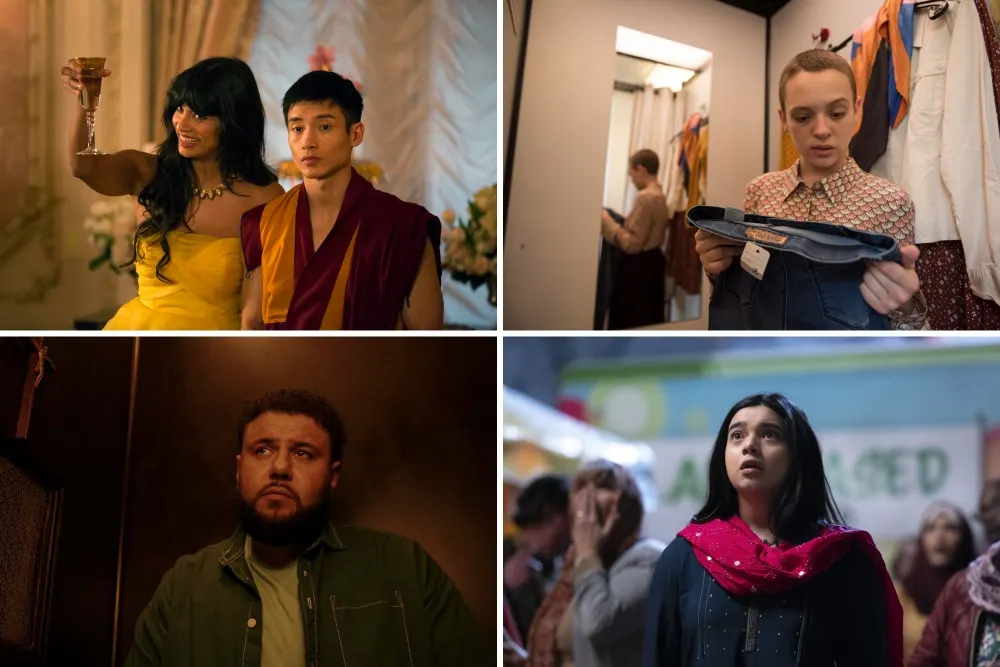
A new study by UCLA's Center for Scholars & Storytellers (CSS) suggests Hollywood could better engage young audiences by portraying religion and spirituality in more realistic, nuanced ways rather than relying on stereotypes. Researchers surveyed over 2,000 people aged 14 to 24 and found many were sensitive to how their beliefs were depicted on screen, wanting stories that grapple honestly with faith rather than offering "performative" or glossy portrayals. Study author Yalda T. Uhls, a UCLA psychology professor and former studio executive, says the findings point to a significant commercial opportunity, with executives from Netflix, Amazon, NBC and Lionsgate reportedly exploring the space.
Respondents cited films and series they felt handled faith well, including "Wake Up Dead Man: A Knives Out Mystery", "Over the Moon", "Bend It Like Beckham", "Mo", "The Good Place", "Ms. Marvel" and "Avatar: The Last Airbender". Uhls also highlighted Netflix's "Unorthodox", about a woman leaving an Orthodox Jewish community, as impactful despite backlash from some religious viewers, arguing that authenticity matters more than reverence. The findings were presented at CSS's Future of Faith event on 5 August, where Oscar-winning screenwriter Dustin Lance Black, known for "Milk" and "Under the Banner of Heaven", spoke about drawing on his own experience leaving the Mormon faith to inform more truthful storytelling.
In short
- UCLA study finds young audiences want authentic, complex religious storytelling
- Over 2,000 people aged 14-24 surveyed on faith representation in media
- Studios including Netflix and Lionsgate reportedly exploring more spiritual content
Steelman: both sides, in good faith
The strongest fair case each way — we don't pick a winner.
The case for
Hollywood has reason to tell more nuanced stories about religion: the study suggests young audiences value characters whose faith shapes them in complex, believable ways, and such portrayals may reach viewers who feel underserved by stereotypes or glossy depictions. Drawing on varied experiences, including doubt and departure from a faith community, could also make stories more emotionally honest and commercially engaging.
The case against
Filmmakers should be cautious about treating a survey as proof of broad demand or as a mandate to make religion a stronger focus of entertainment. Depictions that creators consider authentic can still feel reductive or unfair to people within the traditions shown, while prioritising commercial appeal may turn sacred beliefs into a marketable theme; care, research and room for different viewpoints therefore matter.
Explained simply
Religion and spirituality shape how many people understand family, community and personal identity. On screen, these subjects can involve different beliefs and traditions, as well as questions about doubt, belonging and change.
The UCLA Center for Scholars & Storytellers studies how stories affect young people. Its researchers surveyed people aged 14 to 24 about portrayals of faith, while filmmakers such as screenwriter Dustin Lance Black have drawn on personal experience to tell stories about religious life.
The discussion matters to writers and studios seeking to connect with younger audiences, and to viewers who may recognise their own beliefs or communities in these stories. Portrayals can draw on religious traditions while also examining tensions within them.
Entertainment Film Research Science