Business news and discussion on TalkFuse.
Cold wallets keep cryptocurrency private keys offline for security
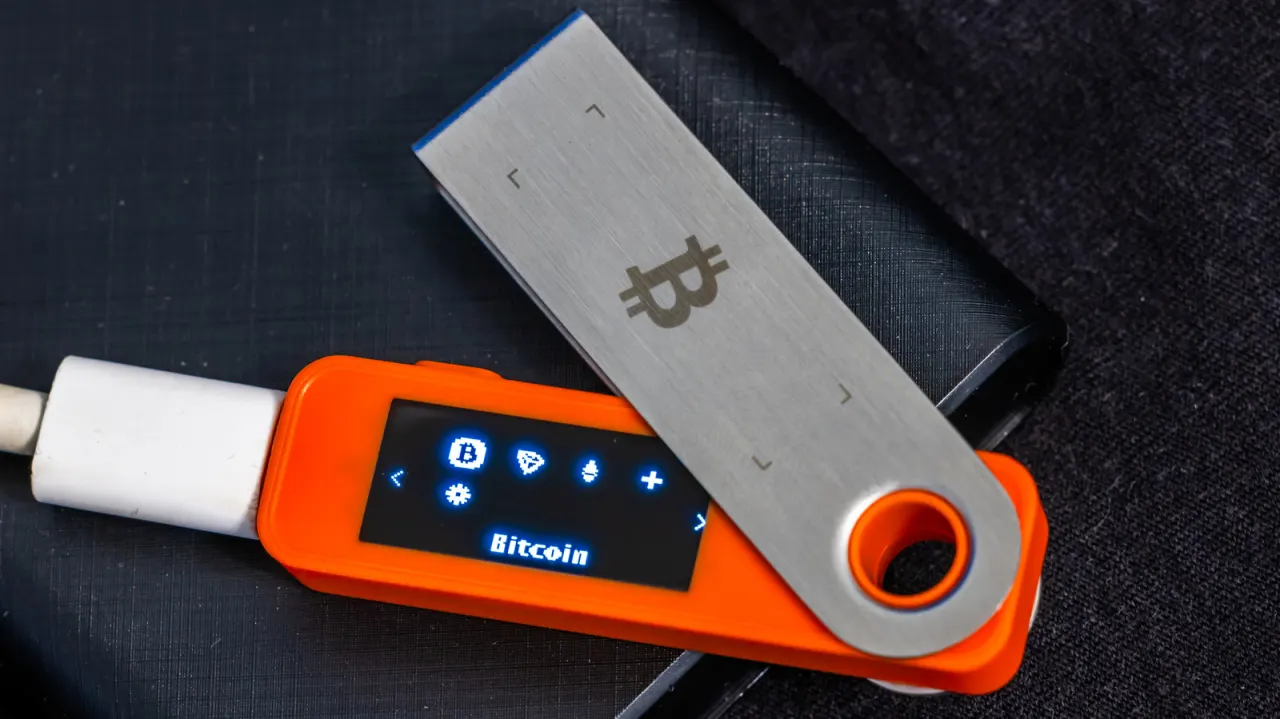
Cold wallets offer a more secure way to store cryptocurrency by keeping private keys completely offline, protecting them from hackers who target internet-connected devices. As trading platforms continue to suffer security breaches, more crypto holders are turning to self-custody methods, and cold wallets are considered the most secure option because they physically isolate the cryptographic keys needed to access blockchain assets from any online device.
Unlike hot wallets, which run on internet-connected apps, cold wallets such as hardware devices or paper wallets never expose private keys to a connected phone or computer. Hardware wallets sign transactions internally, displaying details on their own screen for manual confirmation before sending the approved data back to a companion app, meaning malware on a linked device cannot steal the keys. These devices also require a PIN to unlock and wipe their storage after a few incorrect attempts, offering protection even if the hardware itself is stolen.
In short
- Cold wallets keep crypto private keys entirely offline for security.
- Hardware wallets sign transactions internally, never exposing keys to connected devices.
- PIN protection and auto-wipe features guard against theft of the device.
Steelman: both sides, in good faith
The strongest fair case each way — we don't pick a winner.
The case for
Cold wallets reduce exposure to online attacks by keeping private keys offline, which can be valuable when exchanges and connected devices are breached. For people who want direct control of their assets, hardware wallets can add safeguards such as transaction confirmation on the device and PIN protection.
The case against
Self-custody shifts responsibility to the holder: if a recovery phrase or device is lost, damaged or mishandled, access to funds may be difficult or impossible to restore. Cold wallets also do not remove every risk, since users can be tricked into approving a transaction or exposing recovery details, and they may be less convenient for frequent trading.
Explained simply
Cryptocurrency is controlled through digital records on a blockchain, and a private key is the secret code that lets someone authorise transfers from an account. A crypto wallet stores or manages these keys; it does not hold coins in the way a physical wallet holds cash.
A hot wallet keeps its keys on an internet-connected device or service, while a cold wallet keeps them offline, often on a dedicated hardware device. People can manage their own keys directly, known as self-custody, or rely on a trading platform to hold them.
Keeping keys offline can reduce the risk of online theft, but it also means the owner must protect the device and any recovery information. If the keys or recovery details are lost, access to the cryptocurrency may be lost too.
Business Crypto Cybersecurity Technology
Read the full article at the source →
Originally published by Engadget as “What is a cold wallet and how does it work?”.