Kemi vows to slash the benefits bill to boost defence as she piles pressure on Burnham
Developed over time first seen 2 months ago
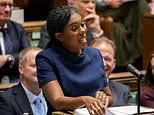
Kemi Badenoch has pledged to raise UK defence spending to 3% of GDP by the end of the decade, funded by a £10billion package of welfare cuts, in a move that piles pressure on the Government to match her commitment. The intervention comes as Sir Keir Starmer and new Chancellor John Healey face growing criticism over their reluctance to set a firm timetable for reaching the 3% target, despite Healey himself resigning as defence secretary in June over the issue and warnings from UK intelligence that Russia could attack a Nato country by 2030.
Badenoch's savings plan includes at least £4billion a year from welfare reform and restoring the two-child benefit cap, which she says would fund the accelerated defence investment. Under current Labour plans, spending would only rise from 2.6% of GDP next year to 2.7% by 2030, far below Germany's projected 3.5% and Poland's existing 4.7%. Andy Burnham was challenged in the Commons by Labour's own defence committee chairman, Tan Dhesi, over "kicking the can down the road", and Downing Street later confirmed Burnham's actual commitment is a looser 3.5% target by 2035, not 2030.
- Badenoch pledges £10bn welfare cuts to fund 3% defence spending by 2030
- Burnham accused by own MP of dodging defence spending commitments
- Labour's real target is 3.5% by 2035, far slower than Tories propose
New here? Start with this
UK defence spending is measured as a share of the country’s economic output, or gross domestic product (GDP). The UK is a member of Nato, the military alliance whose members agree to defend one another, and its allies are debating how much each country should spend as security concerns grow.
Kemi Badenoch leads the Conservative Party, while Keir Starmer leads the Labour government. Welfare spending supports people through benefits, including families with children; changing those payments can affect household incomes as well as public finances.
The dispute is about how quickly the UK should increase defence spending and where the money should come from. It matters because the decision affects military plans, public services and the government’s choices about taxation and support for households.
Both sides, in good faith
The strongest fair case each way — we don't pick a winner.
The case for
A firm 3% defence target by 2030 could strengthen deterrence and give the armed forces and industry a clearer basis for planning, especially amid warnings about Russian threats and higher spending by European allies. Supporters of Badenoch’s plan may argue that welfare reform and restoring the two-child cap can release money for this urgent priority while pressing the Government to set a credible timetable.
The case against
Defence commitments should be matched by a credible assessment of the threats, the forces required and the long-term cost, rather than a headline target that may not translate into effective capability. Critics may argue that welfare cuts, including restoring the two-child cap, would place significant costs on lower-income families, and that the Government should weigh those effects against defence needs and other public spending before committing to a faster timetable.
Full account
Kemi Badenoch has said the Conservatives would seek to raise defence spending to 3% of GDP by the end of the decade, funding the increase through reductions in welfare spending and by restoring the two-child benefit cap. She put the value of the savings package at £10 billion and argued that defence should take priority amid heightened international security concerns. Her intervention was presented as an attempt to challenge Andy Burnham and Chancellor John Healey to set out a clearer timetable for higher military expenditure.
The reports say Labour has not committed to Badenoch’s proposed timetable. In an exchange in the Commons, Labour defence committee chair Tan Dhesi urged the Prime Minister to establish a route to spending 3% of GDP on defence by 2030, warning that a delay until the next comprehensive spending review would be inadequate. Downing Street was reported to have maintained a broader ambition of 3.5% by 2035, rather than a firm 3% target by 2030.
Badenoch also used Prime Minister’s Questions to attack Burnham’s wider approach to public spending. She accused him of accepting too many demands from Labour colleagues and said the Government needed to control the welfare bill. Burnham did not rule out tax rises at the forthcoming Budget, according to the second report, but said he wanted welfare spending to fall and pointed to the number of young people outside education, employment and training as an issue he wanted to address.
The argument is taking place against concern over the public finances. The second report says gilt yields rose as investors questioned the Government’s fiscal strategy, while global pressures including conflict involving Iran, inflation and uncertainty around technology markets were also increasing borrowing costs. It cites warnings that the Chancellor could need to raise taxes or find savings at the Budget. Taken together, the reports frame Badenoch’s defence proposal as part of a larger dispute over whether welfare restraint, tax rises or other measures should bear the cost of higher spending commitments.
Where outlets differ
Source 1 concentrates on defence policy, Badenoch’s proposed welfare savings and pressure for a 3% defence target by 2030. Source 2 focuses more heavily on fiscal-market concerns, possible Budget measures and Badenoch’s criticism of Burnham’s general spending stance.
Source 1 highlights Tan Dhesi’s intervention and the distinction between a 3% target by 2030 and a reported 3.5% ambition by 2035. Source 2 instead foregrounds gilt yields, mortgage-rate warnings and commentary from Jim O’Neill.
Both reports use strongly evaluative language in places; this account treats those descriptions as political criticism rather than established fact.
More coverage
- Daily Mail — Kemi Badenoch roasts 'spendthrift people-pleaser' Burnham over refusal to curb benefits at first PMQs – as he faces mounting markets crisis
- Daily Mail — Kemi Badenoch warns 'conflict is coming' as she vows to use major benefit clampdown to get Britain war ready – and tells Burnham to call an election if he can't do the same