MAGA begins to crack as 2026 GOP roster backs away from Trump’s tech vision
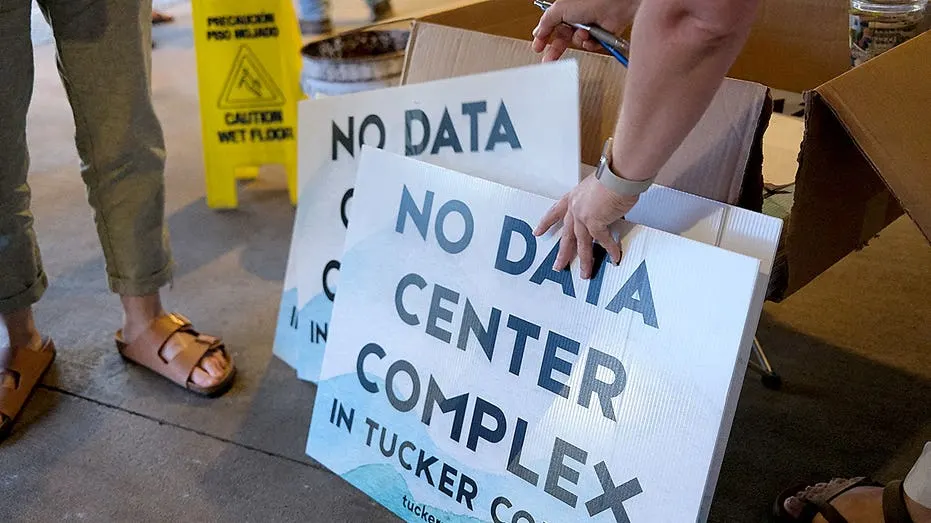
A growing number of Republican candidates in this year's US midterm elections are distancing themselves from President Donald Trump's enthusiastic backing of AI data centre expansion, as polling shows most Americans oppose the facilities being built in their communities. Trump has continued to champion the industry, arguing it brings jobs and prosperity, but GOP strategists warn the issue has become politically damaging, prompting several candidates to call for pauses, moratoriums or new restrictions on data centre development.
A Fox News poll found 70% of voters want to slow data centre construction, with only 40% of Republicans and 46% of "MAGA" Republicans in favour, amid concerns over rising electricity costs and strain on energy and water supplies. Candidates shifting stance include Michigan Senate nominee Mike Rogers, who now backs a one-year moratorium; Ohio Senate hopeful Jon Husted, under attack from Democrat Sherrod Brown over the issue; and gubernatorial candidates Vivek Ramaswamy in Ohio, Tom Tiffany in Wisconsin and Stacy Garrity in Pennsylvania, all of whom have proposed halts or tighter conditions. Texas figures Ken Paxton and Greg Abbott have also acted to curb growth, while Byron Donalds has instead proposed requiring data centres to generate their own power and water rather than banning them outright.
- Republican midterm candidates increasingly break from Trump on AI data centres
- Polls show 70% of voters want data centre construction slowed
- Several GOP nominees back moratoriums citing energy costs and water use
New here? Start with this
Data centres are large buildings full of computers that store information and run online services, including artificial intelligence. They need substantial amounts of electricity and water, and their expansion has raised questions about local costs and pressure on utilities.
President Donald Trump has supported building more data centres, arguing they can bring jobs and economic growth. Republican candidates in the 2026 midterm elections are weighing that position against concerns among voters about energy bills and local resources.
Among those taking different approaches are Senate candidates Mike Rogers in Michigan and Jon Husted in Ohio, and governor candidates including Vivek Ramaswamy, Tom Tiffany and Stacy Garrity. Their proposals range from temporary pauses and tighter rules to requiring facilities to provide their own power and water.
Both sides, in good faith
The strongest fair case each way — we don't pick a winner.
The case for
Advocates of continued rapid data centre expansion argue that America's lead in artificial intelligence is a strategic and economic imperative, and that the infrastructure powering it should not be throttled by short-term local objections. They point to the jobs, tax revenue and private investment these facilities bring to host regions, and warn that pausing or banning them risks ceding technological ground to rivals such as China. On this view, rising energy costs and grid strain are real but solvable problems, best addressed through targeted investment in generation and efficiency rather than moratoriums that could deter the capital needed to build that very infrastructure.
The case against
Sceptics of unchecked expansion argue that ordinary households should not bear higher electricity bills or face strained water supplies so that large technology firms can build power-hungry facilities in their communities. They see the surge in local opposition, reflected across party lines, as a legitimate response to tangible costs imposed on residents with little say in the decision, and argue that elected representatives are right to demand safeguards such as requiring developers to supply their own power and water. Proposals for pauses or tighter conditions, on this view, are not anti-growth but a reasonable insistence that development proceed without shifting its costs onto local ratepayers and the environment.