Kenyan president orders crackdown on foreigners operating small businesses
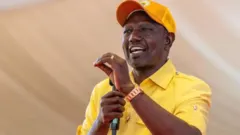
Kenya's President William Ruto has ordered foreign nationals to shut down small-scale businesses such as hawking and street trading from next week, and pledged to fast-track legislation barring foreigners from certain sectors of trade. The move follows growing tension over the role of African migrants in Kenya's informal economy, with Ruto arguing that foreign investors, including Chinese traders, should be creating jobs and boosting production rather than competing with Kenyans in small enterprises.
Kenya hosted roughly 857,000 registered refugees and asylum seekers as of the end of June, nearly 14% of them living in urban areas, and refugee law allows them to work with appropriate permits, though it remains unclear how many traders will be affected by the crackdown. Migrants from the region are commonly found in barbering, construction, motorbike taxis and street vending, and resentment has flared before, notably in July when a Kenyan man's confrontation with a Burundian trader in Nairobi went viral. The announcement, made ahead of Ruto's re-election bid next year, comes amid broader anti-migrant sentiment across Africa, including a wave of protests and voluntary repatriations among African migrants in South Africa.
In short
- Ruto orders foreign hawkers and small traders to close from next week
- Legislation to bar foreigners from certain trades will be fast-tracked
- Move follows rising tension over migrants in Kenya's informal economy
Steelman: both sides, in good faith
The strongest fair case each way — we don't pick a winner.
The case for
Supporters could argue that small-scale trading is an important source of livelihoods for Kenyan citizens, and that reserving some sectors for them may protect local jobs and ease pressure in an already strained informal economy. They may also say that foreign investors can contribute more by creating employment and expanding production than by competing directly with small local traders, provided any restrictions are clearly defined and fairly enforced.
The case against
Critics could argue that a broad crackdown risks treating migrants as a threat without evidence about how many traders are affected or what their economic impact is, while undermining livelihoods and lawful work rights for refugees and other migrants with permits. They may also warn that singling out foreign traders can encourage xenophobia, disrupt useful economic activity and distract from deeper causes of unemployment and hardship.
Explained simply
Kenya’s informal economy includes small businesses such as street vending, hawking and barbering, alongside work in construction and transport. Migrants from neighbouring countries also work in these trades, while Kenya hosts hundreds of thousands of refugees and asylum seekers; those with the required permits are allowed to work.
President William Ruto has argued that foreign investors should create jobs and increase production rather than compete with Kenyans in small-scale trade. Tensions over migrants’ role in the informal economy have surfaced before, including a widely shared confrontation between a Kenyan man and a Burundian trader in Nairobi.
The issue touches on livelihoods, refugees’ right to work and the rules governing who can trade in Kenya. Similar anti-migrant tensions have also appeared elsewhere in Africa, including protests and repatriations involving African migrants in South Africa.
Africa Business Government Markets Politics World