Russian nuclear bomber commander who ordered strike on Ukrainian children’s hospital ‘fights for life after being shot in the head in drive-by’
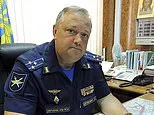
A senior Russian air force commander accused of ordering deadly strikes on Ukraine, including a children's hospital, has been left in critical condition after being shot in an apparent assassination attempt near his home in Russia. The attack fits a pattern of recent shootings and bombings targeting high-ranking Russian military and intelligence officials, several of which have been linked to Ukrainian intelligence operations.
Maj. Gen. Nikolai Varpakhovich, 56, commander of Russia's 22nd Heavy Bomber Aviation Division, was shot twice in the face and abdomen by a helmeted gunman on a motorcycle outside his house in the village of Probuzhdeniye. He is now being flown to Moscow for further treatment. Ukraine's SBU security service has accused him of ordering the July 2024 missile strike on Kyiv's Okhmatdyt children's hospital, which killed two people, as well as a 2022 strike on an Odesa apartment block that killed eight, including a baby. The EU has also sanctioned him over the hospital attack. The shooting follows other attacks on senior Russian figures, including the wounding of GRU deputy chief Vladimir Alekseyev in February and the killings of three other lieutenant-generals in bombings since December 2024.
In short
- Russian bomber commander shot, critically wounded near Moscow
- He was accused of ordering Kyiv children's hospital strike
- Follows string of attacks on senior Russian military officials
Steelman: both sides, in good faith
The strongest fair case each way — we don't pick a winner.
The case for
Supporters of targeting a commander accused of ordering lethal attacks on civilians may argue that senior officers who direct such operations bear personal responsibility and can remain legitimate military targets during an armed conflict. They may also see disrupting the command structure as a way to impede further attacks, while stressing that the allegations should be assessed through reliable evidence and applicable laws of war.
The case against
Critics may argue that an apparent shooting near a person’s home is an extrajudicial attack, bypassing evidence, due process and any formal determination of responsibility. Even grave allegations do not remove the need to distinguish lawful military action from political violence; such attacks can also invite retaliation and further endanger civilians.
Explained simply
Russia’s 22nd Heavy Bomber Aviation Division is a military unit that operates long-range aircraft used to carry out missile strikes. Its commander, Maj. Gen. Nikolai Varpakhovich, has been accused by Ukraine’s security service of ordering attacks that killed civilians, including a strike on Kyiv’s Okhmatdyt children’s hospital in 2024.
The hospital is one of Ukraine’s largest children’s medical centres. The attack killed two people and drew international condemnation; the European Union later imposed sanctions on Varpakhovich over his alleged role. Russia and Ukraine have accused each other of responsibility for attacks during the war, so claims about who ordered a strike may be disputed.
In recent years, several senior Russian military and intelligence figures have been killed or wounded in shootings and bombings. Some of these attacks have been linked to Ukrainian intelligence, though responsibility is not always publicly established. The incidents matter because they show that the war’s effects have reached officials inside Russia as well as people and institutions in Ukraine.