World news and discussion on TalkFuse.
Mamdani gives influencers special access as Signal use raises records-law questions
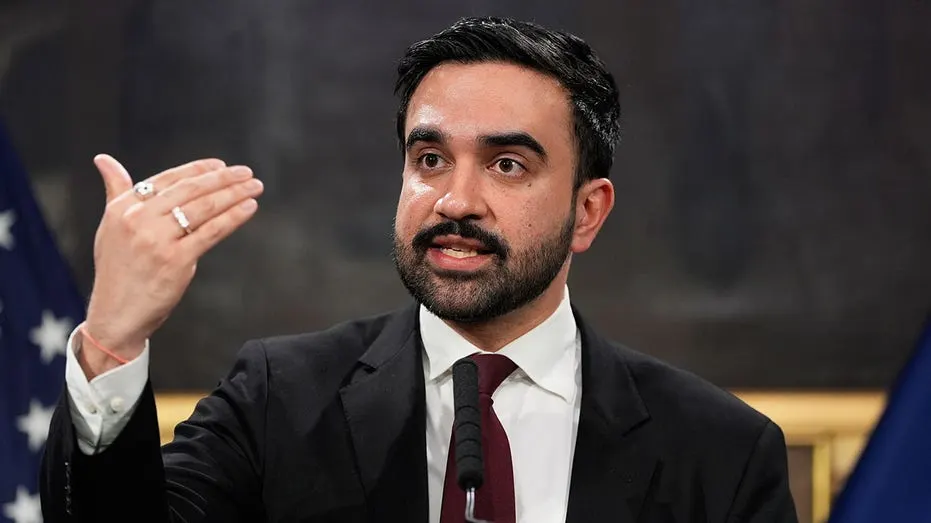
An investigation by the Columbia Journalism Review has found that New York City Mayor Zohran Mamdani's administration gives roughly 200 social media influencers privileged access to City Hall messaging via an encrypted Signal group chat, which they use to promote municipal programmes online. The arrangement has raised questions about compliance with city record-keeping laws, since Signal offers a disappearing-messages feature and it is unclear whether it is switched on for the group, potentially allowing official communications to be deleted rather than archived as required.
The Signal group, called "NYC Creators Announcements," grew out of Creators4Zohran, a network that backed Mamdani's 2025 mayoral campaign, and is run by Emilia Rowland, the city's director of new media and cultural communications, whose team shares daily talking points and clips for influencers to repost on topics such as voting, healthcare, immigration, tenants' rights and composting. The city itself does not pay participants, though some receive between $5,000 and $20,000 per campaign from marketing firms contracted by city agencies. Mamdani, asked whether the practice breaches record-keeping rules, said his administration would "strive to fully comply" with legal requirements and would take corrective action if any shortfalls were found, adding that reaching residents through content creators was part of communicating with New Yorkers across all channels.
In short
- Mamdani's team runs a Signal group briefing ~200 influencers on city messaging
- Signal's disappearing-messages feature raises city records-law compliance concerns
- Influencers get $5,000–$20,000 per campaign from city-contracted marketing firms
Steelman: both sides, in good faith
The strongest fair case each way — we don't pick a winner.
The case for
Using social media creators can help City Hall reach residents who may not follow official channels, and sharing accurate programme information may make public services more accessible. If the group’s messages are properly archived and participation is voluntary, the arrangement can be seen as a practical communications tool rather than a substitute for formal government records.
The case against
Giving a selected group privileged access to official messaging risks blurring the line between public communications and political influence, particularly when some participants are paid by firms working for city agencies. Residents and journalists have a legitimate interest in whether official discussions are preserved as required, and the city should ensure that encrypted messaging does not undermine transparency or equal access to information.
Explained simply
New York City’s mayor is Zohran Mamdani, whose administration uses social media creators to share information about city services and programmes. The creators are part of a Signal group that grew out of a network supporting his 2025 mayoral campaign.
The city’s director of new media and cultural communications runs the group and shares material for creators to post on topics including healthcare, housing and composting. The city does not pay them directly, though some creators receive fees from marketing firms working for city agencies.
New York rules require official communications to be kept as public records. Signal can be set to make messages disappear, so its use raises questions about whether messages in the group are being preserved as required.