Tesla starts offering Cybercab robotaxi rides
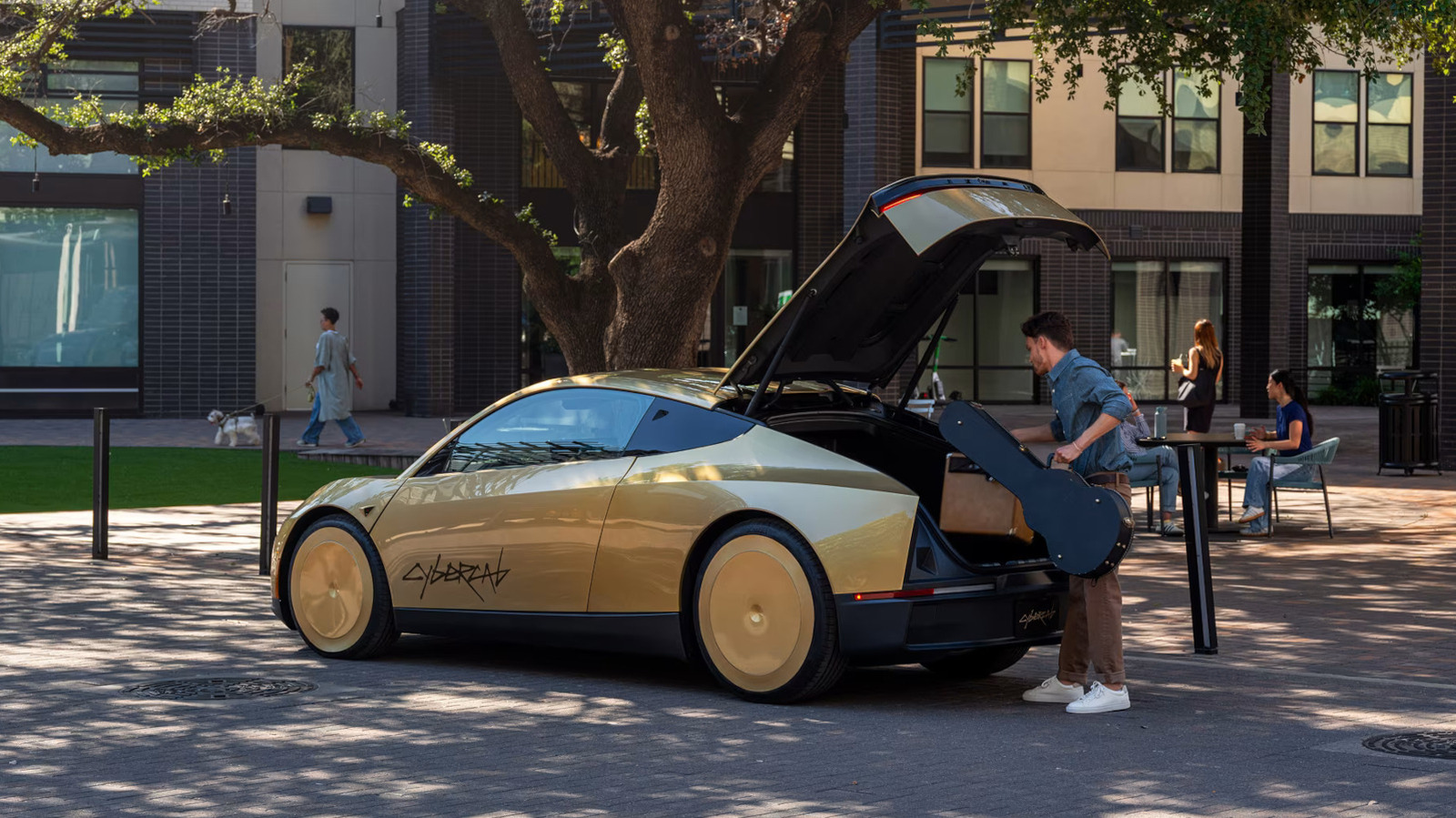
Tesla has begun offering rides in its purpose-built Cybercab robotaxi, nearly two years after the driverless vehicle was first unveiled. Customers can now hail rides via Tesla's Robotaxi app, though the Cybercab is currently only available as an option in Austin, Texas, with passengers unable to specifically request one and allocation depending on group size and availability. The launch marks a step forward for Tesla's autonomous ambitions, though the rollout remains limited in scale and scope for now.
The Cybercab has no steering wheel or brake pedals, relying entirely on autonomous operation, and features bench-style two-person seating with a central touchscreen and trunk space for luggage. Tesla is authorised to run 314 driverless vehicles in Texas, but only 45 of these are Cybercabs, with the rest being Model Ys, and it is unclear how many are actively working as taxis versus undergoing testing. The vehicles are currently owned solely by Tesla, though the company is taking inquiries from businesses interested in eventually purchasing fleets to build out its robotaxi network.
- Tesla launches Cybercab robotaxi rides, initially only in Austin
- Only 45 of 314 driverless Texas vehicles are Cybercabs
- Cybercabs have no steering wheel; not yet for public sale
Both sides, in good faith
The strongest fair case each way — we don't pick a winner.
The case for
Supporters see the Cybercab launch as a meaningful, responsible step in advancing autonomous transport, with Tesla building a vehicle from scratch around self-driving rather than retrofitting conventional cars, showing confidence that the underlying software has matured enough to dispense with manual controls altogether. They would argue that keeping the initial rollout small and geographically confined, with allocation dependent on availability, is precisely the cautious, data-driven approach that safety-critical technology deserves, allowing real-world performance to be assessed before any wider expansion. Longer term, they see promise in lower-cost, more accessible mobility and a genuine industrial opportunity for Tesla and future fleet partners.
The case against
Sceptics would counter that a vehicle with no steering wheel or pedals is a significant leap of faith given Tesla's history of ambitious self-driving timelines that have repeatedly slipped, and that removing any possibility of manual override raises the stakes if the system encounters a situation it cannot handle. They might point out that only 45 of the 314 permitted driverless vehicles in Texas are Cybercabs, with it unclear how many are genuinely operating as paid taxis versus still being tested, suggesting the launch is a limited, carefully staged milestone rather than proof of a mature, scalable service. From this view, presenting such a constrained trial as a breakthrough risks overstating readiness before the technology and regulatory framework have caught up.
Americas Art Celebrity Culture Cybersecurity Entertainment Technology World